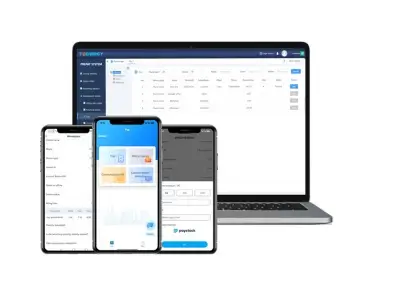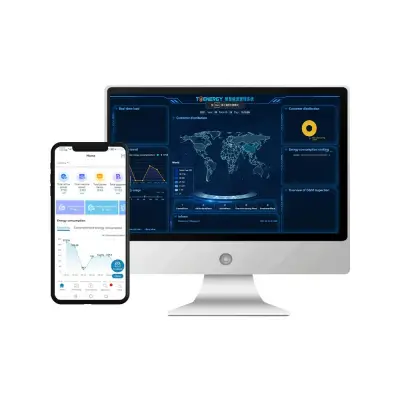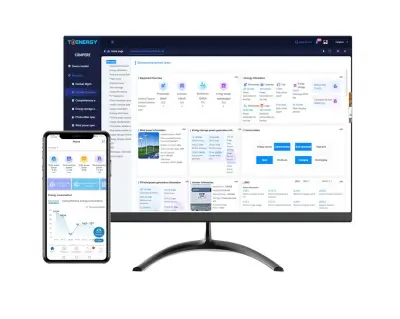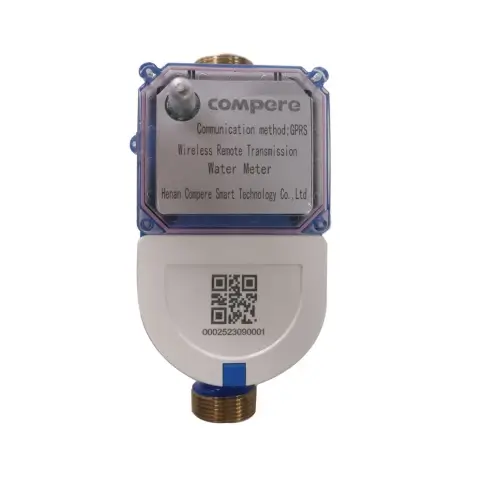
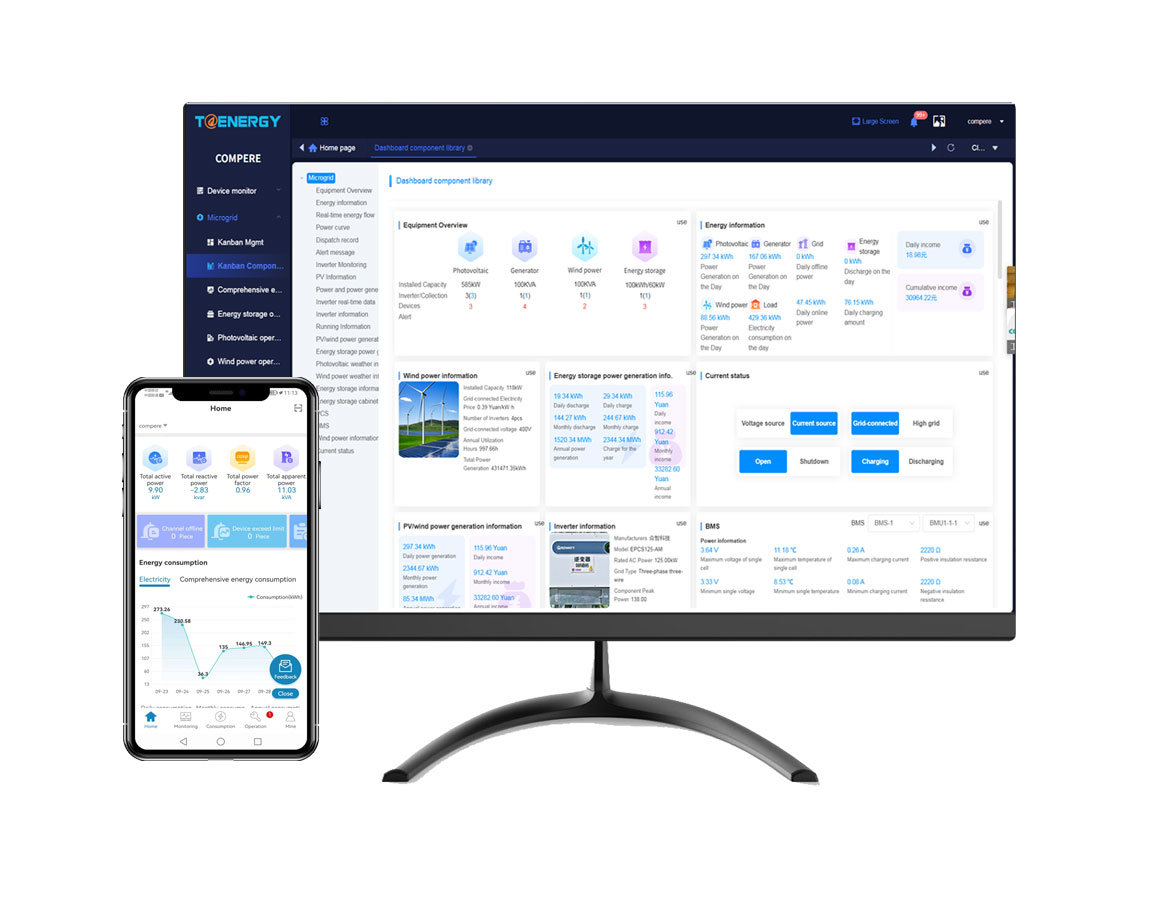
The design of the enterprise microgrid management system is mainly aimed at improving energy utilization efficiency, reducing costs and achieving green environmental protection goals by effectively managing energy production, storage and use within the enterprise.
Microgrid Management System Architecture
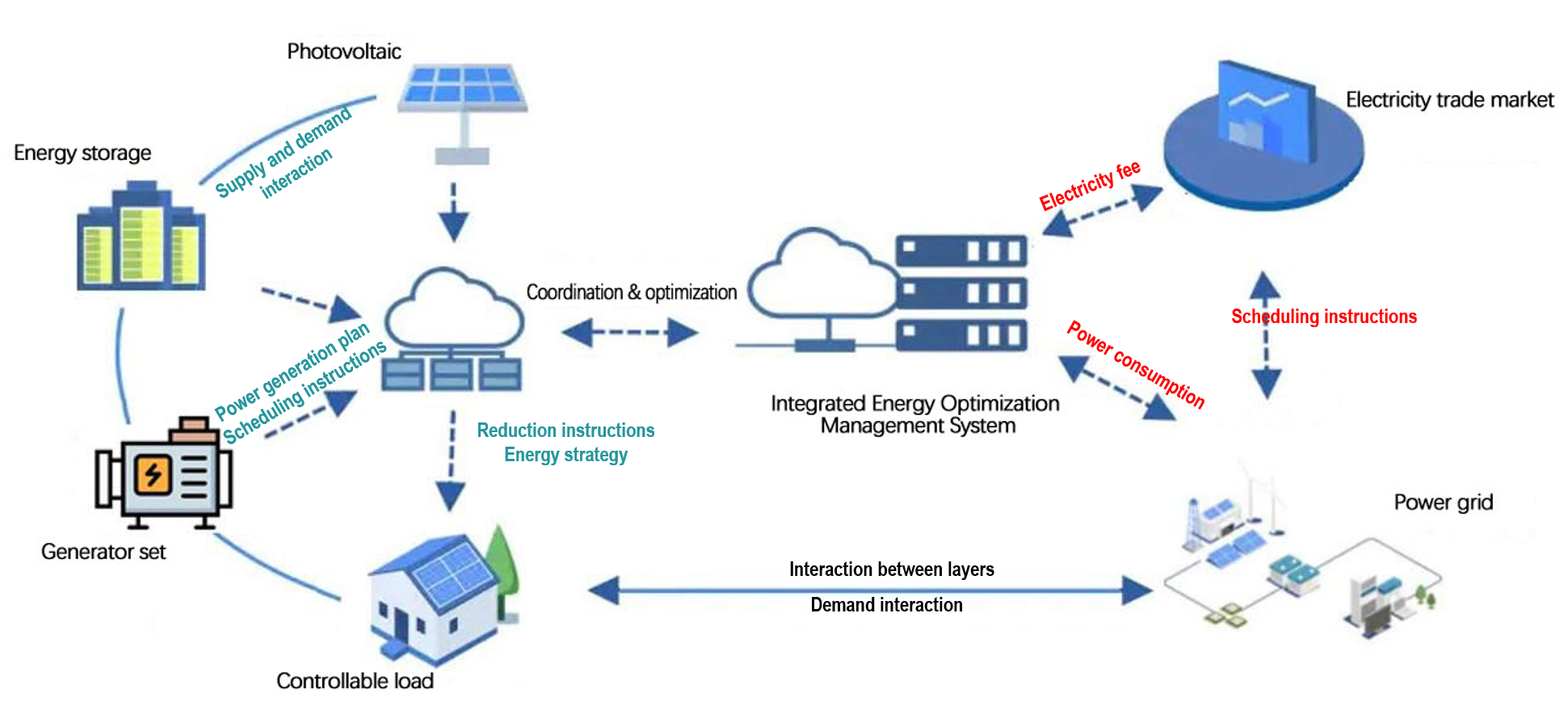
A microgrid system usually consists of the following parts:
Distributed energy: includes power generation units such as solar photovoltaic, wind power, and fuel cells.
Energy storage system: Energy storage devices such as lithium batteries and lead-acid batteries are used for energy scheduling and balancing.
Load management: electrical equipment such as industrial production equipment, lighting, air conditioning, etc.
Energy Management System (EMS): The core management platform monitors and dispatches various devices in the microgrid.
Grid interconnection: Connecting to the public grid to achieve two-way energy flow, purchasing electricity from the grid when necessary or sending excess electricity back to the grid.
Microgrid Management System Functions
1. Energy monitoring and management
Real-time monitoring: Real-time monitoring of distributed power generation systems (such as solar energy, wind energy, etc.) and energy storage systems within the enterprise to understand energy production and consumption.
Energy flow visualization: Displays the entire process of energy from power generation, storage to use, helping companies understand the electricity usage structure and optimize electricity usage.
2. Load management and optimization
Load forecasting: Use historical data and machine learning technology to predict electricity demand in different time periods in the future and arrange power generation and energy storage strategies appropriately.
Load balancing and peak-shaving : Through load management, the power load is distributed in different time periods to reduce peak power consumption and lower electricity costs.
3. Energy scheduling and optimization
Intelligent dispatching: Dynamically adjust the distribution of electricity based on data such as current load, energy storage level, and distributed generation to ensure efficient operation of the system.
Electricity price optimization: Combined with the grid’s time-of-use electricity price, electricity can be stored when the price is low, and energy storage electricity or self-generation can be used when the price is high to reduce the cost of purchasing electricity.
4. Energy storage management
Charge and discharge management: Intelligently manage the charging and discharging of the energy storage system according to changes in electricity prices or electricity demand to achieve power peak regulation and balanced power supply.
Energy storage health management: monitor the health status of the energy storage system, predict battery life and performance degradation, and optimize operation and maintenance plans.
5. Fault detection and early warning
Equipment health monitoring: Real-time monitoring of the operating status of equipment in the microgrid, detection of potential faults and early warnings to ensure stable operation of the system.
Automatic response mechanism: When a fault or power outage is detected, the system automatically switches to the backup power source or energy storage system to ensure power supply continuity.
6. Carbon emissions monitoring and management
Monitor and analyze a company’s energy use and carbon emissions to help it achieve its carbon emission targets.
Prioritize the use of renewable energy: The system prioritizes the use of renewable energy, reduces dependence on fossil fuels, and reduces carbon emissions.
7. Interaction with the public power grid
Bidirectional power flow: Microgrids can interact with the public power grid to achieve bidirectional power flow. Enterprises can sell excess power to the grid or purchase power from the grid when needed.
Island operation mode: When the power grid fails or the external power is interrupted, the microgrid can switch to independent operation mode to ensure the normal operation of the enterprise’s key equipment.
3. Microgrid Management System Value
Reduce operating costs
Electricity cost optimization: Through load management and energy storage technology, the company’s electricity bill expenditure during peak electricity price periods can be reduced.
Reduce electricity purchases: By utilizing distributed generation and energy storage systems, the reliance on purchasing electricity from the public grid is reduced, thus lowering energy costs.
Improve energy efficiency
Self-generated electricity consumption : By optimizing energy scheduling, self-generated electricity can be used as much as possible for the company’s own energy needs to reduce electricity waste.
Reduce energy waste: Reduce energy consumption fluctuations and improve energy efficiency through real-time monitoring and load forecasting.
Improve energy security and reliability
Emergency backup power supply: When the power grid is insufficient or fails, energy storage systems and microgrids can serve as emergency power supplies for enterprises to ensure the continued operation of critical equipment and systems.
Reduce power outages: Through intelligent scheduling and support from energy storage systems, companies can reduce the risks associated with unstable public grids or power outages.
Support green environmental protection goals
Reduce carbon emissions: By giving priority to the use of renewable energy (such as solar energy, wind energy, etc.), reduce the use of fossil energy and reduce the company’s carbon footprint.
Sustainable development: Helping enterprises achieve green energy goals in line with social responsibility and sustainable development strategies.
Enhance market competitiveness
Energy autonomy: Through microgrid technology, enterprises can manage their energy systems independently, without relying on the public power grid, and improve operational flexibility and independence.
Improvement of corporate image: The application of green energy and intelligent management systems can help enhance the company’s social responsibility image and attract more environmentally conscious partners and customers.
Flexibly respond to policy and market changes
Respond to changes in the electricity market: Through the two-way interactive function, enterprises can flexibly adjust their electricity consumption strategies according to electricity prices and market changes, participate in electricity market transactions, and increase profits.
Comply with carbon neutrality policies: Microgrid systems help companies meet government policy requirements on carbon emissions and green energy use.