Experts from the National Climate Center pointed out: “AI is reshaping the energy industry, promoting production optimization and industrial innovation, and becoming the core engine for achieving the ‘dual carbon’ goal.” As the climax of the new energy revolution in 2030 approaches, AI technology will play a more critical role in energy transformation.
The application of artificial intelligence (AI) in energy and carbon emissions (energy-carbon) management systems is becoming the core technical support for enterprises, cities and countries to achieve the “dual carbon” goals. Through data-driven intelligent decision-making, dynamic prediction and automated optimization, AI can significantly improve energy efficiency, reduce carbon emission intensity, and accelerate green and low-carbon transformation. The following is a detailed explanation from the core application scenarios, technical implementation and development direction:
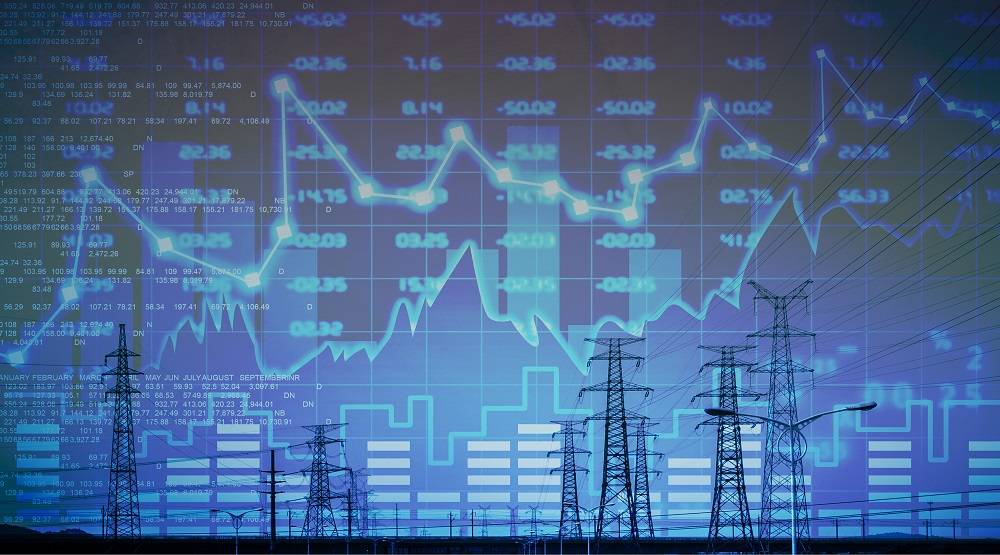
I. Overview of Intelligent Algorithm Technology
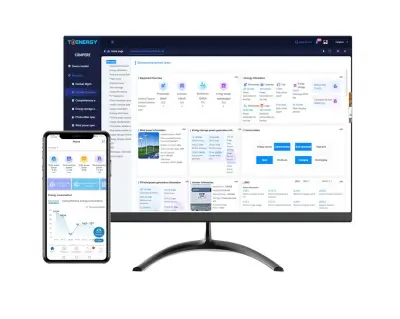
1. Intelligent monitoring and precise analysis of energy consumption Real-time perception and visual presentation: AI integrates the Internet of Things (IoT) sensor network to collect multi-dimensional energy consumption data such as electricity, gas, and water resources in real time, and intuitively presents energy consumption trends, equipment operating status, and abnormal nodes (such as pipeline leakage, equipment overload) through dynamic dashboards. In industrial scenarios, AI can deeply analyze the energy consumption patterns of production lines and identify unnecessary standby power consumption. Typical cases show that energy loss can be reduced by 10%-15%. Abnormal diagnosis and intelligent early warning: Based on machine learning algorithms such as isolation forests and LSTM time series models, AI can automatically identify energy consumption behaviors that deviate from the norm and quickly locate faulty equipment or human waste. For example, commercial buildings discovered abnormal operation of air-conditioning systems at night through AI monitoring, reducing ineffective power consumption by more than 100,000 yuan per year. 2. Intelligent management of the entire carbon emission process Automated carbon accounting and compliance reporting: AI integrates multi-source information such as energy bills, supply chain logistics, and production data to automatically complete scope 1, 2, and 3 carbon emission accounting, and generate carbon reports that comply with international standards such as the GHG Protocol, greatly reducing manual accounting costs and errors. Accurate prediction and path planning: Combining historical data with external variables (weather, production plans), AI predicts carbon emission trends through models such as Prophet and neural networks, providing a scientific basis for companies to formulate phased emission reduction targets and helping to implement long-term low-carbon strategies.
3. Full-scenario energy efficiency optimization and energy-saving control Dynamic optimization of industrial production: With the help of reinforcement learning (RL) and digital twin technology, AI simulates the entire production process and adjusts key parameters such as temperature and pressure in real time to reduce unit energy consumption while ensuring production capacity. Intelligent control of buildings and infrastructure: AI links heating, ventilation and air conditioning (HVAC) and lighting systems, and combines personnel perception technology to achieve dynamic energy saving, reducing energy consumption in commercial buildings by 15%-20%. Coordinated dispatch of renewable energy: Based on meteorological data, predict wind and solar power generation, AI optimizes the charging and discharging strategy of energy storage systems, increases the proportion of green electricity consumption, and promotes the transformation of energy structure to low-carbon. 4. Low-carbonization of supply chain and product life cycle Supply chain carbon footprint optimization: AI analyzes supplier carbon emission data, intelligently recommends low-carbon logistics routes and alternative materials, and helps core enterprises build green supply chains. For example, a certain automobile group optimized the parts transportation plan through AI, reducing supply chain carbon emissions by 8%. Acceleration of product life cycle assessment (LCA): Natural language processing (NLP) technology automatically extracts product material information, quickly completes LCA analysis, and accurately locates the emission reduction potential of production, transportation and other links. 5. Carbon trading and green finance Intelligent carbon market dynamic decision-making: AI integrates macroeconomic, policy and regulatory data, predicts carbon quota price fluctuations, assists enterprises in formulating carbon trading strategies, and reduces compliance costs. ESG and climate risk assessment: Based on the TCFD framework, AI quantifies corporate environmental risks and ESG performance, provides objective ratings for green financial institutions, and promotes capital to tilt toward low-carbon areas.
II. Technical Challenges and Future Directions
1. Core Challenges Data Foundation Constraints: It is necessary to break through the bottleneck of cross-system data fusion, relying on high-precision sensors and standardized data interfaces. Model credibility balance: It is necessary to find a balance between the complexity of deep learning models and regulatory transparency (such as the requirements of the EU AI Act). Real-time response needs: The combination of edge computing and lightweight AI models is the key to achieving real-time optimization of local equipment (such as photovoltaic inverters). 2. Future breakthrough directions Deep empowerment of large models: GPT-type large models can automatically generate carbon reports, parse policy texts, and improve management efficiency; Quantum computing fusion: Accelerate the optimization solution of complex energy systems and break through the limitations of traditional algorithms in large-scale energy and carbon scheduling; Policy dynamic adaptation: AI models can respond to policy adjustments such as carbon taxes and green electricity subsidies in real time to enhance system flexibility. AI is driving energy and carbon management from “passive recording” to “active optimization” and becoming the “intelligent center” of carbon neutrality goals. With the iteration of technology, its value in precise emission reduction and green transformation will continue to be released, providing core power for global low-carbon development.