What is a DIN-rail energy meter?
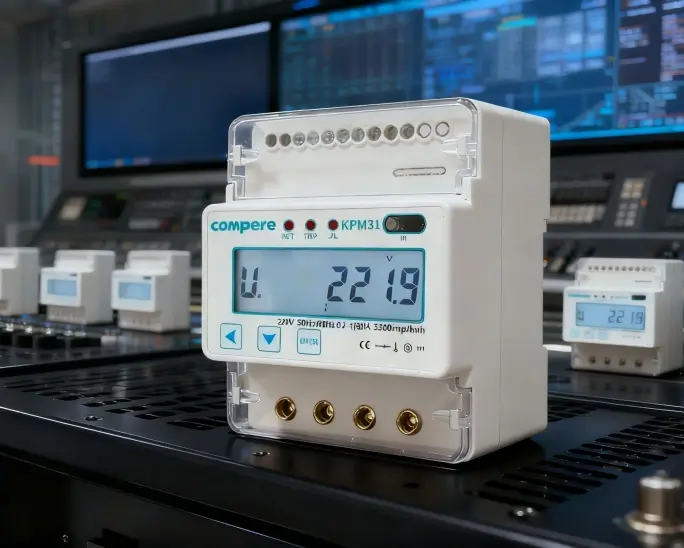
A DIN-rail energy meter is an energy meter that uses a standard DIN rail for mounting. It inherits the metering functions of traditional energy meters while offering the advantages of easy installation, space savings, and a rich functionality. This design allows the meter to be mounted directly on the standard DIN rail of the distribution box, similar to electrical components such as circuit breakers and contactors, greatly simplifying installation and maintenance.
Key Advantages of DIN Rail 4G Energy Meters
1. Easy Installation
- Adopts standard 35mm DIN rail mounting.
- No additional drilling or special fixings are required.
- Installation time is reduced by 70% compared to traditional wall-mounted energy meters.
2. Space Saving
- Compact design, only one-third the size of traditional energy meters.
- Can be densely installed in high-density distribution boxes.
- Especially suitable for space-constrained applications.
3. High Functional Integration
- Supports bidirectional energy metering (generation and consumption).
- Measures multiple parameters: voltage, current, power, power factor, etc.
- Multiple communication interfaces: RS485, Modbus, wireless communication, etc.
- Advanced features include demand statistics, time-of-use tariffs, and data logging.
4. Easy Maintenance
- Modular design supports hot-swappable replacement
- Maintenance operations can be performed without powering off
- Standardized interfaces make replacement quick and easy
- Typical Application Scenarios and Case Studies
Commercial Building Electricity Sub-metering
Project Background:
A large shopping mall needed independent electricity metering for over 200 businesses. Traditional solutions required installing separate meter boxes for each business, which was labor-intensive and space-consuming.
Solution:
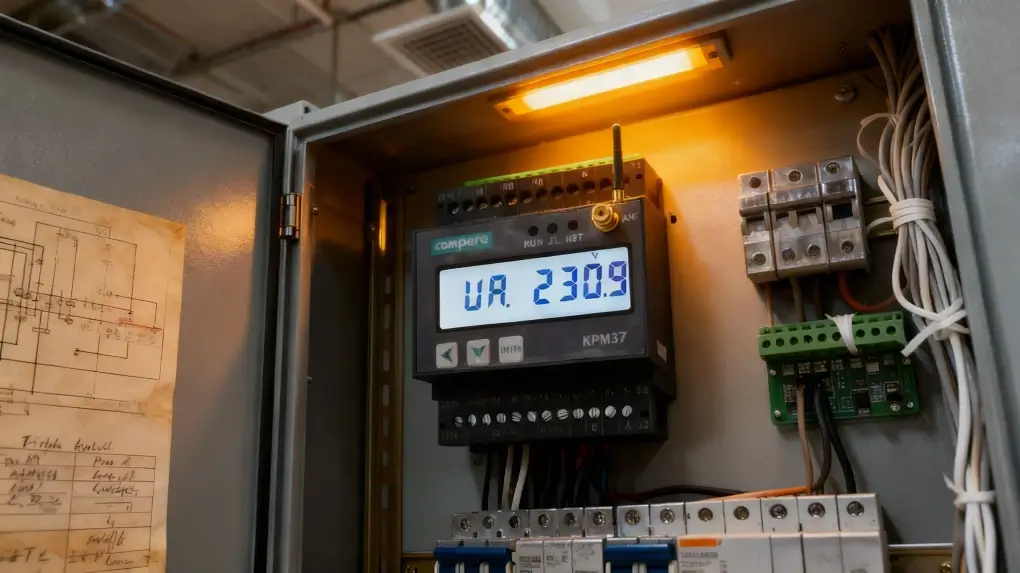
A centralized installation solution for DIN-rail energy meters was adopted. Multiple DIN-rail energy meters were installed in the existing distribution cabinet, with each meter corresponding to a specific business.
Implementation Results:
- Reduced installation space by up to 60%
- Reduced project implementation time by 50%
- Achieved remote automatic meter reading, reducing labor costs
- Reduced monthly electricity bill disputes by 90%
How to Select the Right Rail-Mounted Energy Meter
1. Determine Basic Parameter Requirements
- Voltage: 220V, 380V, 690V, etc.
- Current: Direct connection or transformer connection
- Accuracy: 0.5, 1.0, 2.0
2. Functional Requirements Analysis
- Is bidirectional metering required?
- Communication interface requirements (RS485, Modbus-RTU, wireless, etc.)
- Demand statistics, time-of-use tariffs, and other functions required?
- Data storage and alarm requirements
3. Environmental Considerations
- Operating Temperature Range
- Ingress Protection (IP Rating)
- Electromagnetic Interference Resistance
Installation and Usage Precautions
- Pre-installation Inspection: Confirm that the voltage and current levels match.
- Wiring Specifications: Strictly follow the instructions in the manual to ensure safe and reliable wiring.
- Communication Configuration: Correctly set communication parameters and device addresses.
- Protection Measures: Install appropriate lightning protection devices in areas prone to lightning strikes.
- Periodic Calibration: Perform accuracy calibration according to national regulations.
Future Development Trends
- IoT Integration: Deeply integrate into IoT systems to enable cloud-based data management.
- AI Analysis: Intelligent analysis and prediction based on electricity usage data.
- Edge Computing: Data pre-processing and analysis at the meter.
- Blockchain Technology: Support distributed energy trading and settlement.
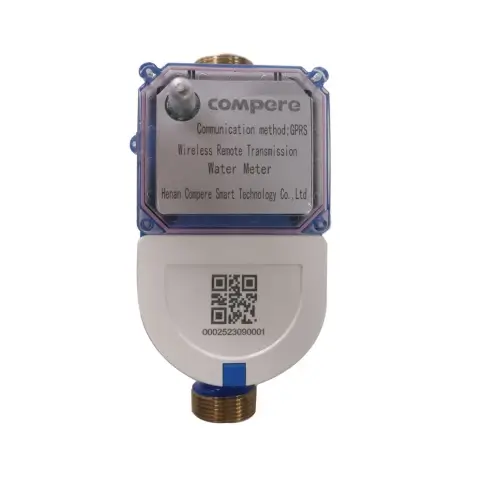
- Multi-Energy Metering: Expanding to include water, gas, heat, and other energy metering functions.
Rail-type electricity meters, with their advantages of easy installation, rich functionality, and space-saving design, are becoming an essential component of modern energy management systems. Whether in commercial buildings, industrial enterprises, or the new energy sector, rail-type electricity meters demonstrate strong adaptability and practical value. With the continuous advancement of technology and the growth of market demand, rail-type electricity meters will play a more important role in energy efficiency management and smart grid construction.