The textile industry is a highly energy-intensive industry. The production process involves multiple stages, including spinning, weaving, dyeing and finishing, and finishing. This involves a wide variety of equipment and a wide range of energy consumption. With rising energy prices and the implementation of energy conservation and emission reduction policies, improving energy efficiency, reducing production costs, and achieving green and sustainable development have become core concerns for textile companies. The introduction of energy management systems provides an effective way for the textile industry to achieve refined energy management.
Why Is An Energy Management System So Urgently Needed In The Textile Industry?
Textile production involves long process flows, numerous equipment, and complex energy consumption. Its energy consumption is primarily characterized by the following:
Diverse energy consumption: Electricity, natural gas, steam, and coal are the primary energy sources, with electricity and heat being the two core energy sources.
Energy-intensive equipment: Air conditioning/heating systems, air compressors, water pumps, fans, and various textile machinery (such as spinning machines, looms, and dyeing and finishing equipment) are major energy consumers. In particular, the air conditioning system, which maintains constant temperature and humidity in the workshop, accounts for a significant portion of energy consumption.
Energy Data Black Hole: Under traditional management models, companies rely solely on monthly electricity and gas bills to understand energy usage, lacking visibility into where, when, and whether energy is used efficiently. This leads to extensive management and significant waste through leakage.
The introduction of an EMS aims to transform energy from an invisible and intangible cost item into a measurable, analyzable, and optimizable production factor.
Application of Energy Management Systems in the Textile Industry
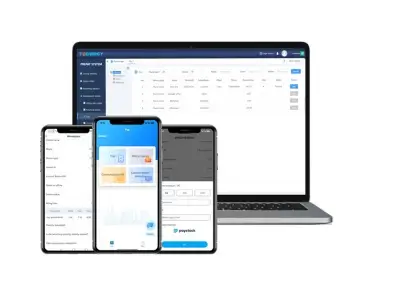
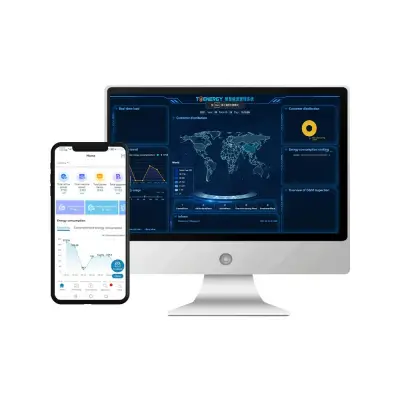
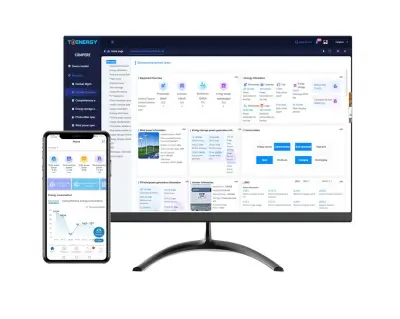
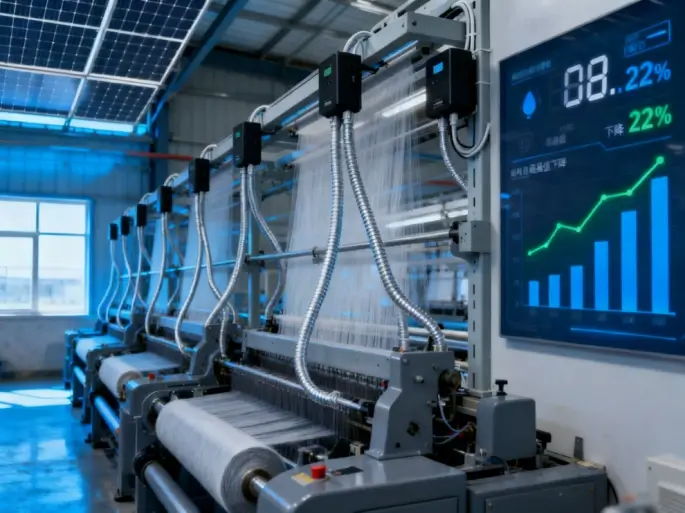
A mature EMS, through the installation of intelligent sensors and data collectors, comprehensively collects and monitors all energy sources within an enterprise, including electricity, water, gas, and heat, and enables refined management based on data analysis.
1. Real-Time Energy Consumption Monitoring and Data Collection
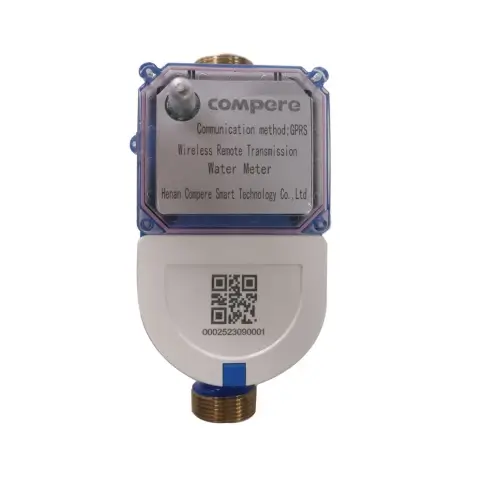
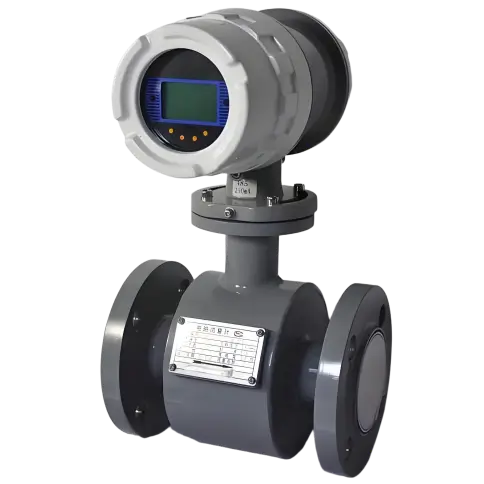
By installing intelligent meters and sensors, energy consumption data for key equipment and production lines is collected in real time, enabling automated collection and centralized management of multi-dimensional energy consumption data, including electricity, water, and steam, providing foundational data for subsequent analysis.
2. Energy Consumption Analysis and Performance Evaluation
The system compares and analyzes energy consumption across different processes, work teams, or equipment, generating energy efficiency evaluation reports to help managers identify high-energy-consuming areas and energy-saving potential, supporting performance appraisals and management decisions.
3. Energy Scheduling and Optimization Control
The energy management system automatically adjusts energy supply strategies based on production plans and load forecasts, enabling intelligent scheduling and coordinated control of equipment such as boilers, air compressors, and cooling water systems to avoid energy waste.

4. Abnormal Alarms and Energy Consumption Early Warnings
When the system detects abnormal energy consumption or equipment operating parameters exceeding standards, it automatically generates alarms and push notifications, helping operations and maintenance personnel promptly troubleshoot the problem and minimize downtime.
5. Energy Cost Accounting and Allocation Management
The system calculates energy costs by production department, product type, or production batch, supporting cost accounting and energy allocation, providing companies with accurate energy-financial analysis.
6. Energy Savings Strategy and Decision Support
Based on historical data and energy efficiency models, the system provides management with energy-saving improvement recommendations, such as equipment replacement, process optimization, and energy usage plan adjustments, enabling informed decision-making and continuous improvement.
For textile companies, energy is no longer just a cost; it’s a strategic resource crucial to their future survival and development. Deploying an energy management system is no longer an optional extra; it’s a necessity for meeting the challenges of the new era and forging core competitiveness. Driven by data, it illuminates blind spots in energy use for companies, paving a clear path toward refined operations, green manufacturing, and high-quality development. Embracing digital energy management means embracing the future of the textile industry.