Selecting the right prepaid electricity meter is critical for automating commercial billing, eliminating delinquency risks, and ensuring positive cash flow in large-scale property management. For system integrators and energy managers, deployment success depends entirely on communication stability, measurement accuracy, and seamless software integration.
This 2026 technical guide bypasses basic consumer concepts to focus directly on industrial-grade prepaid metering solutions, robust communication protocols (LoRaWAN, 4G, WiFi, Modbus-RTU), and hardware specifications designed for harsh industrial and commercial environments.
 1. Key Technical Specifications of Industrial Prepaid Electricity Meters
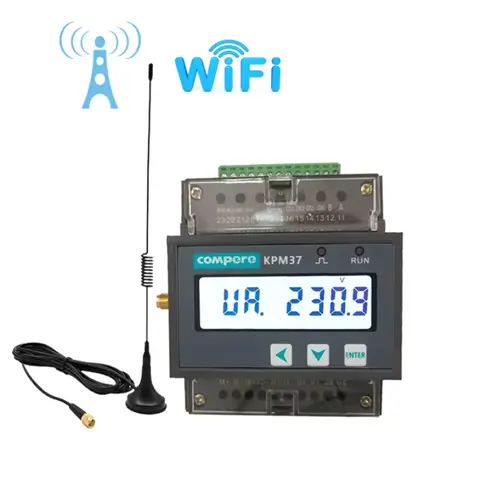
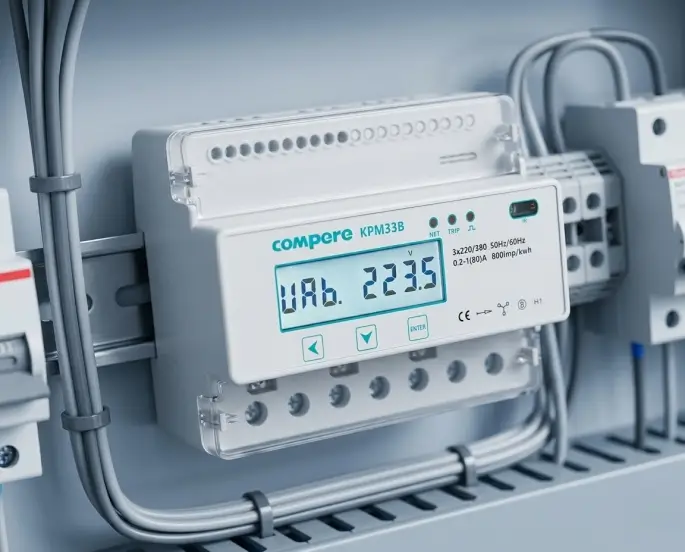
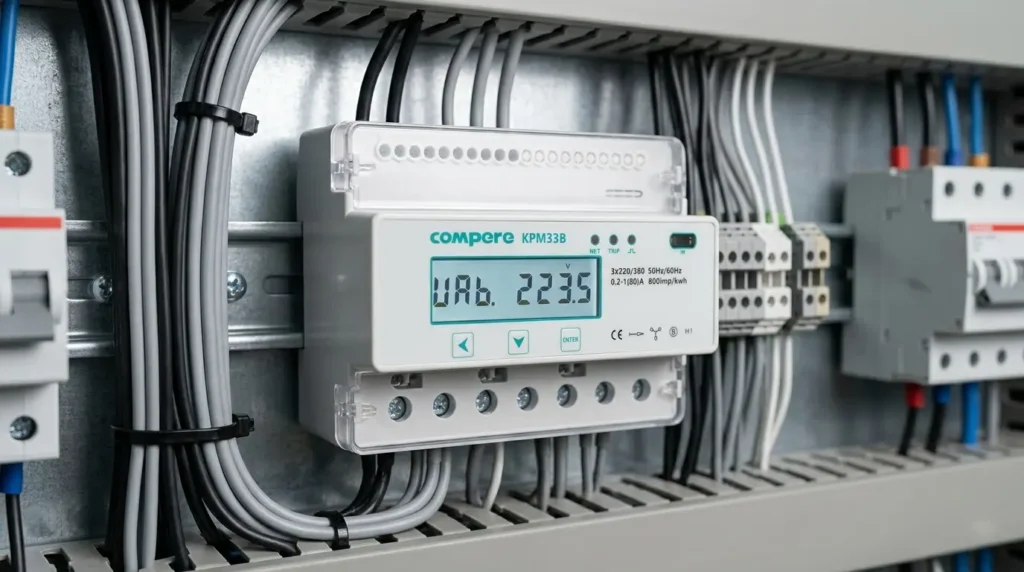
When engineering an energy management platform, hardware compatibility is non-negotiable. Below are the core technical parameters of the KPM33B Three-Phase Prepaid Electricity Meter, the industry standard for multi-tenant commercial complexes and industrial parks:
| Compere Smart Prepaid Meter – Technical Specifications | |
|---|---|
| Mounting Type | Standard 35mm DIN Rail (Industrial Grey Housing) |
| Communication | LoRaWAN, 4G, WiFi, RS485 (Modbus-RTU) |
| Accuracy Class | Active Energy Class 0.5s / 1.0 (IEC Standard) |
| Integration | Open API / MQTT Protocol for 3rd-party Platform |
| Key Features | Remote Reading & Control, Offline data storage function, Bidirectional Energy Monitoring |
Featured Solution: KPM33B Smart Prepaid Electricity Meter
The KPM33B series is engineered specifically to tackle the challenges of high-density commercial power distribution. Key operational capabilities include:
- Multiple Communication Methods: Optional RS485, WIFI, 4G, LORAWAN communication.
- Data Storage: Built-in clock and maintenance-free battery, permanently data saving after power off.
- Dual-Mode Flexibility: Seamlessly switch between prepaid and postpaid modes via software commands without swapping physical hardware.
- Multi-Tariff (TOU) Billing: Multi-rate energy statistics, up to 14 time slots per day, 5tariffs,to optimize peak-load energy management.
- Built-In Relays: Large-capacity magnetic retention relay, load on-off control.Standardly equipped with 1 RS485 communication interfaceand Modbus-RTU protocol.Supports direct remote disconnection and reconnection for automated revenue protection.
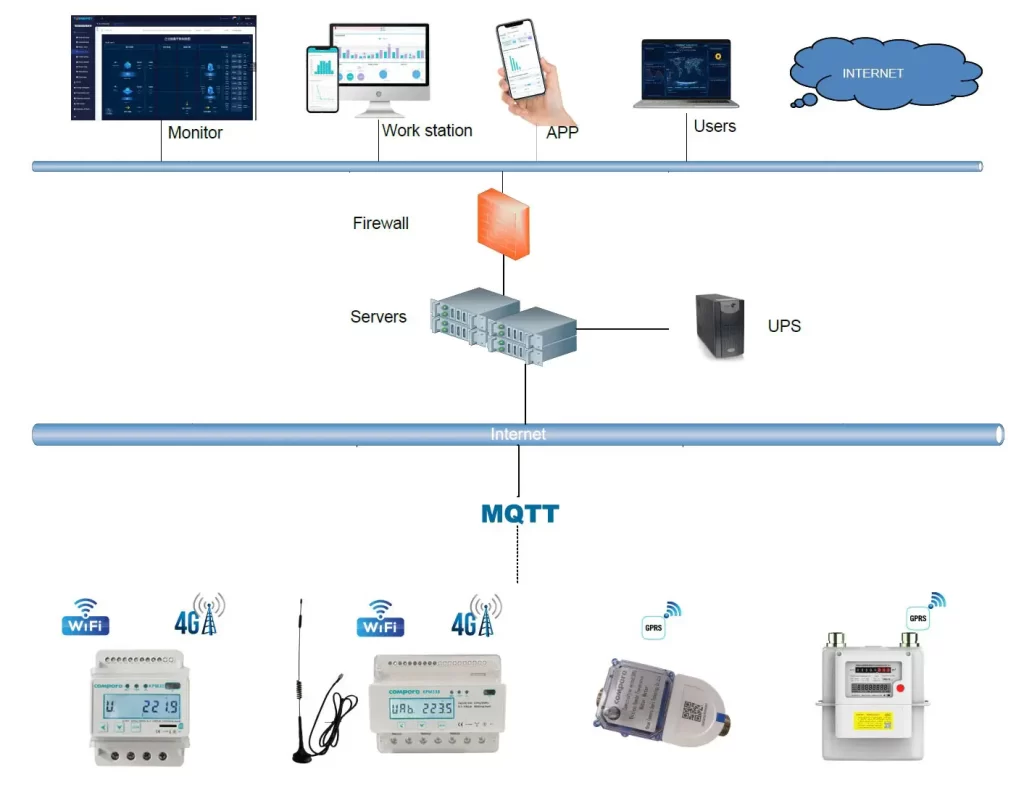
 2. Prepaid Electricity Meter Working Principle & System Architecture
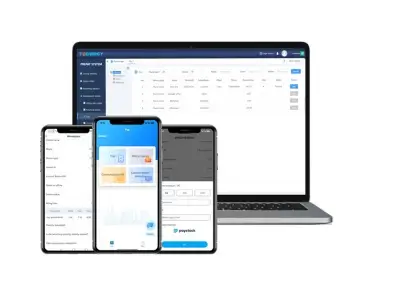
The modern prepaid electricity meteris more than just a metering device; it is a fully integrated smart energy system that combines metering, control, and payment functions. While based on the core “pay now, use later” model, its true value lies in its ability to manage billing automatically. Users top up via mobile apps or cloud platforms, and the system deducts electricity in real time during usage, ensuring transparent billing and automated management.
In rural settings, prepaid electricity meters can help enhance energy accessibility. By allowing users to pay for only what they consume, these systems can encourage electricity usage in areas where traditional billing systems may not be feasible.
Of course, prepaid electricity meters do not exist in isolation; they must work in conjunction with a complete prepaid system to realize their full value.
Prepaid System Detailed Workflow Breakdown
Recharge and Balance Management
1. User Purchase: Users purchase electricity/gas/water usage via online app, service hall, or self-service terminal.
2. Data Generation: Remote Mode: The backend system directly sends the purchased amount and user identification information to the data concentrator or main station.
3. Smart Meter/Water/Gas Meter Reception:
Remote: The smart meter receives the remote command via its communication module. After verification, it writes the purchased amount into the meter and updates the available balance.
Usage, Metering, and Deduction
- 1. Start of Use: Users begin consuming electricity, gas, or tap water.
- 2. Meter Metering: The metering chip inside the smart meter (such as an electricity metering chip or flow sensor) monitors the consumption in real time or periodically.
- 3. Balance Deduction: The meter’s microcontroller deducts the corresponding amount from the stored “available balance (electricity/gas/water)” based on the actual consumption, either in real time or near real time.
Low Balance Alert and Power Outage Control
1. Threshold Setting: The energy company presets multiple alarm thresholds in the system (e.g., Level 1 alarm, Level 2 alarm).
2. Low Balance Alert: When the balance falls below the alarm amount (e.g., 30 yuan), the system or meter will issue an alert (screen flashing, SMS notification).
3. Power Outage Execution: When the balance is depleted or falls below the power outage threshold, the meter’s main control chip immediately drives the built-in control mechanism:
Electric Meter: Drives the relay to disconnect the power supply line.
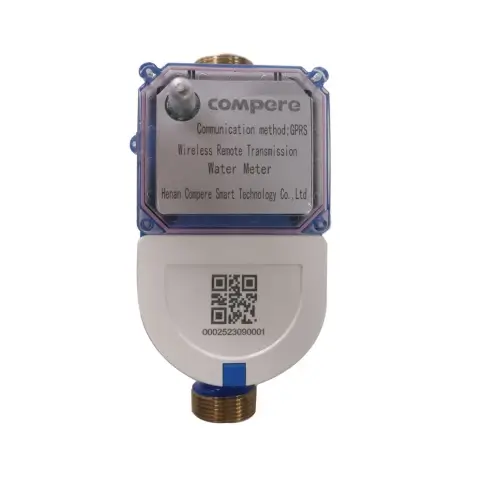
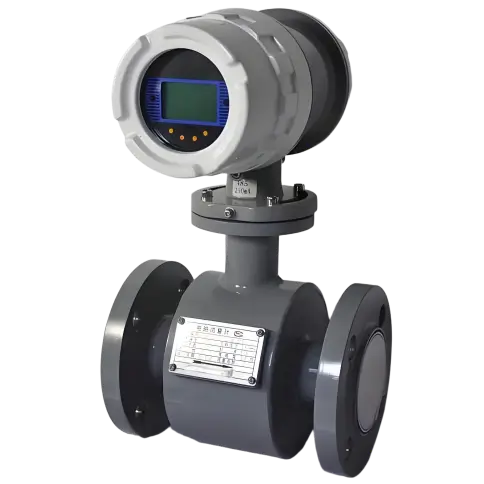
Water/Gas Meter: Drives the solenoid valve/electric valve to close the medium passage.
Resumption of Operation/Power Supply: After successful user top-up, the meter’s available balance is restored, and the main control chip automatically drives the relay or valve back to the open state, restoring power supply.
To learn more about prepaid electricity meters, please visit our product listing page.
Companies like Compere are leading the charge in developing these technologies, ensuring that users have access to the most efficient and user-friendly prepaid electricity meters available. With an emphasis on innovation, they are setting new standards in energy management.
As technology continues to advance, the future of prepaid electricity meters looks promising. With the rise of renewable energy sources, like solar panels, users can combine their prepayment plans with their generation capabilities, creating a more sustainable living environment while managing their energy consumption effectively.
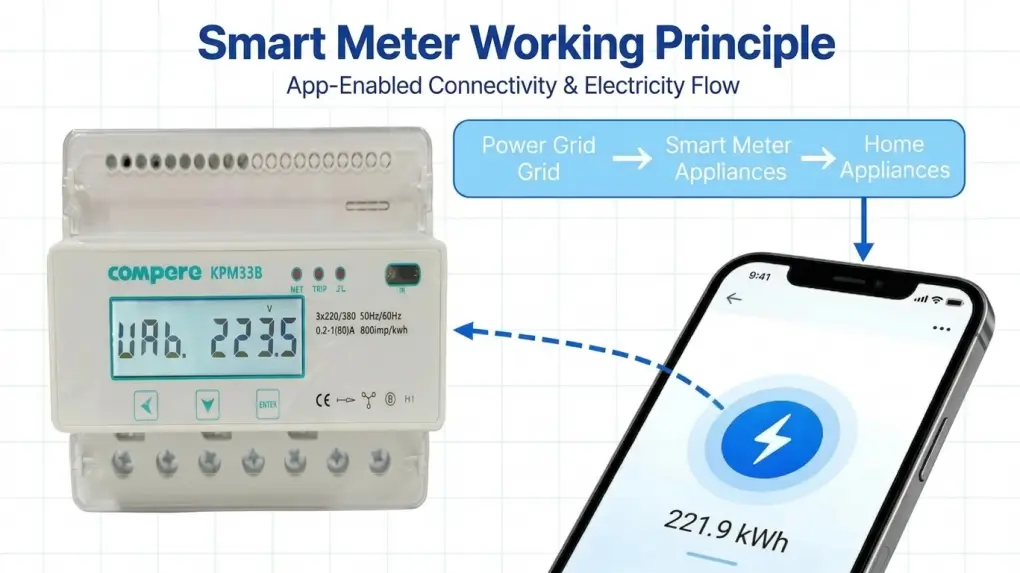
Recharge Phase: Users top up their electricity usage information through various channels (WeChat, apps, etc.);
Metering Phase: The meter records electricity usage data in real time and automatically deducts the corresponding amount of electricity;
Alert Phase: When the prepaid system detects insufficient balance, it automatically issues an audible or on-screen notification;
Control Phase: When the balance is depleted, the meter automatically shuts off and automatically restores power after recharging.
This entire process enables unattended, fully automated electricity management.
🌐3. Core Functions and Technical Highlights
Multi-Mode Prepayment System: Supports local top-up, and remote top-up, flexibly adapting to different user scenarios.
Multi-Communication Integration: Built-in RS485, LoRa, NB-IoT, and 4G communication modules enable remote meter reading and control.
High-Precision Metering: Utilizes internationally advanced metering chips, compliant with the GB/T 17215 series standard, achieving accuracy up to 0.5s.
Data Security and Encryption: Fully encrypted communication prevents data tampering and malicious operations.
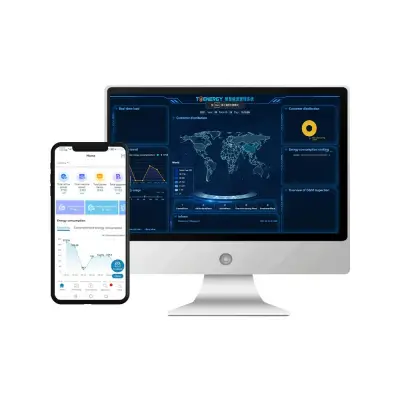
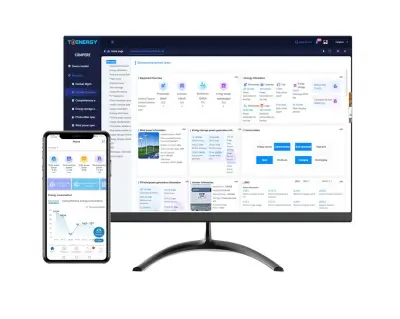
Cloud Management Platform: Seamlessly integrates with the Compere cloud energy management system, supporting data analysis, top-up statistics, and energy consumption trend visualization.
🔋4. Application Areas Of Prepaid Electricity Meter(Strategic Solutions For System Integrators)
Compere prepaid electricity meters are engineered to solve the most complex billing and management challenges in these key sectors:
Smart Homes & Apartment Buildings
Pain Point Solved: Eliminates the administrative burden of manual collection. Our system automates the “Payment-to-Power” cycle, ensuring no tenant can consume energy without prior credit.
School Dormitories & Staff Quarters
Pain Point Solved: Prevents electrical fires and overload. System integrators can set maximum power limits remotely to ensure safety and fair usage in shared living environments.Industrial parks and corporate electricity management.
Commercial Complexes & Retail Rentals
Pain Point Solved: Resolves tenant billing disputes and late payments. Our Multi-Tariff (TOU) billing allows property managers to pass on peak/off-peak costs accurately and transparently.
Industrial Parks & Corporate Energy Management
Pain Point Solved: Simplifies large-scale deployment. With LoRaWAN and 4G connectivity, you can manage thousands of meters across a vast industrial zone without expensive communication wiring.
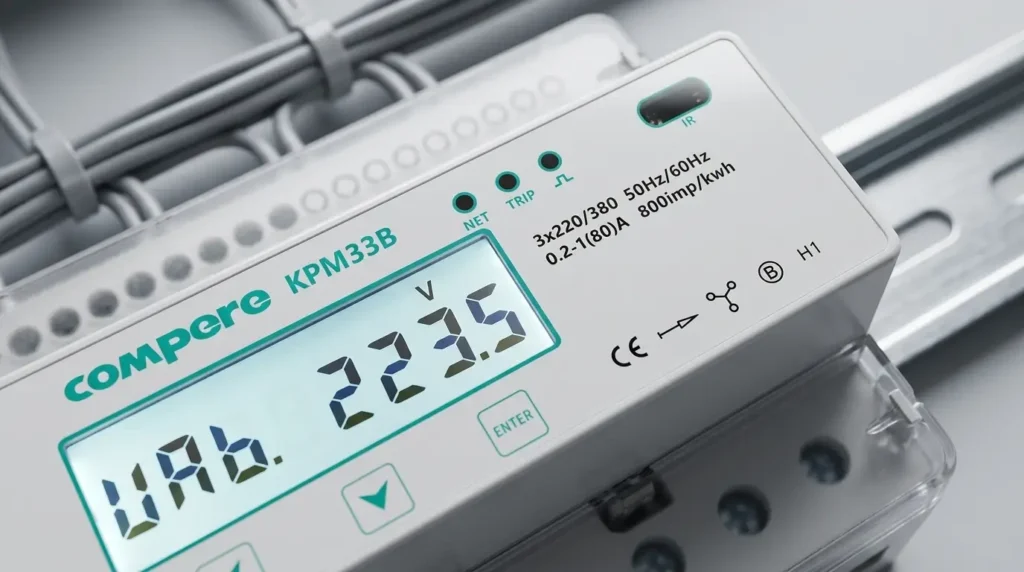
⚡5. Compere Smart Energy Concept
Compere continues to focus on the innovative integration of electricity metering technology, IoT communications, and energy management systems. In the future, we will further promote the application of prepaid electricity meters in smart cities, the Industrial Internet, and new energy sectors, helping customers achieve safer, more efficient, and lower-carbon electricity management.
❓ FAQ For Prepaid Electricity Meters
Does The Meter Support Automatic Reconnection After Top-Up?
Yes. When the balance reaches the preset threshold (Low Balance Alarm), the system sends an alert. If it hits zero, the built-in high-reliability relay will trip. Once a top-up is confirmed via our cloud platform or app, the meter receives a remote command to restore power automatically within seconds, requiring no manual onsite intervention.
Can I Integrate Compere Prepaid Meters Into My Own Third-Party Software Platform?
Yes. Our prepaid meters support standard Modbus-RTU or MQTT protocols and come with complete technical documentation and support to facilitate secondary development by system integrators.
Do You Provide OEM/ODM Services For Large-scale Projects?
Yes. Compere provides customized services for large-scale clients such as system integrators.
How Do Prepaid Meters Handle Different Electricity Tariffs For Commercial Tenants?
It emphasizes support for TOU (Time-of-Use) multi-rate settings, allowing managers to set electricity prices based on different time periods such as peak, valley, and flat periods, thus achieving precise commercial operation.
Can Prepaid Meters Be Recharged And Managed Remotely?
Yes. Our meters support LoRaWAN and 4G for remote management. We also provide open communication protocols for system integrators to ensure seamless connection with your own software. [Request the Communication Protocol here].
Can I Integrate These Meters Into My Own Billing Software?
Absolutely. We provide complete communication protocols (Modbus-RTU, MQTT, etc.) and technical support to help system integrators seamlessly integrate our hardware into their existing energy management platforms.
💡 Still Have Questions?
For a detailed visual guide on how our system handles billing, see the flow chart above.
If you need a customized solution for your industrial park or shopping mall, Request a Technical Datasheet from our technical team.