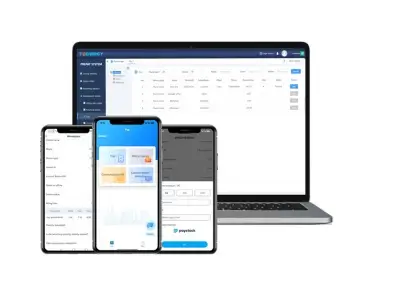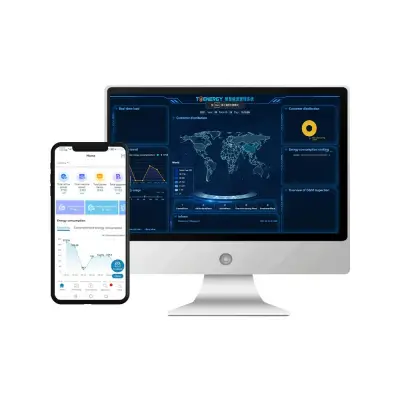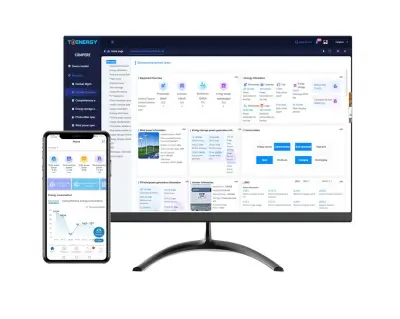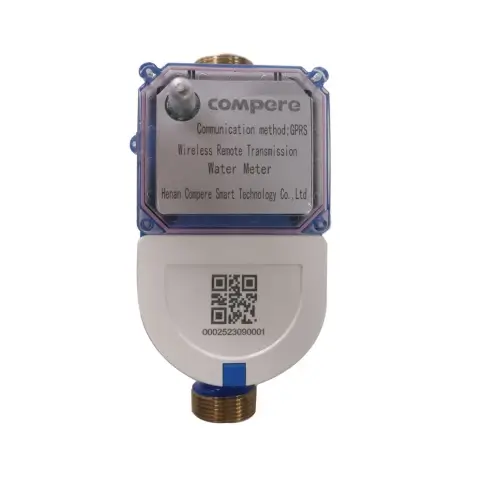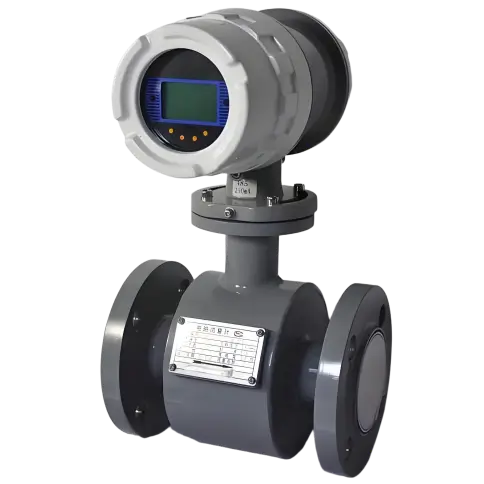

With the rapid development of artificial intelligence (AI) technology, intelligentization and digitalization are becoming key transformational directions for the energy industry. As the foundation of smart grids, smart meters not only measure electricity and collect information, but also serve as a crucial gateway to energy data. The combination of AI and smart energy meters is redefining traditional electricity management models, ushering in a new era of greater efficiency and intelligence for the energy system.
The Value of AI in Smart Energy Meters
Smart 4G energy meters collect real-time information on user voltage, current, power, and electricity usage. However, this data can only be transformed into valuable decision-making insights after effective analysis. The introduction of AI has transformed smart meters from “data collection terminals” into “intelligent analysis nodes.”
AI primarily plays a role in the following areas:
Data Analysis and Forecasting
By training machine learning algorithms on historical electricity consumption data, AI can predict load trends over time, providing power companies with a sound basis for grid scheduling. For example, deep learning-based models can accurately predict peak and valley loads, enabling more efficient energy allocation.
Anomaly Detection and Security Monitoring
AI can identify abnormal electricity usage in real time, such as power theft, equipment failure, or meter malfunction. Using algorithms, the system automatically detects abnormal data and triggers alerts, improving the safety and reliability of power grid operations.
User Profiling and Energy Efficiency Optimization
By leveraging AI to analyze user behavior, power companies can develop accurate user profiles, formulate differentiated service strategies, and implement dynamic electricity pricing mechanisms. AI can also provide users with personalized energy-saving recommendations, helping to reduce energy consumption and emissions.
Mechanisms for the Integration of AI and Smart Energy Meters
The integration of AI and smart power meters is typically achieved through an intelligent closed loop of “perception-analysis-decision-feedback.”
Perception Layer: Smart power meters collect data in real time.
Transmission Layer: Data is transmitted to the cloud via IoT technologies (such as NB-IoT and 5G).
Analysis Layer: AI algorithms model and compute data, outputting predictions and optimization results.
Decision and Feedback Layer: Analysis results are fed back to users or the power system, enabling automated scheduling and optimized control.
This system not only enhances the intelligence of the power system but also provides a solid foundation for distributed energy management and smart city development.
Smart energy meters serve as the “eyes” and “ears” of the power grid, while AI serves as the “brain” that interprets what it sees and hears. The deep integration of these two technologies is transforming the power system from a traditional energy distribution network into an intelligent organism with the capabilities of perception, learning, decision-making, and optimization. This not only impacts energy efficiency but also how each of us can use energy more intelligently and greener, moving towards a sustainable future.