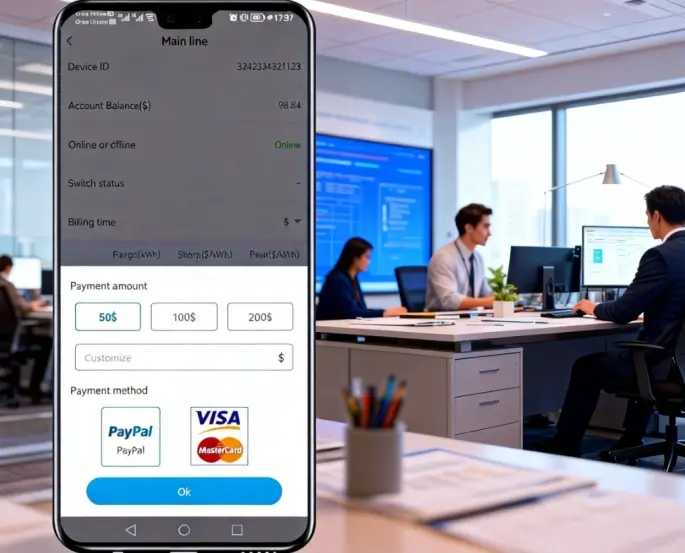
In today’s rapidly evolving digital operations and smart management landscape, more and more businesses are adopting prepaid systems to optimize fund management and customer service. However, the market offers a wide variety of prepaid systems with significant functional differences. Choosing a secure, stable system that meets the company’s needs has become a crucial issue for many managers. This article will provide a professional perspective, analyzing several key factors businesses should focus on when selecting a prepaid system.
1. System Security – The Core Guarantee of Funds and Data
Security is the primary consideration for prepaid systems. Because the system involves sensitive processes such as user top-ups, balance deductions, transaction records, and financial reconciliation, any security vulnerability can lead to significant losses. When assessing system security, businesses should focus on the following:
Fund Security Mechanism: Does it support bank-level encryption and third-party payment interfaces (such as Alipay, WeChat Pay, UnionPay, etc.)?
Access Control: Does the system have multi-level permission settings and operation log tracking?
Data Backup and Recovery: Does it have an automatic backup mechanism and can system data be quickly restored?
Security Certification: Has the system passed ISO27001, information security standard certifications such as the Information Security Compliance Assessment?
Recommendation: Prioritize prepaid management systems with independent accounting modules and fund separation functions to effectively prevent accounting chaos and risk concentration.
2. System Stability and Scalability – The Foundation of Continuous Operation
Prepaid systems are high-frequency usage systems; downtime or delays will directly impact customer experience. Therefore, system stability and scalability are key considerations for enterprises during procurement.
Focus on the following indicators:
System Architecture: Does it adopt a distributed architecture or cloud deployment to support high concurrency access?
Performance: Is the average response time and data synchronization speed stable?
Scalability: Does it support access to more users, terminals, or new business scenarios?
Updates and Maintenance: Does the vendor provide regular version upgrades and technical support?
Recommendation: Choosing a service provider with successful industry case studies and mature technical capabilities can significantly reduce later maintenance costs.
3. Data Analysis and Visualization Capabilities – Improving Decision-Making Efficiency
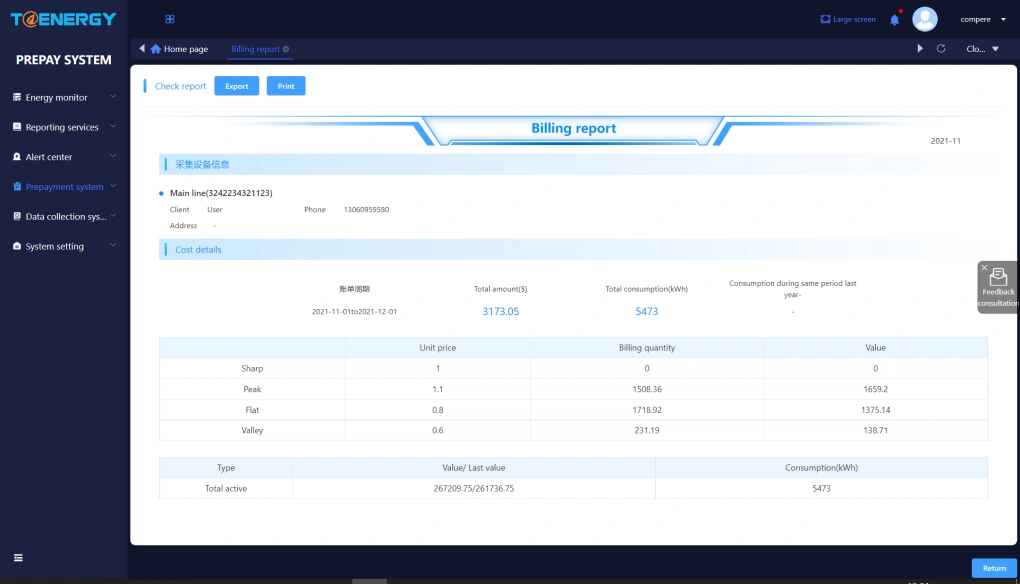
An excellent prepaid system is not only a tool for “recharge and deduction,” but also an engine for enterprise data insights. The system should possess comprehensive data analysis and visualization capabilities to help management accurately grasp business dynamics.
Key functions include:
Real-time monitoring of recharge volume, consumption volume, and balance trends;
Analyzing customer consumption behavior and usage habits;
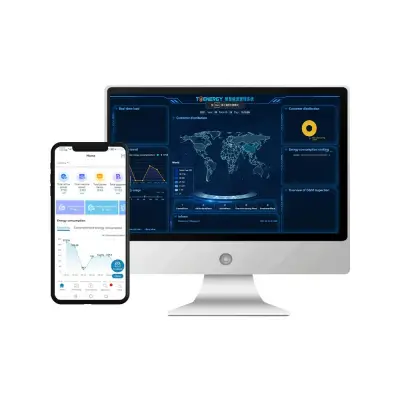
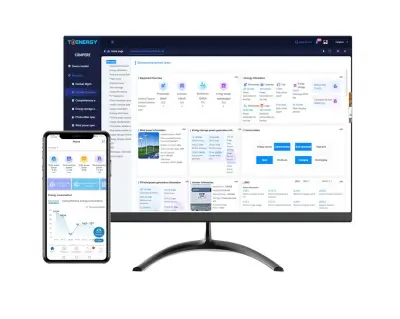
Outputting visual dashboards with support for customizable indicators;
Providing intelligent predictive models to support operational strategies.
Recommendation: Choosing a system with BI (Business Intelligence) analysis capabilities can significantly improve management efficiency.
4. Cost Effectiveness and ROI – Balancing Budget and Benefits
Price is always an important factor for businesses when purchasing. However, the value of a prepaid system should not be judged solely by its price; it should be comprehensively evaluated based on functionality, stability, security, and service quality.
Recommendation: Within the budget, choosing a system that is “sustainably scalable, stable in performance, and offers comprehensive services” will yield the best return on investment (ROI).
Summary: Choosing the Right System, Winning in the Future
Businesses should consider multiple aspects when selecting a prepaid system. An excellent enterprise prepaid solution can not only improve financial management efficiency but also bring a dual improvement in data-driven operations and customer satisfaction.