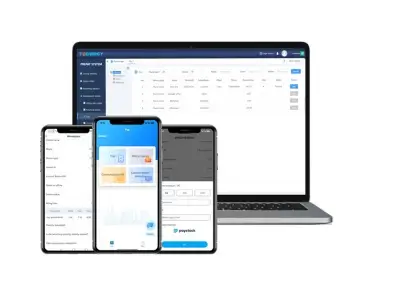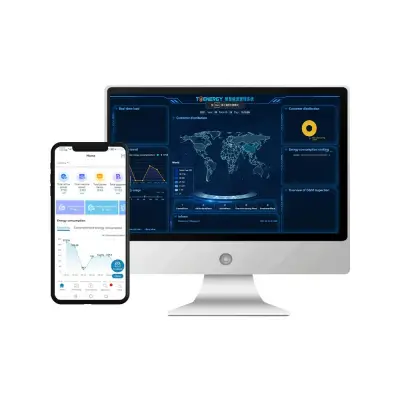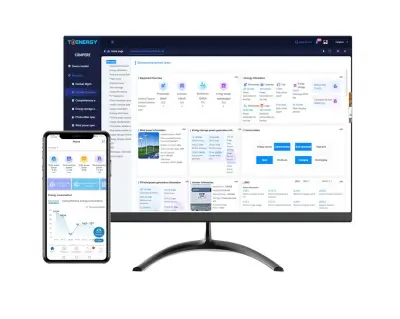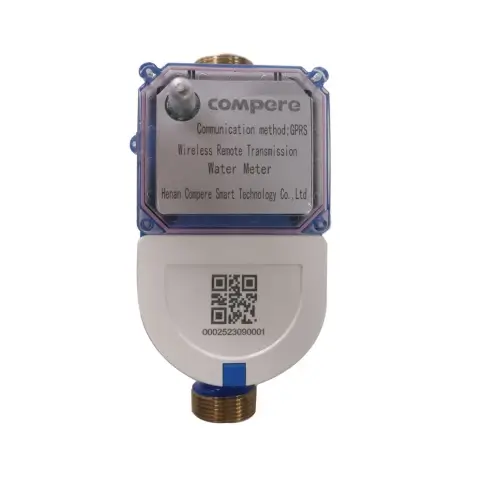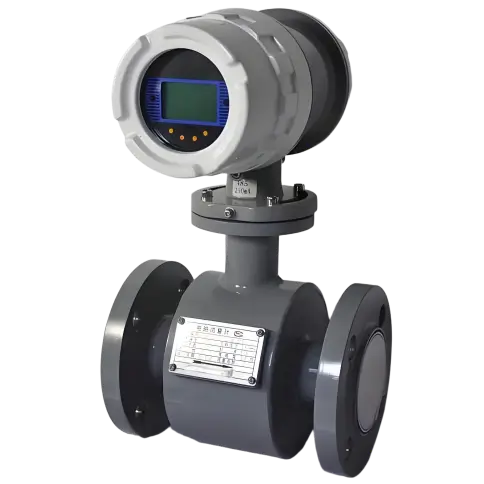
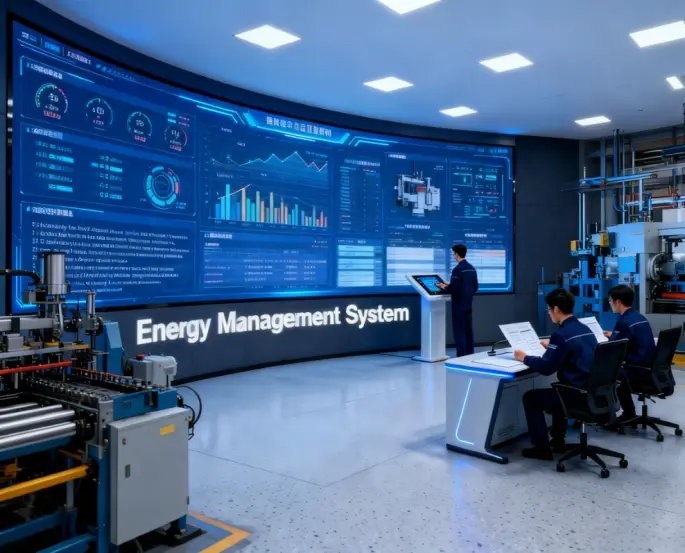
In today’s highly competitive business environment, enterprises not only need to focus on revenue growth but also on refined management of operating costs. Electricity costs, as a crucial component of enterprise operations, directly impact profit margins and sustainable development capabilities. An Energy Management System (EMS) is a key tool for addressing this challenge, fundamentally transforming enterprise electricity management through intelligent and data-driven approaches.
Basic Functions of an Energy Management System
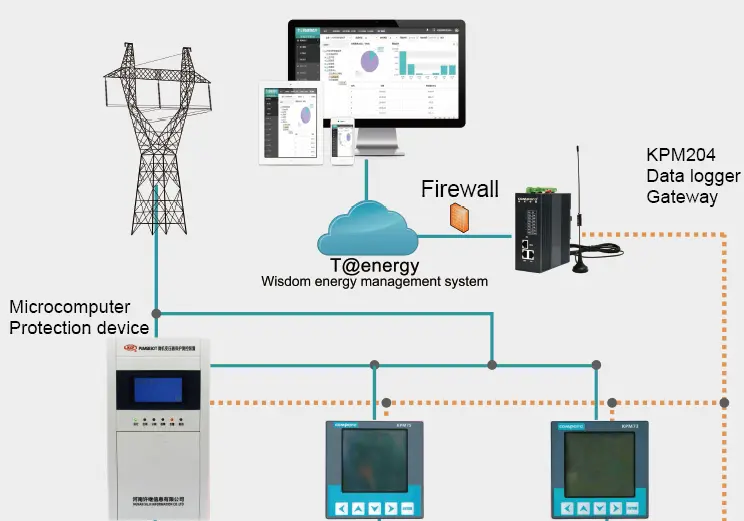
An energy management system is a comprehensive platform integrating data acquisition, monitoring, analysis, and control. Its main functions include:
Real-time Electricity Monitoring: 24/7 uninterrupted monitoring of electricity consumption across all aspects of the enterprise.
Energy Consumption Data Analysis: Identifying electricity consumption patterns and energy efficiency bottlenecks through big data analysis.
Load Forecasting and Management: Predicting future electricity demand based on historical data and algorithms.
Energy Efficiency Assessment and Reporting: Automatically generating energy efficiency assessment reports and optimization suggestions.
Intelligent Control: Achieving remote control and scheduling of critical electrical equipment.
Core Role of an Energy Management System in Enterprise Electricity Management
1. Cost Control and Optimization
EMS helps enterprises identify unnecessary energy consumption and waste points through refined electricity monitoring. The system can pinpoint the electricity consumption of each workshop, production line, and even individual piece of equipment, enabling managers to develop targeted energy-saving strategies. Statistics show that companies implementing an energy management system can reduce electricity costs by an average of 10%-25%.
2. Improved Operational Efficiency
Traditional electricity management relies on manual inspections and recording, which is inefficient and prone to errors. EMS automates and intelligently manages electricity, freeing up human resources and allowing managers to focus on core business operations. Simultaneously, the real-time data provided by the system supports faster decision-making responses.
3. Support for Sustainable Development Strategies
With the increasing popularity of ESG (Environmental, Social, and Governance) concepts, corporate environmental responsibility is becoming increasingly important. EMS not only helps companies reduce carbon emissions but also accurately records and reports energy conservation and emission reduction achievements, enhancing the company’s social image and market competitiveness.
4. Preventative Maintenance and Risk Management
EMS can monitor abnormal fluctuations in electrical equipment, providing early warnings of potential faults and preventing production interruptions due to equipment problems. Furthermore, the system can identify power grid quality issues and potential electrical safety hazards, reducing operational risks.
5. Participating in Electricity Market Optimization
For enterprises with high electricity consumption, EMS can leverage time-of-use pricing policies to optimize electricity usage periods, rationally schedule production, increase production during off-peak hours, and reduce electricity consumption during peak hours, further reducing electricity costs.
Key Considerations for Implementing an Energy Management System
Successful implementation of an EMS requires consideration of the following factors:
System Compatibility: Ensure seamless integration with the enterprise’s existing equipment and systems.
Data Security: Protect the security and privacy of electricity data.
Scalability: The system should be adaptable to the enterprise’s future development needs.
Employee Training: Ensure relevant personnel can effectively use the system.
Return on Investment Analysis: Clearly define the expected benefits and implementation costs of the system.
Conclusion
An energy management system is not only a technical means to reduce electricity costs but also a strategic choice for enterprises to achieve digital transformation and enhance competitiveness. In the context of fluctuating energy prices and increasingly stringent environmental requirements, investing in an energy management system will become an important guarantee for the sustainable development of enterprises.