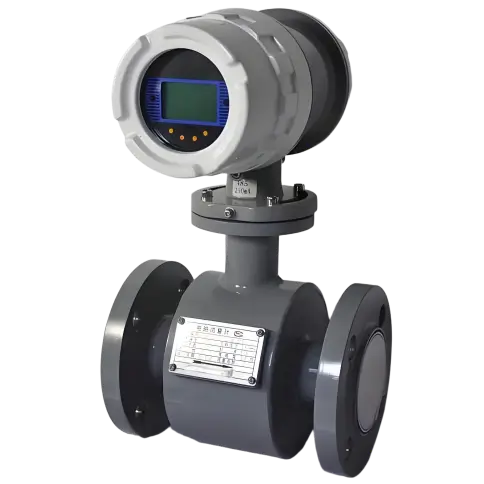

1. Overview of Smart Electricity Meters
With the continuous improvement of industrial automation and energy management, smart electricity meters are increasingly widely used in the manufacturing industry. They not only enable real-time electricity monitoring, energy consumption analysis, and remote control, but also provide strong support for enterprises to save energy, reduce consumption, and optimize production costs.
2. Pain Points of Energy Management in Manufacturing
In traditional manufacturing enterprises, energy management typically faces the following problems:
- Inaccurate electricity data: Manual meter reading or ordinary meters make it difficult to grasp the energy consumption of each production line in real time.
- Unclear energy consumption structure: It is impossible to distinguish the specific electricity consumption of different equipment or work sections.
- Lack of data analysis: It is difficult to identify energy waste points and formulate precise energy-saving strategies.
- Lagging management: Energy data cannot be linked with the production system in real time, leading to delays in cost control.
These problems result in significant shortcomings in energy cost control for manufacturing enterprises.
3. Core Applications of Smart Electricity Meters in the Manufacturing Industry
(1). Real-time Monitoring and Sub-metering
Smart meters can perform sub-metering of different workshops, production lines, and equipment, enabling time-based, area-based, and equipment-based power consumption monitoring.
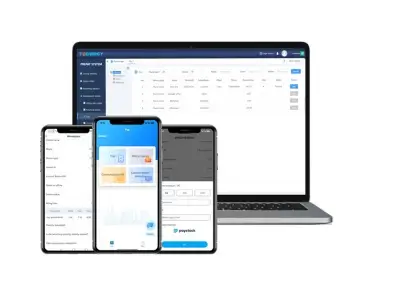
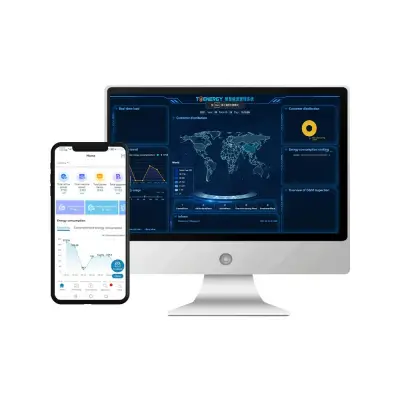
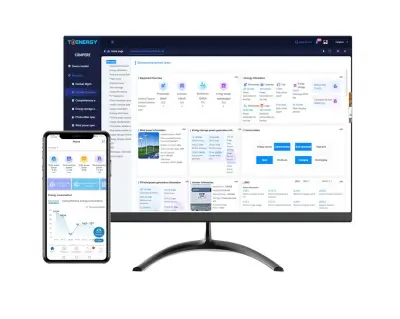
Through cloud platforms or energy management systems (EMS), managers can view energy consumption curves at any time and promptly identify abnormal power consumption.
(2). Data Analysis and Energy Saving Optimization
Power consumption data collected by smart meters can be used for energy consumption trend analysis, peak-valley power optimization, and power factor monitoring.
Manufacturing enterprises can use this data to develop more scientific production plans, avoiding peak electricity price periods, thereby effectively reducing electricity costs.
(3). Remote Control and Early Warning Functions
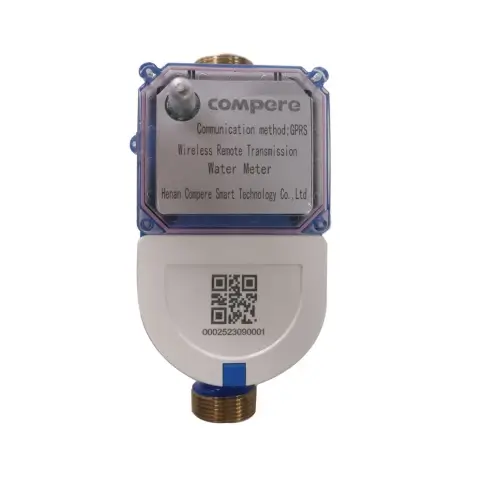
Through IoT communication (such as WiFi, 4G, RS485), smart meters can achieve remote meter reading, load control, and fault alarms.
When equipment consumes abnormal power or exceeds power limits, the system can automatically issue an alarm or execute a power cut-off operation to prevent energy waste and equipment damage.
(4). Energy Cost Accounting and Performance Management
Smart meters can automatically generate electricity consumption reports, helping companies accurately calculate production costs and providing data support for energy efficiency assessments.
For example, production efficiency can be evaluated based on departmental or team electricity consumption, promoting the implementation of energy-saving performance assessment systems.
4. Actual Benefits of Smart Electricity Meters
| Application Area | Specific Benefits |
|---|---|
| Production Management | Optimize equipment operating time and improve capacity utilization |
| Cost Control | Reduce electricity expenses and improve energy use efficiency |
| Safety Operations & Maintenance | Provide timely warnings of equipment overload and prevent electrical accidents |
| Data-driven Decision Making | Provide real-time energy consumption data to support smart manufacturing decisions |
5. Conclusion
Driven by the goals of “carbon peaking and carbon neutrality,” smart meters have become a crucial foundation for the digital transformation of energy in the manufacturing industry.
Whether in traditional machinery manufacturing or high-tech electronics factories, by deploying smart meters and energy management systems, companies can significantly improve energy efficiency, reduce operating costs, and achieve sustainable development.