1. An Energy Revolution from “Metering” to “Management”
In today’s digital and intelligent era, refined electricity management has become crucial. You may be familiar with your home’s single-phase electricity meter, but in high-electricity-consumption locations such as factories, shopping malls, office buildings, and large communities, the three phase smart energy meter plays the role of the “central nervous system” of electricity. It has long surpassed the traditional meter’s mere “counting” function, evolving into an intelligent terminal integrating measurement, communication, data analysis, and control.
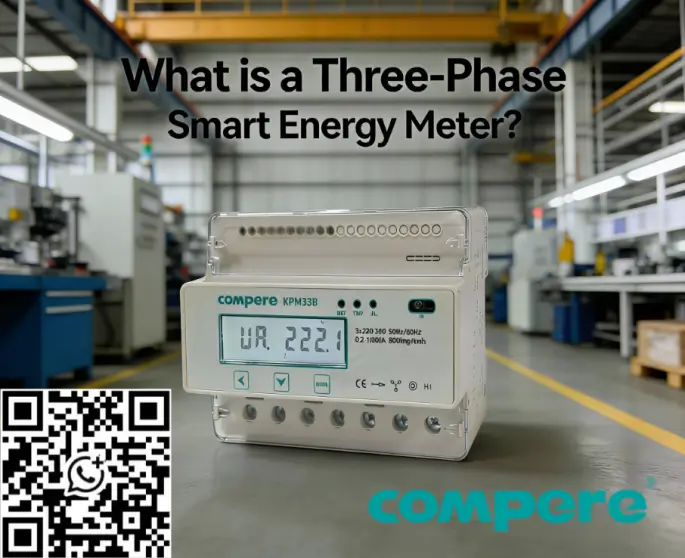
2. Core Definition: What is a Three Phase Smart Energy Meter?
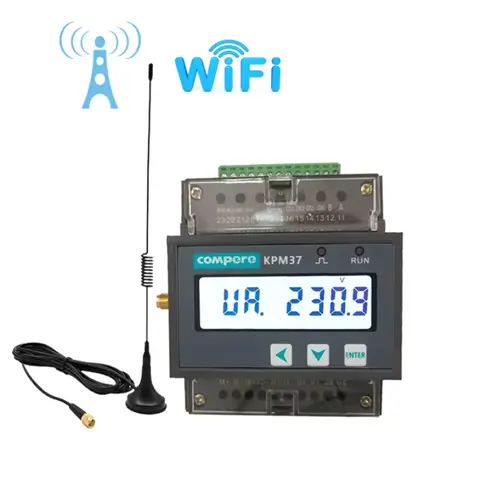
A three phase smart energy meter is an advanced electronic instrument used to measure and record various electrical parameters such as active/reactive energy, voltage, and current in a three phase AC circuit. Its core feature lies in the word “smart.” It incorporates a microprocessor and communication module, enabling remote data transmission, two-way communication, and advanced functional applications. It is a key device for building smart grids and realizing Advanced Metering Systems (AMI).
In simple terms, it not only tells you “how much electricity was used,” but also “when, how, and why that electricity was used.”
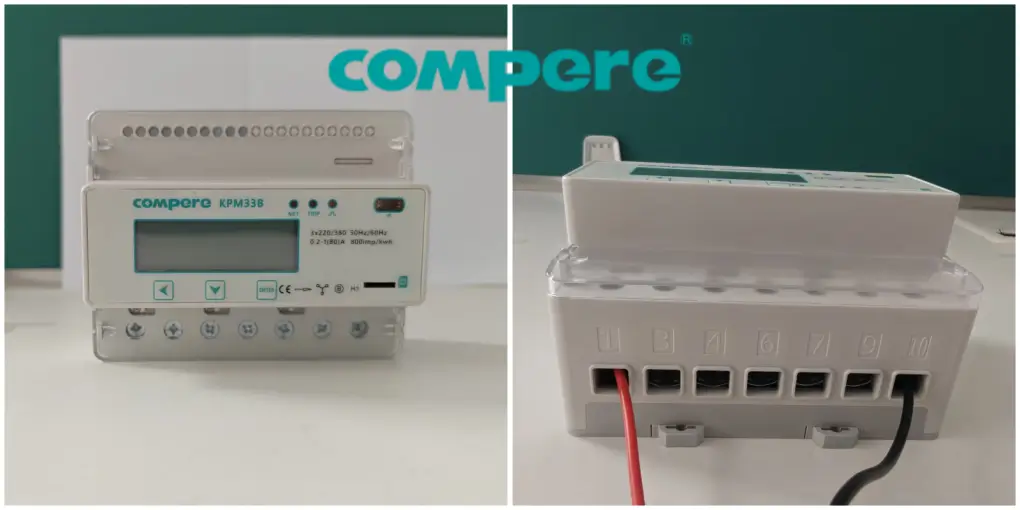
3. Differences between Three Phase Smart Energy Meter, Traditional Meter, and Single Phase Meter
To illustrate this more clearly, we present a comparison table:
| Feature | Three Phase Smart Energy Meter | Traditional Mechanical Meter (Induction Type) | Single Phase Smart Meter |
|---|---|---|---|
| Working Principle | Based on microprocessor and digital sampling technology | Based on electromagnetic induction principle, aluminum disc rotation | Electronic measurement, but only for single-phase circuits |
| Measurement Content | Multi-dimensional: active/reactive energy, voltage, current, power factor, frequency, etc. | Only cumulative active energy | Typically only cumulative active energy |
| Communication Capability | Two-way communication, supports remote reading, remote tariff control, firmware upgrades | No communication capability, requires manual reading | Some have one-way communication (remote reading), but limited functionality |
| Tariff Functionality | Supports time-of-use pricing, tiered pricing, encourages peak shaving | Not supported | Some high-end models support it |
| Data Management | Can store historical electricity data for consumption analysis | No data storage function | Weak data storage capability |
| Application Scenarios | Industrial & commercial enterprises, large buildings, data centers, photovoltaic power stations and other high-voltage, high-power situations | Being phased out | Ordinary residential households and other low-voltage, low-power situations |
4. Core Working Principles and Technical Components
The intelligence of three phase smart energy meter is built upon the following key technologies:
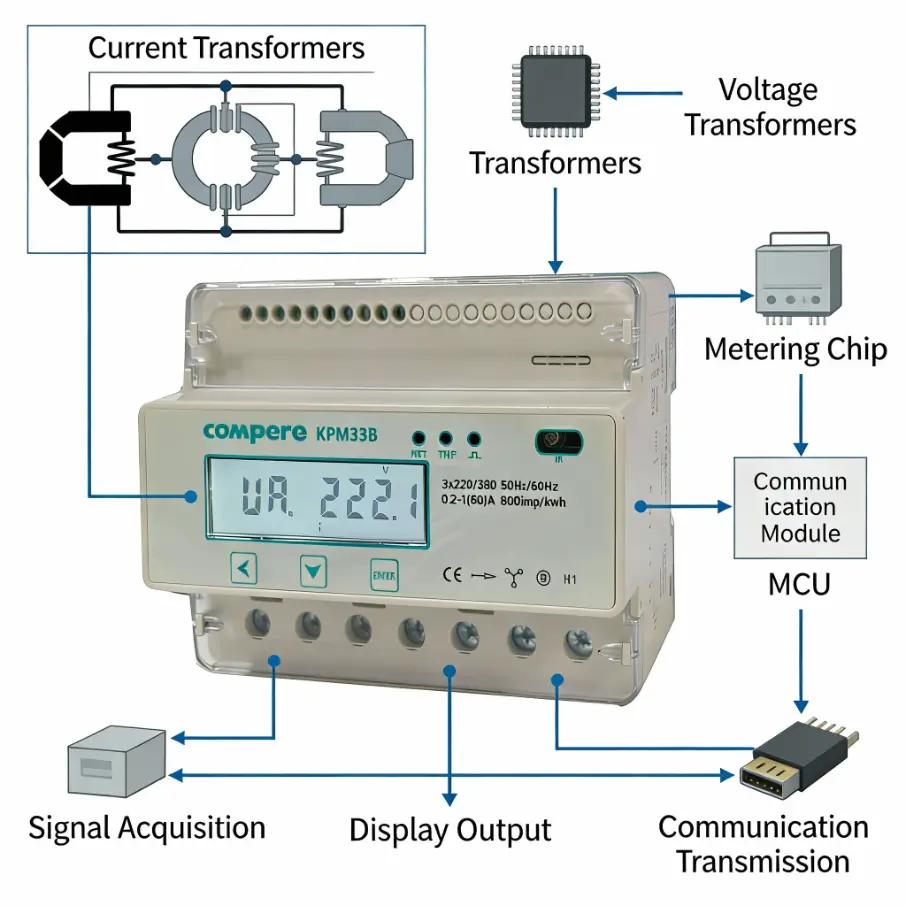
Data Acquisition: Real-time acquisition of voltage and current signals in the three phase circuit through precision sensors.
Signal Processing: Conversion of analog signals to digital signals using a high-speed analog-to-digital converter (ADC).
Calculation and Analysis: The microprocessor (CPU) uses specific algorithms to accurately calculate various parameters such as active power, reactive power, power factor, and energy consumption based on the digital signals.
Data Storage and Display: The calculation results are stored in non-volatile memory and displayed in real-time on an LCD screen.
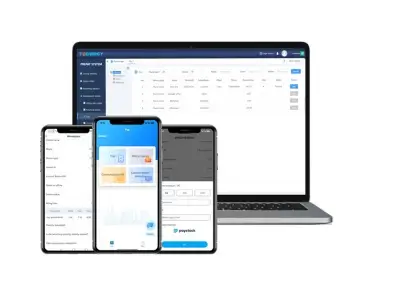
Communication and Transmission: This is the soul of the smart meter. Through built-in communication modules (such as power line carrier PLC, low-power wireless, 4G/5G, LoRa, etc.), data is remotely transmitted to the power company’s data center, while simultaneously receiving instructions from the center (such as power on/off and rate switching).
5. Powerful Functions And Core Advantages of Three Phase Smart Energy Meters
For users (such as business owners):
Accurate Billing, Transparent Consumption: Supports complex time-of-use and tiered pricing, allowing users to clearly understand electricity costs at different times, thereby adjusting production plans and saving on electricity bills.
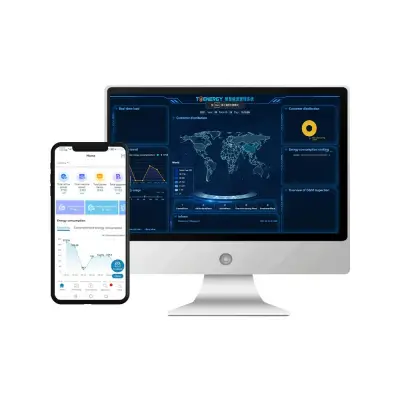
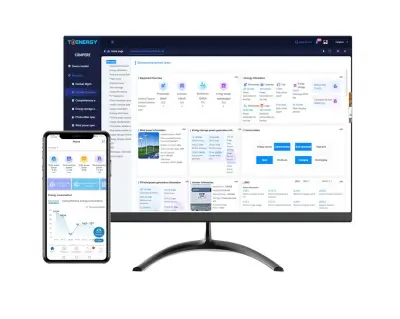
Electricity Analysis and Energy-Saving Diagnosis: Through historical data querying and analysis, it identifies abnormal electricity consumption and energy consumption loopholes, providing data support for energy-saving renovations.
Two-Way Metering, Supporting New Energy Sources: For users installing distributed energy sources such as photovoltaic power generation, it can accurately measure both “electricity consumption” and “power generation connected to the grid,” achieving net electricity settlement.
Remote Fee Control, Convenient and Efficient: Enables remote automatic meter reading, eliminating human error; supports remote recharge and power on/off, greatly improving the user experience.
For power grid companies and society:
Improving grid operational efficiency: Real-time monitoring of line load and voltage quality enables timely fault detection and location, reducing power outage time.
Facilitating demand-side response: During peak electricity consumption periods, price signals guide users to proactively reduce electricity consumption, ensuring the safe and stable operation of the power grid.
Promoting smart grid construction: It serves as the data foundation for smart grids, providing massive data support for advanced applications such as distribution network automation and load forecasting.
Promoting the achievement of “dual carbon” goals: By optimizing energy use structure, it promotes the consumption of clean energy, contributing to energy conservation and emission reduction.
6. Application Scenarios Of Three Phase Smart Energy Meter
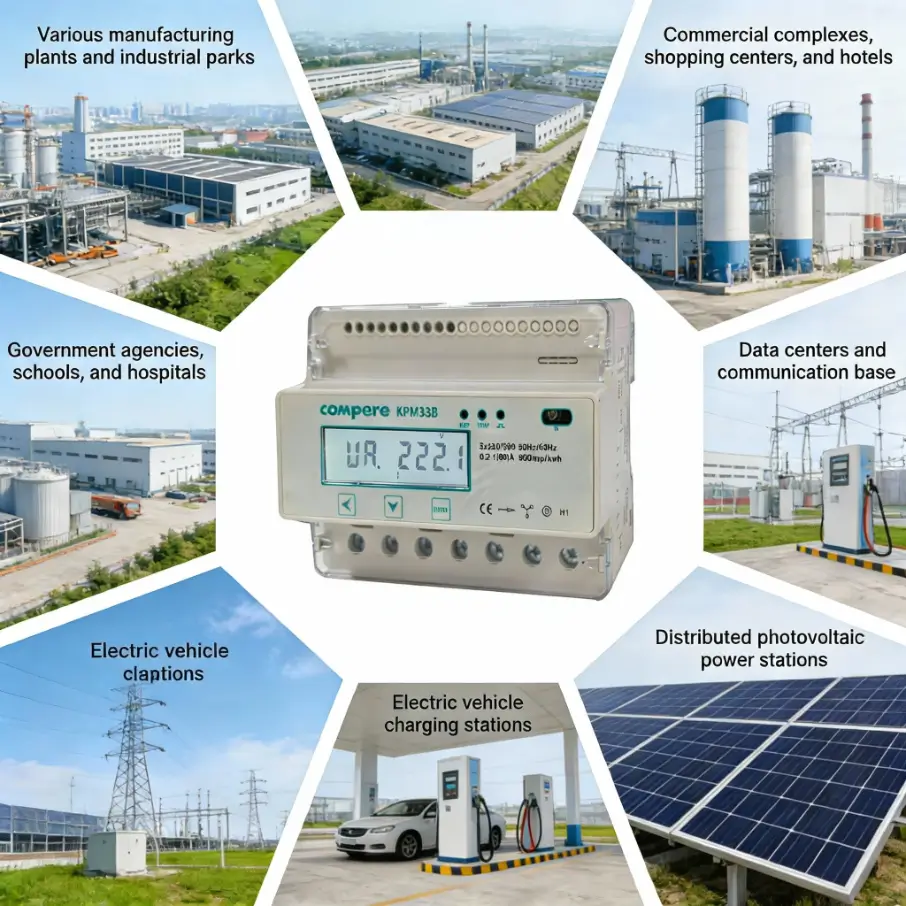
Three phase smart energy meters are widely used in all situations requiring high-voltage, high-power supply:
- Various manufacturing plants and industrial parks
- Commercial complexes, shopping centers, and hotels
- Government agencies, schools, and hospitals
- Data centers and communication base stations
- Electric vehicle charging stations
- Distributed photovoltaic power stations
Conclusion
Three phase smart energy meters are no longer simple metering tools; they are an intelligent bridge connecting users and the power grid, and a core engine driving energy management towards refinement and digitalization. With the continuous development of IoT and AI technologies, they will play an increasingly important role in areas such as virtual power plants and carbon management, helping us build a more efficient, greener, and smarter energy future.