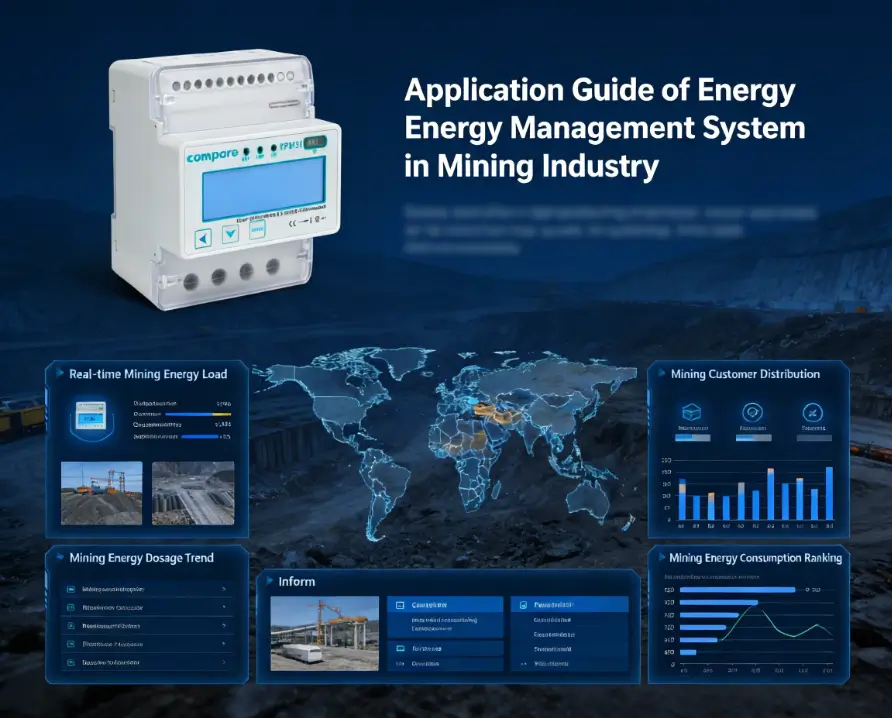
With rising global energy costs and increasing environmental pressures, the mining industry is facing unprecedented energy efficiency challenges. Energy Management System as an integrated technology solution, are helping mining companies achieve precise monitoring, optimized control, and cost reduction of energy consumption, while simultaneously driving the industry’s transformation towards green mining. This article will delve into the specific application scenarios, implementation benefits, and future development trends of EMS in the mining industry.
Characteristics and Challenges of Energy Consumption in the Mining Industry
The mining industry is a typical high energy consuming industry, exhibiting the following characteristics in its energy consumption:
Concentrated Energy Consumption: Mining, crushing, grinding, and transportation processes account for 60-70% of total energy consumption.
Diverse Equipment: Large equipment such as excavators, mining trucks, and ball mills have significantly different energy consumption.
Complex Operating Environment: Underground mine ventilation and drainage systems operate continuously 24 hours a day.
High Electricity Ratio: Electricity typically accounts for 40-60% of total energy costs.
Challenges include:
The proportion of energy costs in total operating costs continues to rise.
Traditional management methods are insufficient for achieving refined energy monitoring.
Increasingly stringent carbon emission regulations
Unstable energy supply in remote mining areas.
Core Application Scenarios of Energy Management Systems in Mines
1. Real-time Energy Monitoring and Data Acquisition
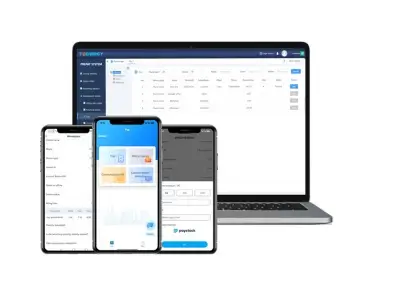
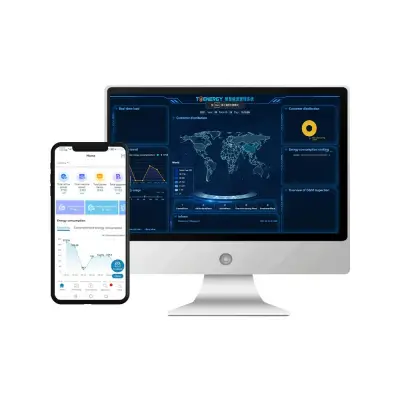
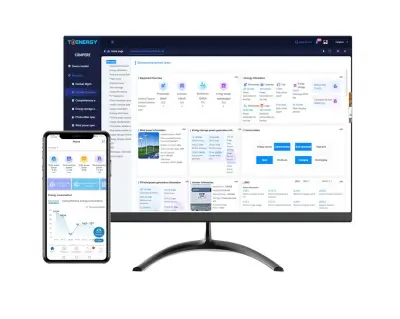
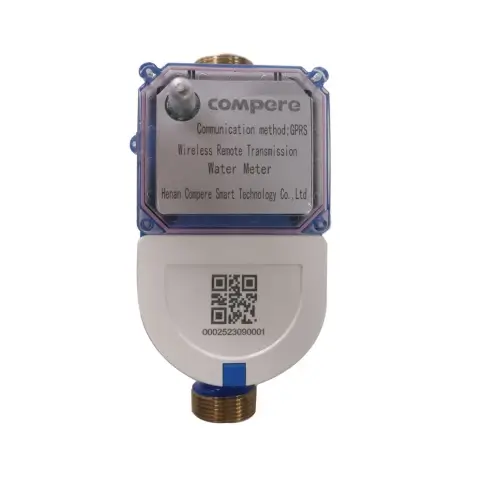
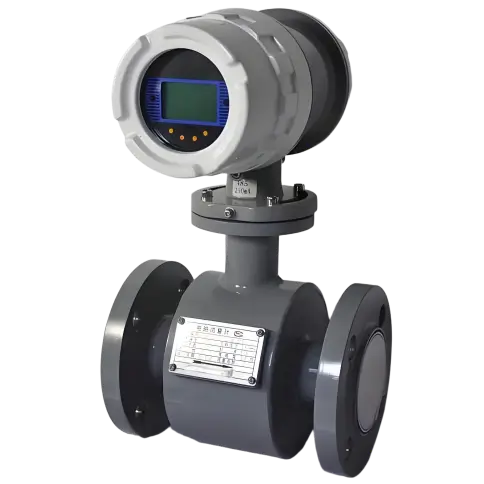
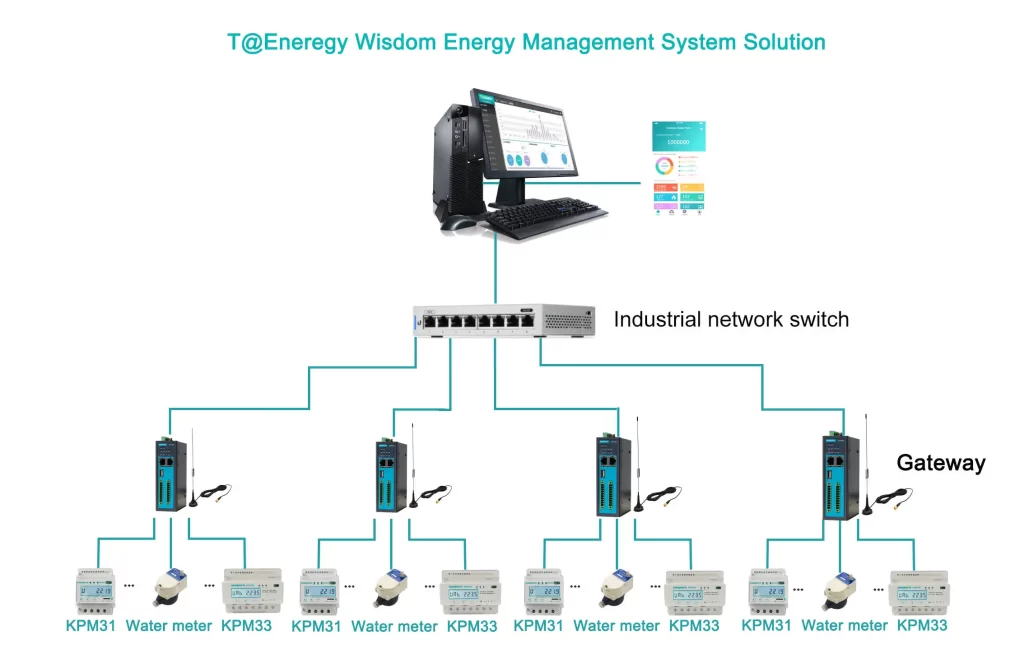
Smart Metering Network: Installing smart 4G/WiFi energy meters, flow meters, and sensors at key energy consumption points.
Data Integration Platform: Centralizing the management of dispersed energy consumption data (electricity, water, compressed air, diesel, etc.).
Visual Dashboard: Providing real-time energy consumption monitoring, historical data comparison, and anomaly alarm functions.
2. Equipment Energy Efficiency Optimization
Large Equipment Intelligent Control: Automatically adjusts operating parameters of crushers and ball mills based on load.
Air Compressor System Optimization: Reduces compressed air energy consumption by 20-30% through pressure demand analysis and pipeline optimization.
Intelligent Scheduling of Water Pumps and Ventilation Systems: Dynamically adjusts operating modes based on mine depth and work area.
3. Production Process Energy Optimization
Crushing-Grinding Process Optimization: Adjusts the crushing ratio in real time through particle size analysis to reduce energy consumption per unit ore.
Transportation System Energy Saving: Optimizes mining truck scheduling routes to reduce idle and waiting time.
Mineral Processing Control: Automatically adjusts flotation reagents and energy consumption based on ore grade.
4. Renewable Energy Integration
Microgrid Management: Integrates renewable energy sources such as solar and wind power to improve energy self-sufficiency in remote mining areas.
Energy Storage System Scheduling: Utilizes battery energy storage to balance load and reduce demand-based electricity costs.
5. Predictive Energy Maintenance
Equipment Health Monitoring: Identifying potential equipment failures through energy consumption anomalies
Preventive Maintenance Scheduling: Optimizing maintenance plans based on energy efficiency data analysis
Key Benefits of Implementing an Energy Management System
Direct Economic Benefits
Reduced Energy Costs: Typical mines can achieve an 8-15% reduction in total energy consumption.
Demand Cost Optimization: Reducing peak demand through load management, lowering electricity bills by 15-25%.
Extended Equipment Lifespan: Optimized operation reduces equipment wear, extending lifespan by 10-20%.
Reduced Maintenance Costs: Predictive maintenance reduces unplanned downtime by 30-50%.
Improved Operational Efficiency
Increased Production Efficiency: Linked analysis of energy and production data identifies bottlenecks.
Enhanced Decision Support: Data-driven energy procurement and equipment upgrade decisions.
Simplified Compliance: Automatic generation of carbon emission reports and energy efficiency compliance documents.
Environmental and Social Benefits
Carbon Emission Reduction: Assists in achieving carbon reduction targets and meeting ESG requirements.
Resource Sustainability: Reduces energy intensity per unit of ore.
Improved Community Relations: Reduces environmental pressure from energy consumption.
Key Factors for Successful Implementation
Management Commitment: Energy management must be a corporate strategy, not just an IT project.
Phase Implementation: Start with pilot areas and gradually expand to the entire mine.
System Integration Capability: EMS needs to seamlessly integrate with existing SCADA, DCS, and ERP systems.
Professional Team Building: Cultivates multi-skilled personnel who understand both mining processes and energy management.
Continuous Improvement Culture: Establishes energy performance indicators (KPIs) and a regular review mechanism.
Conclusion
Energy management systems have become an indispensable intelligent tool for modern mines. They not only directly reduce operating costs but are also a strategic investment for mining companies to achieve sustainable development and enhance competitiveness. With technological advancements and the improvement of industry standards, EMS will evolve from a single monitoring tool into a core platform for energy optimization throughout the entire lifecycle of a mine. For mining companies, planning and implementing an energy management system tailored to their specific characteristics as early as possible will give them a competitive edge in future industry changes.
The energy transition in the mining industry is no longer a question of whether or not to do it, but how to do it faster and more efficiently. Energy management systems provide the technological path and management framework to achieve this goal, serving as a key bridge connecting traditional mining with smart mines.