
Under the current “dual-carbon” strategy and fluctuating energy costs, energy management in industrial parks faces significant challenges. Traditional electricity usage patterns often suffer from high equipment wear and tear, inefficient management, and high peak-valley electricity costs.
To truly improve electricity usage in industrial parks, a four-pronged approach is needed: digital monitoring, hardware upgrades, energy structure improvements, and refined management.
1. Building a Smart Energy Management Platform: Making Electricity Usage “Transparent”
The first step in improving electricity usage is “seeing” where energy flows. Without knowing where electricity is being spent, improvement is impossible.
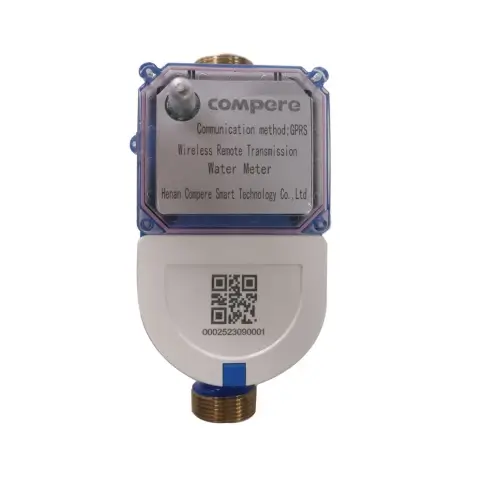
Deploying Smart Metering Terminals: Installing high-precision smart power meters on various branch lines and large production equipment within the park to achieve real-time data collection.
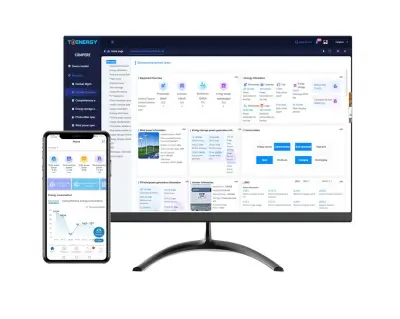
Multi-Dimensional Data Analysis: Analyzing the electricity intensity, load curves, and standby power consumption of each enterprise through an EMS (Energy Management System). Utilizing big data to identify inefficient electricity usage points provides data support for precise energy conservation.
Anomaly Warning and Diagnosis: The system can monitor power quality issues such as voltage deviation and harmonic interference in real time, providing early warnings of potential equipment problems and preventing significant losses due to power outages.
2. Optimizing Energy Structure: From “Buying Electricity” to “Self-Production and Self-Consumption”
Introducing distributed energy is one of the most effective ways for industrial parks to reduce electricity costs.
Distributed Photovoltaic Power Generation: Utilizing the large unused spaces on the rooftops of factory buildings and office buildings within the park to install photovoltaic panels. Adopting a “self-consumption, surplus electricity fed into the grid” model can significantly reduce peak electricity costs during the day.
Configuring a Battery Energy Storage System (BESS): Industrial parks typically experience significant peak-valley electricity price differences. By using an energy storage system to charge during off-peak hours and discharge during peak hours, arbitrage through “peak shaving and valley filling” directly reduces electricity costs.
Microgrid Integration: Deeply integrating photovoltaics, energy storage, and charging piles with the park’s power grid to form a local microgrid, improving the self-sufficiency and reliability of electricity supply.
3. Deepening Energy Saving Potential: Solving “Leaks and Wastes”
Aging hardware and improper selection are hidden culprits leading to energy waste.
Motor Variable Frequency Drive (VFD) Retrofit: VFD retrofits are implemented for high-power equipment such as pumps, fans, and compressors within the park. Power is dynamically adjusted based on actual load, typically achieving energy savings of 20%-50%.
Transformer Energy-Saving Replacement: Old, high-energy-consuming transformers are replaced with new, energy-efficient transformers, reducing no-load and load losses.
Intelligent Lighting System: Lighting in public areas and workshops within the park is replaced with LED lights, combined with sensor control and time-based control to achieve “on-demand lighting.”
4. Implementing Demand-Side Management: Utilizing the “Price Lever”
Cost optimization is achieved through scientific production scheduling strategies and by leveraging electricity market pricing policies.
Peak-Time Production Strategy: Enterprises within the park are guided to schedule high-energy-consuming processes during off-peak or peak electricity price periods, without affecting output, based on local peak-valley electricity pricing.
Electric Market Response: During peak electricity consumption periods, actively respond to the power grid company’s demand response call, proactively reducing load to obtain cash compensation or electricity fee rebates from the government or power company.
Power Factor Compensation (Optimization): Improve the park’s power factor through reactive power compensation devices. Ensuring the power factor remains above 0.9 not only improves transformer efficiency but also avoids additional “penalty fees” from the power supply bureau.
5. Improve Operation and Management Systems
Technology is the foundation, management is the guarantee.
Energy Efficiency Assessment Mechanism: Decompose electricity consumption targets to each workshop or tenant, establish a tiered pricing or energy efficiency ranking mechanism, and stimulate energy-saving awareness among all employees.
Regular Power Quality Audits: Engage a professional agency to conduct annual power audits to identify management loopholes and continuously iterate energy-saving solutions.
Summary
Improving electricity consumption in industrial parks is a systematic project. Its core lies in using a digital platform as a foundation, integrated photovoltaic, energy storage, and charging system as a means, and refined operation as a guarantee. This not only directly reduces the park’s operating costs but is also an essential path to creating a “green park, low-carbon park.”