
In energy management within industrial parks, smart meters play a crucial role in electricity monitoring and management. Therefore, selecting the right smart energy meter is critical. However, in the complex industrial environment, choosing the correct communication protocol is paramount. This article will analyze the advantages and disadvantages of three mainstream solutions from a practical perspective.
RS485 Bus: A Classic and Reliable Choice
For newly built factories or scenarios with concentrated power distribution rooms, the RS485 solution remains the first choice for electrical engineers due to its extremely high stability.
Technical Advantages: Employs differential signal transmission, providing strong resistance to electromagnetic interference. In industrial sites with dense inverters and high-power motors, RS485 ensures accurate data transmission.
Deployment Considerations: Although the hardware cost is extremely low, it requires the additional installation of dedicated shielded cables. This solution is best suited for scenarios where meters are centrally installed within distribution cabinets.
Precautions: Before construction, ensure the meter supports the RS485 standard interface and uses the standard Modbus-RTU protocol to ensure seamless integration with the industrial gateway.
4G Remote Solution: The First Choice for Large-Scale Industrial Parks
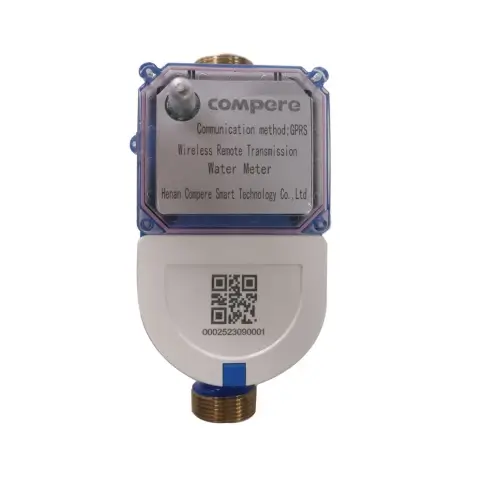
For large-scale, geographically dispersed factories or renovations of older industrial parks, 4G prepaid meters offer unparalleled flexibility.
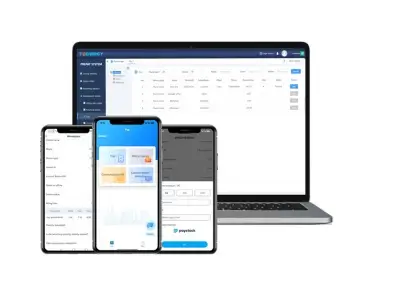
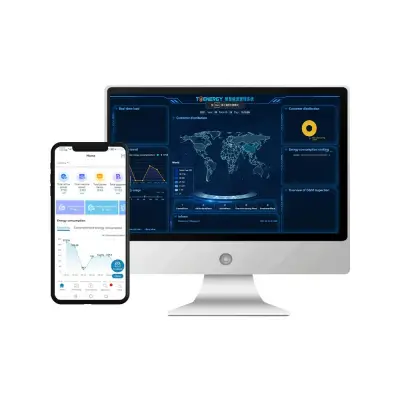
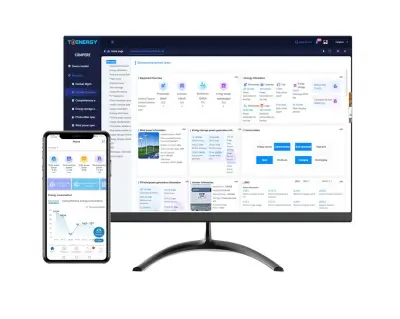
Core Advantages: Plug and play, no wiring required. The meter automatically connects to the IoT cloud platform after power-on, breaking through physical space limitations. Managers can remotely close, disconnect, and issue balance alerts anytime, anywhere via web or mobile.
Practical Performance: Particularly suitable for geographically dispersed factories and remote control scenarios requiring high-frequency interaction. It avoids the huge labor costs of breaking through walls for wiring, significantly shortening the project delivery cycle.
Selection Tips: Prioritize industrial-grade full-network compatible modules to ensure stable connectivity even in corners of the factory with weak signals.
WiFi Solution: A Supplement to Specific Indoor Environments
WiFi solutions are less commonly used in core industrial areas, but they have certain application value in specific office or R&D areas.
Solution Features: Utilizes the existing wireless network in the park, eliminating the need for data SIM card fees.
Limitations: Signal penetration is relatively weak and easily blocked by metal structures in industrial environments. Dropped connections or delays are prone to occur when devices are connected at high density.
Applicable Scenarios: Recommended for lightweight applications with good signal coverage and minimal environmental interference, such as inside office buildings and indoor R&D centers.
Summary: Engineer’s Selection Logic
Centralized Installation, Pursuit of Ultimate Stability: Choose the RS485 solution. Although cabling is more complicated, it’s a one-time investment with lifelong stability and no subsequent data costs.
Distributed Installation, Rapid Deployment: Choose the 4G solution. It completely solves the “difficult construction” problem and is currently the mainstream trend in smart park management.
Indoor Office Areas, Well-established Networks: WiFi solutions can be considered. However, the coverage radius of the wireless signal must be evaluated during selection.
Technical Recommendation: Regardless of the communication method chosen, ensure that the meter has industrial-grade tolerance (operating temperature range covering -25°C to +70°C) and supports encrypted data transmission to ensure the security of industrial electricity data.