For modern manufacturing companies, controlling electricity costs has become a critical part of improving operational efficiency. Many factories consume large amounts of electricity every day, but without accurate energy data, managers often cannot identify where energy is wasted or which equipment causes excessive consumption.
So, how to monitor electricity consumption in factories effectively? The answer is to build a complete factory energy monitoring system that combines smart energy meters, communication technologies, and energy management platforms. By collecting real-time electricity data from production equipment, workshops, and facilities, factories can understand energy usage patterns and make data-driven decisions to reduce operating costs.
A professional industrial electricity monitoring solution helps manufacturers move from traditional energy management methods to a smarter approach with continuous monitoring, energy analysis, and optimization.
Factory Energy Management Industry Pain Points: High Electricity Costs, Energy Waste, and Lack of Consumption Visibility
Factories face increasingly complex energy management challenges. Rising electricity prices, expanding production capacity, and growing equipment numbers make it difficult for companies to control energy consumption without accurate monitoring systems.
Traditional electricity management methods usually rely on monthly utility bills or manual inspections. These methods only show total electricity usage but cannot explain where energy is consumed, when waste occurs, or which machines require optimization.
High Electricity Bills Without Clear Energy Consumption Analysis
One of the biggest challenges for manufacturing companies is increasing electricity expenses without detailed consumption analysis. Many factories only know their total monthly electricity usage but lack visibility into individual production lines, machines, or departments.
Without detailed energy data, factory managers cannot easily identify:
- High-consumption production areas;
- Equipment with abnormal electricity usage;
- Processes that require energy optimization.
A factory energy monitoring system provides detailed electricity usage information, allowing companies to understand energy distribution and find opportunities to reduce unnecessary costs.
Energy Waste Caused by Inefficient Equipment Operation
Many factories experience hidden energy waste caused by inefficient equipment operation. Older machines, standby equipment, and improper operating schedules can consume significant amounts of electricity without creating additional production value.
Common energy waste problems include:
- Old equipment with low energy efficiency;
- Machines running during non-production periods;
- Unnecessary power consumption from auxiliary systems.
By continuously tracking electricity usage, factories can discover abnormal consumption patterns and take corrective actions to improve overall energy efficiency.
Difficulty Monitoring Multiple Production Areas and Equipment
Large manufacturing facilities often include multiple workshops, production lines, buildings, and hundreds of energy consumption points. Managing electricity usage manually across different areas is inefficient and often leads to incomplete information.
Factories need a centralized electricity usage tracking system that can monitor different locations and equipment from one platform. This allows energy managers to compare consumption between departments and identify areas with improvement potential.
Lack of Real-Time Data for Energy Optimization Decisions
Energy optimization requires accurate and timely information. Without real-time electricity data, factories cannot quickly detect unusual consumption, equipment problems, or inefficient operating conditions.
A real time energy monitoring system helps companies access:
- Real-time power consumption data;
- Historical energy usage analysis;
- Consumption comparison between different areas;
- Energy efficiency improvement opportunities.
How to Monitor Electricity Consumption in Factories Step by Step
To effectively monitor factory electricity consumption, companies should follow a systematic approach. A complete monitoring process includes identifying key energy points, installing measurement devices, collecting data, and analyzing results for continuous improvement.
Step 1: Identify Key Energy Consumption Areas
The first step is determining which areas and equipment require monitoring. Not every electrical point needs the same level of measurement. Factories should focus on major energy-consuming locations, including:
- Production lines;
- Manufacturing machines;
- Industrial workshops;
- Compressed air systems and auxiliary equipment.
By identifying important energy consumption points, factories can create an effective monitoring plan and allocate resources efficiently.
Step 2: Install Smart Energy Monitoring Devices
After identifying monitoring targets, factories need suitable measurement equipment to collect electricity data. Smart energy meters are commonly installed at distribution points, production equipment, or specific energy-consuming areas.
Depending on project requirements, a factory electricity monitoring solution may include:
- Smart energy meters for electricity measurement;
- Multi-channel energy meters for multiple circuits;
- Current transformers for current measurement;
- Communication modules for remote data transmission.
These devices continuously measure electrical parameters and provide accurate consumption information for further analysis.
Step 3: Collect and Transfer Energy Data
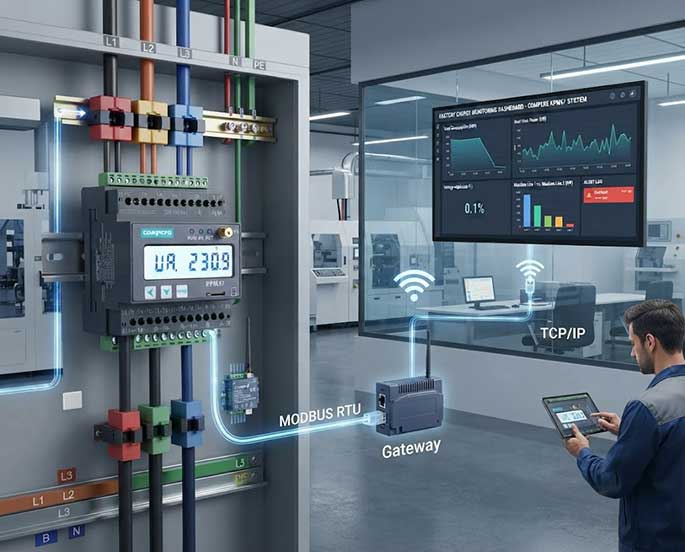
After installation, the monitoring system collects electricity information from different measurement points and transfers the data to a centralized management platform.
| Process | Description |
|---|---|
| Energy Measurement | Smart meters collect electricity usage data from production equipment and facilities. |
| Data Transmission | Collected data is transferred to the monitoring platform for centralized management. |
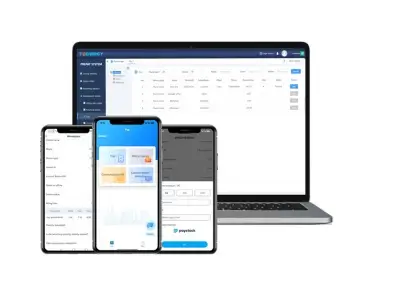
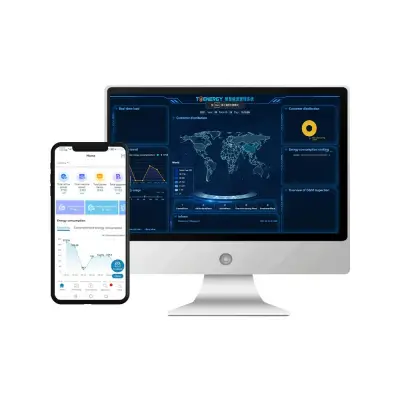
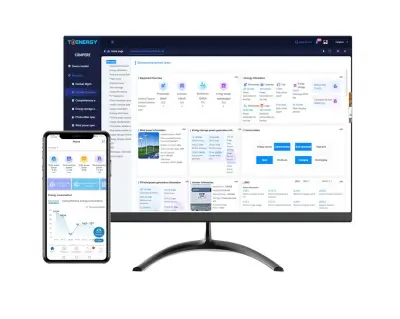
| Centralized Monitoring | Managers view energy consumption information through dashboards and reports. |
Step 4: Analyze Data and Improve Energy Efficiency
Collecting energy data is only the first step. The real value comes from analyzing consumption patterns and identifying improvement opportunities.
Factories can use monitoring data to discover:
- Energy waste caused by inefficient operation;
- Abnormal electricity consumption;
- High-energy-consuming equipment;
- Potential energy-saving opportunities.
Through continuous analysis, companies can develop effective industrial energy management solutions and improve long-term energy efficiency.
Smart Devices Required for Factory Electricity Consumption Monitoring Solutions
A complete factory energy monitoring system requires several key components working together to measure, collect, and analyze electricity consumption data. The combination of hardware devices and software platforms allows factories to achieve continuous energy visibility and improve energy management efficiency.
Smart Energy Meters
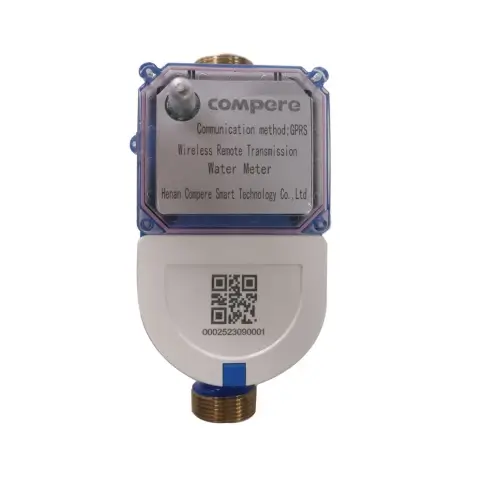
Smart energy meters are the foundation of factory electricity consumption monitoring solutions. They measure electrical parameters from production equipment, distribution systems, and different energy consumption areas.
Typical measurement functions include:
- Voltage measurement;
- Current measurement;
- Power monitoring;
- Energy consumption tracking;
- Historical electricity usage recording.
By installing smart energy meters at important monitoring points, factories can understand how electricity is distributed throughout the facility and identify areas where energy efficiency can be improved.
Communication Solutions
Communication solutions enable remote collection and centralized management of electricity data. Instead of manually checking meters, factory managers can receive energy information automatically from different production areas.
A reliable communication system helps achieve:
- Remote energy data collection;
- Centralized monitoring of multiple locations;
- Continuous electricity usage tracking;
- Improved energy management efficiency.
Energy Management Platform
The energy management platform transforms collected electricity data into meaningful information for decision-making. Through data visualization and analysis, managers can quickly understand energy consumption trends.
The platform can provide:
- Real-time energy consumption dashboards;
- Historical usage analysis;
- Energy consumption comparison between areas;
- Reports for energy optimization decisions.
With a complete IoT energy monitoring system, factories can create a transparent energy management environment and continuously improve operational efficiency.
Factory Applications of Electricity Consumption Monitoring Solutions
Electricity monitoring systems can be applied across different industrial environments. Whether for a single production workshop or a large manufacturing facility with multiple buildings, energy monitoring helps companies gain better control over electricity usage.
Manufacturing Production Lines
Production equipment is usually one of the largest electricity consumers in factories. Monitoring individual machines or production lines helps companies understand equipment energy performance.
Factory managers can monitor:
- Production equipment electricity consumption;
- Machine operating energy patterns;
- Energy usage differences between production lines.
This information helps manufacturers optimize production processes and reduce unnecessary energy consumption.
Industrial Workshops
Different workshops may have different electricity consumption characteristics. For example, machining areas, assembly lines, and testing areas may require different energy management strategies.
A factory energy monitoring system allows companies to compare energy usage between workshops and identify inefficient processes or areas with excessive consumption.
Large Factories with Multiple Buildings
Large industrial facilities often include multiple buildings, departments, and independent power distribution areas. Managing these locations separately can make energy control difficult.
A centralized industrial electricity monitoring solution enables:
- Multiple area monitoring;
- Unified energy data management;
- Cross-department energy comparison;
- Better control of overall electricity consumption.
Factory Energy Saving and Digital Upgrade Projects
Many existing factories are upgrading their facilities to improve energy efficiency and digital management capabilities. Electricity monitoring systems provide essential data support for these transformation projects.
They are suitable for:
- Existing factory energy optimization projects;
- Smart factory upgrade programs;
- Industrial energy efficiency improvement plans.
How Factory Energy Monitoring Systems Help Reduce Electricity Costs
The main value of factory electricity monitoring is not only collecting data but using data to improve energy performance. By understanding electricity consumption patterns, factories can take targeted actions to reduce operating costs.
A professional energy monitoring solution helps manufacturers:
- Reduce energy waste: Identify unnecessary electricity consumption and inefficient operating conditions.
- Improve equipment efficiency: Discover machines with abnormal energy usage and optimize operation methods.
- Lower operation costs: Reduce avoidable electricity expenses through better energy control.
- Support management decisions: Provide accurate energy data for future production and facility planning.
For manufacturing companies, energy monitoring is becoming an important tool for achieving long-term energy efficiency and sustainable operation.
How to Choose the Right Factory Electricity Monitoring Solution
Choosing the right monitoring solution requires understanding factory requirements, future expansion plans, and supplier capabilities. A suitable system should match the factory’s current needs while allowing future upgrades.
Monitoring Requirements
Before selecting equipment, factories should evaluate:
- Number of monitoring points;
- Types of electrical equipment;
- Required measurement parameters;
- Data analysis requirements.
Different factories have different energy structures, so the monitoring system should be designed according to actual application conditions.
System Scalability
Factories often expand production capacity over time. Therefore, the selected energy monitoring solution should support future expansion.
Important considerations include:
- Adding new monitoring locations;
- Expanding the number of measurement devices;
- Supporting future energy management requirements.
Supplier Capability
A professional supplier should provide more than standard products. Manufacturing companies should evaluate:
- Smart energy meter manufacturing experience;
- Industrial project experience;
- Customized solution capability;
- Technical support services.
Customized Factory Energy Monitoring Solutions from a Professional Smart Meter Manufacturer
Factories have different electrical structures, production processes, and energy management goals. Therefore, a customized monitoring solution is often more effective than a standard approach.
As an experienced smart energy meter manufacturer, Compere provides industrial energy monitoring solutions designed for manufacturing applications. The solutions combine smart measurement devices, communication technologies, and energy management platforms to help customers achieve better electricity visibility.
With experience in industrial energy monitoring projects, professional suppliers can support customers with:
- Customized energy monitoring system design;
- Suitable smart meter selection;
- Project implementation support;
- Technical assistance for different industrial applications.
A properly designed factory energy monitoring system enables companies to understand electricity consumption clearly, reduce energy waste, and improve operational efficiency.
Frequently Asked Questions About Factory Electricity Consumption Monitoring
Q1: Why should factories monitor electricity consumption?
Factories monitor electricity consumption to understand where energy is used, identify waste, improve equipment efficiency, and reduce electricity costs through better energy management decisions.
Q2: What equipment is needed for factory energy monitoring?
A factory energy monitoring solution usually includes smart energy meters, current measurement devices, communication components, and an energy management platform for data analysis.
Q3: Can electricity monitoring systems help factories reduce energy costs?
Yes. By providing real-time energy data and consumption analysis, monitoring systems help factories find inefficient equipment operation and reduce unnecessary electricity usage.
Q4: Can energy monitoring solutions be customized for different factories?
Yes. Professional suppliers can customize monitoring solutions based on factory size, equipment types, monitoring points, and energy management objectives.