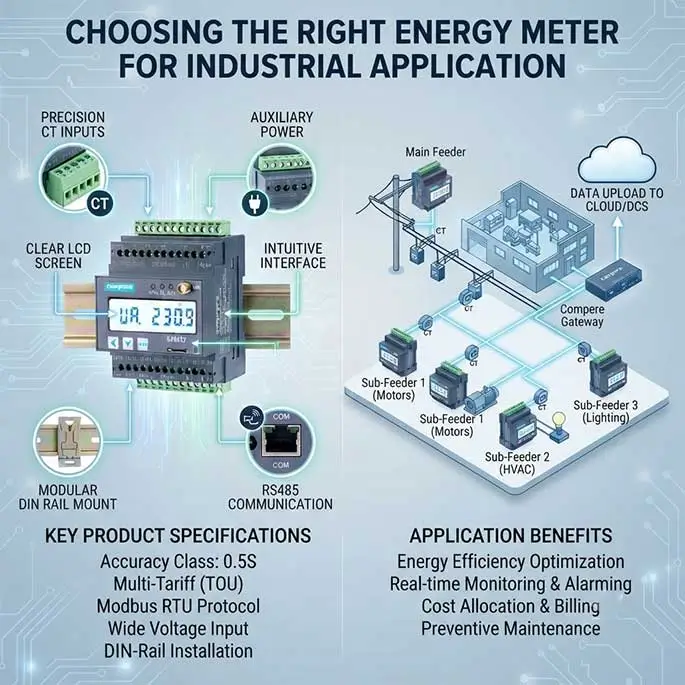
Choosing the right energy meter for an industrial application is essential for accurate energy monitoring, cost control, and efficient power management. However, with different meter types, communication options, accuracy levels, and monitoring requirements available, selecting the right solution can be challenging.
The best industrial energy meter depends on several factors, including the electrical system type, measurement requirements, communication capability, installation environment, and integration with an energy management system. This guide explains the key factors businesses should consider when choosing an energy meter for factories, production lines, and industrial facilities.
What Factors Should You Consider When Choosing an Industrial Energy Meter?
Before selecting an energy meter, industrial users should evaluate their application requirements. The following five factors are critical for choosing the right solution:
- Electrical system type: Determine whether the application requires a single-phase or three-phase energy meter based on the power system.
- Measurement requirements: Identify which electrical parameters need to be monitored, such as voltage, current, active power, reactive power, power factor, and energy consumption.
- Communication capability: Consider whether the meter needs to connect with an energy management system through RS485, Modbus, Ethernet, WiFi, LoRa, or 4G communication.
- Accuracy requirements: Select an appropriate accuracy class according to the purpose of measurement, billing, or energy analysis.
- System integration: Ensure the meter can work with existing industrial automation systems, IoT platforms, or energy management software.
Why Do Industrial Facilities Need Smart Energy Meters?
Traditional electricity meters only provide basic energy measurement, making it difficult for industrial companies to understand where and how electricity is consumed.
Modern industrial smart energy meters provide real-time monitoring and digital communication capabilities, helping companies achieve better energy visibility and operational efficiency.
Common industrial energy management challenges include:
- High electricity costs caused by inefficient energy usage.
- Lack of real-time consumption data for decision-making.
- Difficulty identifying abnormal energy consumption.
- Manual meter reading and delayed reporting.
- Limited ability to analyze equipment energy performance.
Which Type of Energy Meter Is Suitable for Industrial Applications?
Different industrial applications require different types of energy meters. Choosing the correct meter type ensures accurate measurement and reliable energy management.
| Industrial Application | Recommended Energy Meter | Main Purpose |
|---|---|---|
| Factory power monitoring | Three-phase smart energy meter | Monitor overall electricity consumption and production energy usage |
| Distribution cabinet monitoring | Multifunction power meter | Measure electrical parameters and power quality |
| Equipment energy monitoring | Sub-metering energy meter | Analyze individual machine or production line consumption |
| IoT energy management projects | Smart IoT energy meter | Remote monitoring and cloud-based energy analysis |
How to Select the Right Measurement Functions?
Industrial applications often require more than simple electricity measurement. The required functions depend on the purpose of energy monitoring.
Basic Energy Measurement
For simple energy tracking, an energy meter that measures voltage, current, power, and accumulated energy consumption may be sufficient.
Advanced Industrial Monitoring
For factories and large facilities, multifunction energy meters are often preferred because they can monitor:
- Voltage and current
- Active and reactive power
- Power factor
- Frequency
- Energy consumption
- Power quality parameters
What Communication Protocol Should Industrial Energy Meters Support?
Communication capability is one of the most important considerations when selecting an industrial energy meter. A connected meter allows energy data to be collected automatically and integrated into monitoring platforms.
| Communication Method | Application |
|---|---|
| RS485 Modbus | Industrial automation systems and local monitoring networks |
| Ethernet | Large facilities requiring stable network communication |
| WiFi | Commercial and small-scale IoT energy monitoring |
| 4G | Remote locations without wired network infrastructure |
| LoRa | Large-area wireless energy monitoring projects |
How Do Smart Energy Meters Improve Industrial Energy Management?
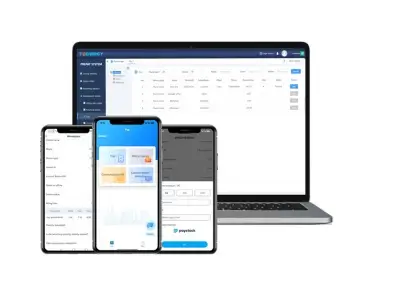
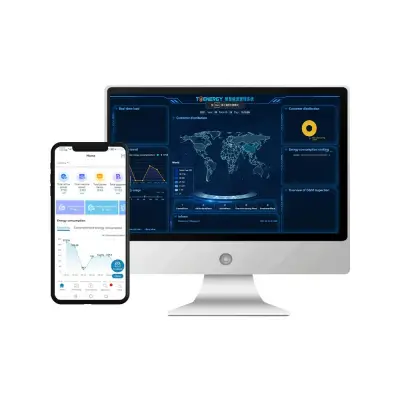
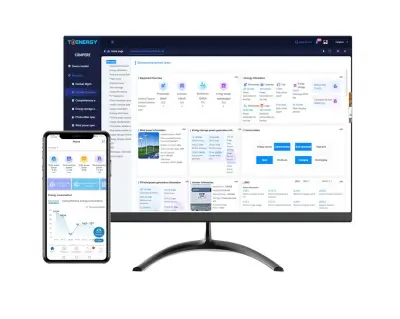
A smart energy meter is not only a measurement device but also an important component of an industrial energy management system.
By collecting real-time electricity data, smart meters help companies:
- Identify energy waste and inefficient equipment operation.
- Optimize electricity consumption during peak demand periods.
- Monitor production line energy performance.
- Improve energy management decisions through data analysis.
- Support IoT-based energy monitoring and digital transformation.
How to Choose an Energy Meter Supplier for Industrial Projects?
Selecting the right supplier is as important as selecting the right meter. Industrial projects require reliable products, technical support, and long-term cooperation.
When evaluating an energy meter supplier, consider:
- Product range: Does the supplier provide single-phase meters, three-phase meters, multifunction meters, and IoT energy meters?
- Customization capability: Can the supplier provide OEM solutions, customized communication options, and firmware adjustments?
- Technical support: Does the supplier provide installation guidance and integration assistance?
- System compatibility: Can the meters integrate with EMS platforms, SCADA systems, or IoT platforms?
Industrial Energy Meter Selection Checklist
| Question | Selection Consideration |
|---|---|
| What power system is used? | Single-phase or three-phase |
| What needs to be measured? | Energy consumption, power parameters, power quality |
| Is remote monitoring required? | Select IoT communication options |
| Does the system require integration? | Check Modbus, Ethernet, or cloud compatibility |
| Is future expansion needed? | Select scalable smart energy solutions |
Why Choose Compere Industrial Energy Meter Solutions?
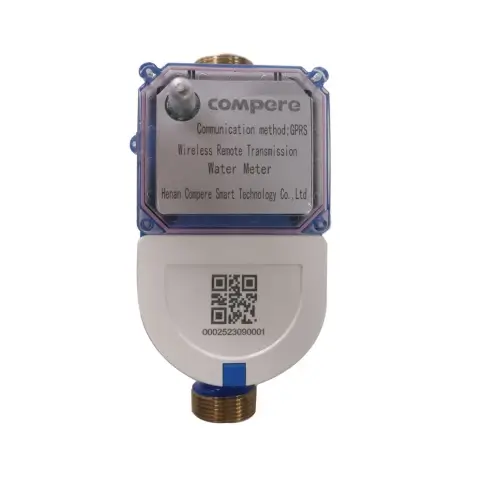
Compere provides smart energy meter solutions for industrial energy monitoring, IoT applications, and energy management systems.
With solutions including three-phase smart energy meters, multifunction power meters, and IoT-enabled monitoring devices, Compere helps industrial customers improve energy visibility, optimize electricity usage, and build smarter energy management systems.
Frequently Asked Questions
What is the best energy meter for industrial applications?
The best energy meter depends on the electrical system, monitoring requirements, communication needs, and application environment. Three-phase smart energy meters are commonly used for industrial power monitoring.
Should I choose a single-phase or three-phase energy meter?
Single-phase meters are suitable for smaller loads, while three-phase energy meters are typically used for factories, industrial equipment, and commercial power systems.
Do industrial energy meters support IoT monitoring?
Yes. Many modern industrial energy meters support communication technologies such as RS485, Modbus, WiFi, LoRa, and 4G for remote energy monitoring.
Why is communication capability important for industrial energy meters?
Communication allows energy data to be collected automatically and analyzed through energy management platforms, improving monitoring efficiency and decision-making.
Can industrial energy meters be customized for different projects?
Yes. Professional energy meter manufacturers can provide OEM customization, communication options, and solutions based on different industrial requirements.
Conclusion
Choosing the right energy meter for an industrial application requires careful consideration of measurement requirements, communication capability, accuracy, and system integration. A suitable smart energy meter can help businesses improve energy monitoring, reduce energy waste, and support long-term energy management goals.
For industrial companies looking to implement reliable energy monitoring solutions, selecting an experienced smart energy meter supplier is the first step toward achieving smarter and more efficient energy management.