1. Challenges faced by traditional energy management systems
Energy management systems (EMS) have become a key tool in modern industrial and commercial environments to optimize energy use, reduce costs, and improve efficiency. With technological advancements and growing energy demands, traditional EMS face the following challenges:
Energy demand is highly volatile: As production activities and climate conditions change, energy demand is highly volatile, requiring more flexible and intelligent management strategies.
Energy price fluctuations: Energy market prices fluctuate frequently, requiring accurate forecasting and optimization of energy procurement strategies.
The complexity of multi-energy systems: including multiple energy forms such as electricity, natural gas, and renewable energy, requires coordinated management and optimization.
Equipment maintenance and failure prevention: Complex equipment systems require efficient maintenance and failure prevention strategies to ensure continuous operation.
Carbon emissions and environmental regulations: With increasing environmental protection requirements, companies need to manage carbon emissions more meticulously to comply with regulatory requirements.
2. Compere AI Model
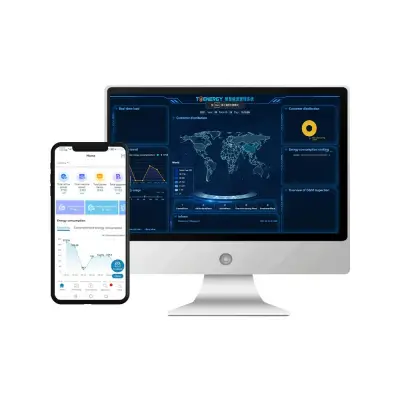
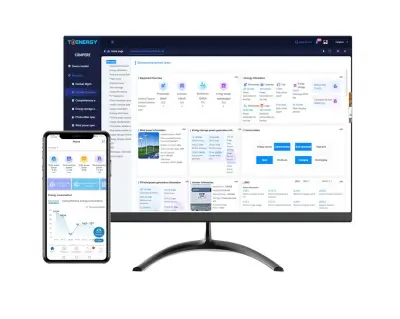
The core of AI is the establishment of algorithms and models. Compere’s energy consumption prediction model was created according to McKinsey’s six-step approach. It has been applied in multiple projects and has received good reviews. The main steps in the establishment process of Kangpai Intelligent’s energy consumption prediction model are as follows:
Step 1 : Identify the problem; identify the main factors affecting energy consumption, including but not limited to output, temperature, environment and other key parameters.
Step 2: Define the problem; determine the main factors affecting energy consumption.
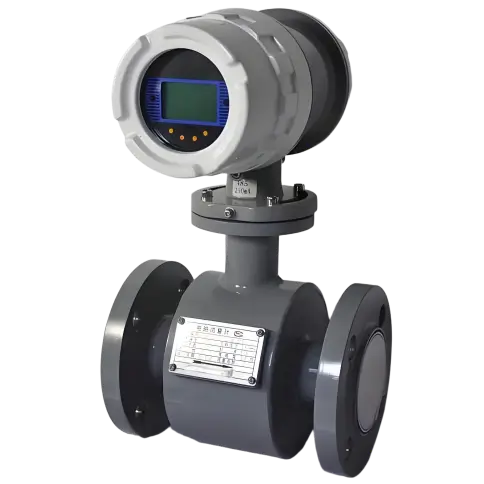
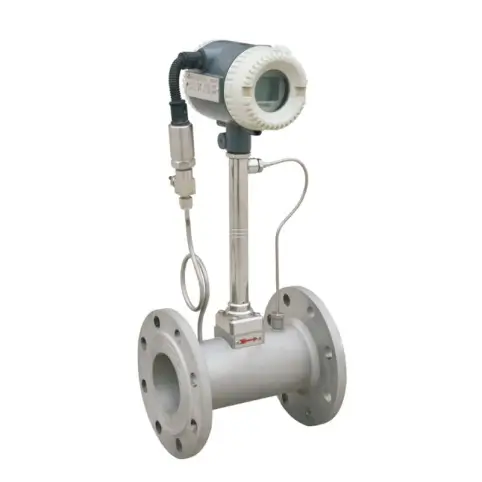
Step 3: Collect data; obtain core data through metering equipment or industrial control system connection;
Step 4: Build a model; use machine learning models such as multivariate regression models, SVM, LGB, and deep learning models such as LSTM, NBeats , and Transformer for training, then use the trained model for prediction and draw the change curve of actual power consumption and predicted energy consumption.
Step 5: Explain the output; evaluate the model through evaluation indicators, cross-validation, residual analysis, learning curves, etc.
Step 6: Communicate results; regularly evaluate optimization results and record changes in energy consumption and cost savings.
3. Other Applications of Compere AI Model
(1) Accurate energy consumption prediction
AI can make high-precision energy consumption forecasts based on historical data, weather forecasts, production plans and other factors, helping companies develop more reasonable energy use and procurement plans and avoid energy waste.
(2) Intelligent demand response
By real-time monitoring and analysis of electricity consumption data, AI can dynamically adjust electricity consumption strategies, respond to demand response signals from the power grid, balance grid loads, reduce electricity costs, and obtain economic incentives from the demand response market.
(3) Fault prediction and predictive maintenance
AI algorithms can analyze equipment operating data, identify potential failure modes in advance, and issue alerts. Predictive maintenance can reduce unplanned equipment downtime and improve equipment reliability and service life.
(4) Optimizing energy use strategies
AI can optimize energy distribution and usage strategies in real time, taking into account multiple factors (such as energy prices, equipment status, and production needs) to achieve optimal energy efficiency. For example, in a multi-energy system, AI can intelligently dispatch grid power, self-generation systems, and energy storage devices.
(5) Energy price forecasting and transaction optimization
AI can analyze energy market dynamics and historical price data, predict future energy price fluctuations, help companies purchase electricity when prices are low, avoid high electricity bills during peak periods, and optimize energy trading strategies.
(6) Carbon emission management and optimization
AI can monitor energy use and carbon emissions in real time , identify high -emission sources, and provide optimization recommendations to help companies achieve carbon reduction targets. It can also simulate the impact of different energy usage strategies on carbon emissions to aid decision-making.
(7) Adaptive control
AI can autonomously adjust energy usage strategies based on real-time and historical data, achieving adaptive control. For example, it can dynamically adjust the operating parameters of an air conditioning system based on environmental factors such as indoor and outdoor temperature and humidity to achieve optimal comfort and energy efficiency.
(8) Virtual power plant management
AI can integrate and optimize distributed energy resources (such as solar, wind, and energy storage systems) to form virtual power plants. Through intelligent scheduling and control, AI can maximize the efficiency of power generation and storage in virtual power plants and enable them to participate in ancillary services markets such as grid frequency regulation.