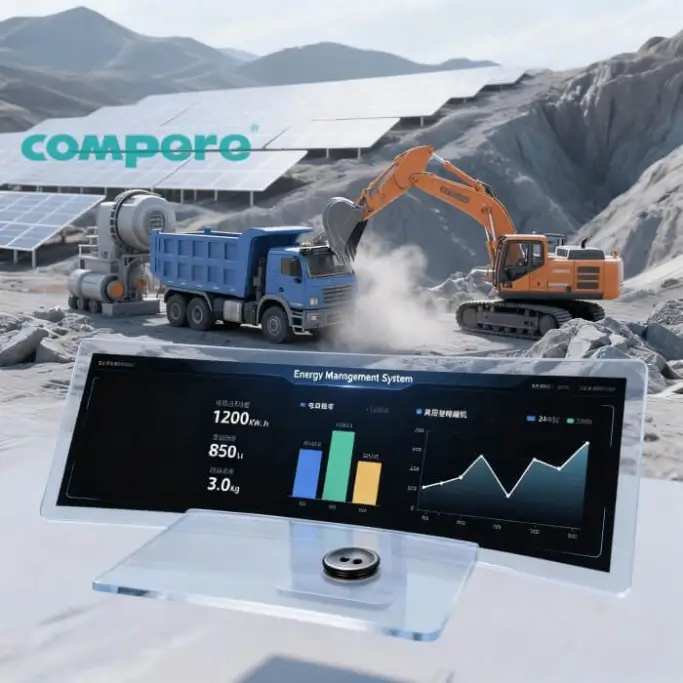
Against the backdrop of the global “dual carbon” goals and energy structural transformation, the energy-intensive and high-emission mining industry faces unprecedented pressure to conserve energy and reduce consumption. Mining operations involve multiple energy sources, including electricity, coal, and water, resulting in high energy consumption and varying energy efficiency. Vast electricity consumption consumes resources, high costs squeeze profit margins, and increasingly stringent environmental regulations create a high bar for compliance.
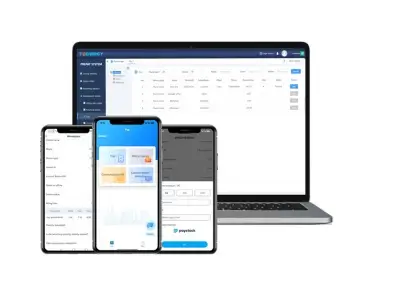
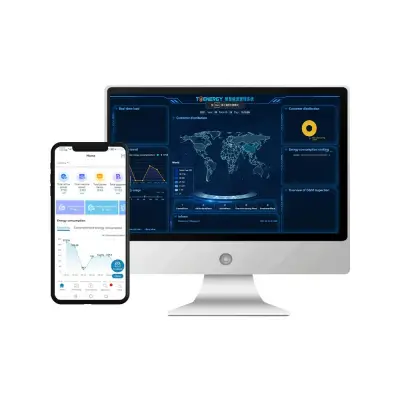
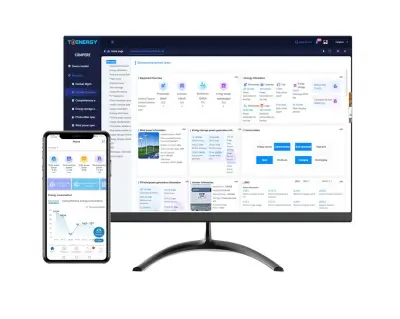
Against this backdrop, energy management systems, with their real-time monitoring, precise analysis, and intelligent control capabilities for energy data, have become a core enabler for mining companies to optimize energy allocation, reduce operating costs, and achieve green development. They precisely monitor the energy dynamics of mine operations, optimize energy consumption, and lay a solid foundation for sustainable development.
Typical Application Scenarios of Energy Management System in the Mining Industry
1. Open-Pit Mining: Precise Energy Consumption Control for Mobile Equipment
In open-pit mines, diesel consumption by mobile equipment such as excavators and dump trucks accounts for 30%-40% of total energy consumption. Traditional management systems make it difficult to accurately calculate the fuel consumption of individual pieces of equipment. A large open-pit iron ore mine implemented an energy management system. By installing GPS positioning terminals and intelligent fuel level sensors on dump trucks, the system collects real-time data such as vehicle trajectories, operating hours, and fuel level changes. The system automatically calculates the fuel consumption per unit of transported goods by each truck using an algorithm, identifying issues such as excessive idling time and unreasonable routes. Based on these analysis results, the company optimized transport routes and established vehicle idling time assessment standards. This ultimately reduced diesel consumption in the open-pit mining sector by 8%, resulting in annual cost savings exceeding 5 million yuan.
2. Underground Mines: Intelligent Energy Saving in Ventilation and Drainage Systems
The ventilation and drainage systems in underground mines are energy-intensive, operating 24/7, and contribute to over 50% of total underground energy consumption. The energy management system at an underground gold mine monitors parameters such as underground gas concentration and water inflow in real time, controlling the number of operating fans and pumps and their speeds. For example, when underground gas concentration falls below a safety threshold, the system automatically reduces fan speed; when water inflow decreases, it shuts down some pump units. Simultaneously, by analyzing the energy consumption curves of the ventilation and drainage systems, the system identified significant waste in the traditional “full-load” operation mode and optimized the operating strategy. After the transformation, the mine’s ventilation and drainage system energy consumption decreased by 15%, saving approximately 3 million kWh of electricity annually.
3. Ore Dressing Plant: Water Recycling and Energy Optimization
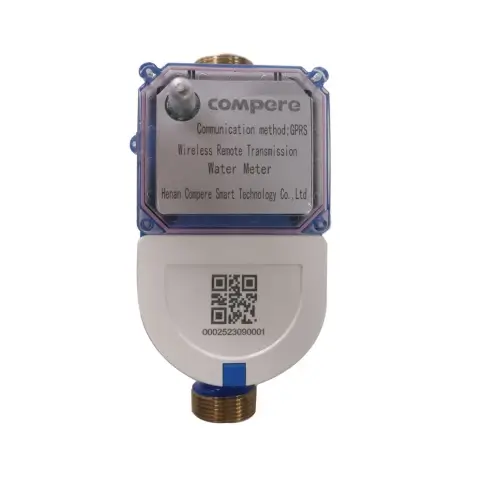
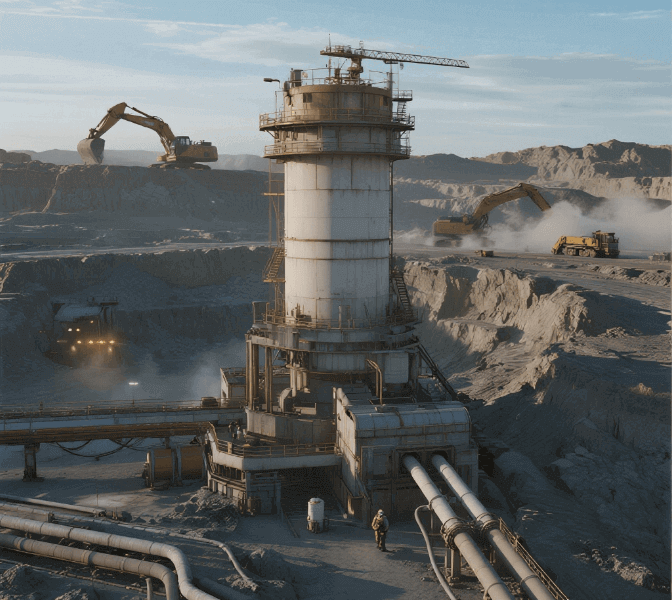
The ore dressing plant is a key component of water and electricity consumption in the mine, involving processes such as crushing, grinding, and flotation. The grinding mill consumes 60% of the plant’s total electricity. After introducing the system into a copper mine’s beneficiation workshop, the system monitored the mill’s current, power, and slurry concentration, established a grinding energy consumption optimization model, and automatically adjusted the feed rate and grinding media ratio, reducing the mill’s unit energy consumption by 10%. The system also monitors the discharge and treatment volume of beneficiation wastewater in real time and controls the operation of circulating water pumps, increasing the wastewater recycling rate from 55% to 75%, saving 200,000 tons of water annually.
Benefits in Mines
Economic Benefits: By reducing energy waste and optimizing equipment operating efficiency, enterprises can significantly reduce energy costs. According to industry statistics, implementing an energy management system in a mine can reduce overall energy consumption by 5%-15%, with large mining enterprises experiencing average annual energy savings of millions or even tens of millions of yuan. Furthermore, the system provides early warning of equipment failures, reducing downtime for repairs and improving production efficiency, indirectly boosting the company’s economic returns.
Environmental Benefits: Reduced energy consumption directly reduces the use of fossil fuels such as coal and diesel, thereby reducing emissions of pollutants such as carbon dioxide and sulfur dioxide. For example, one mine has saved 4 million kilowatt-hours of electricity annually through the system, equivalent to reducing standard coal consumption by approximately 1,280 tons and reducing carbon dioxide emissions by approximately 3,200 tons. Furthermore, the system’s refined water resource management promotes wastewater recycling, reduces wastewater discharge, and helps mining companies achieve their goal of becoming “green mines.”
In terms of management benefits: The system transforms the traditional “post-event statistics” model into a closed-loop management model of “pre-event prevention, in-event control, and post-event analysis,” enhancing the refinement of the company’s energy management. Through standardized energy consumption reporting and assessment systems, energy conservation responsibilities across departments are clearly defined, stimulating employee enthusiasm for energy conservation. Furthermore, the energy consumption data accumulated by the system provides a reliable basis for the company to formulate long-term energy conservation plans and respond to environmental regulations, thereby enhancing its market competitiveness.
As a core tool for the mining industry’s digital transformation and green development, it not only help companies reduce energy costs and improve management efficiency, but also facilitate the industry’s transition from high energy consumption and high emissions to high efficiency and low emissions. With the continuous advancement of technology, it will play a more important role in the entire mining industry chain, driving the mining industry towards a more intelligent, low-carbon, and sustainable future.