
In the management of modern long-term rental apartments and commercial apartments, electricity bill management accounts for over 40% of daily maintenance efforts. Difficulty in collecting electricity fees remains a major pain point for property management companies and landlords. The traditional “use first, pay later” model not only carries the risk of unpaid bills, but manual meter reading is also time-consuming and labor-intensive.
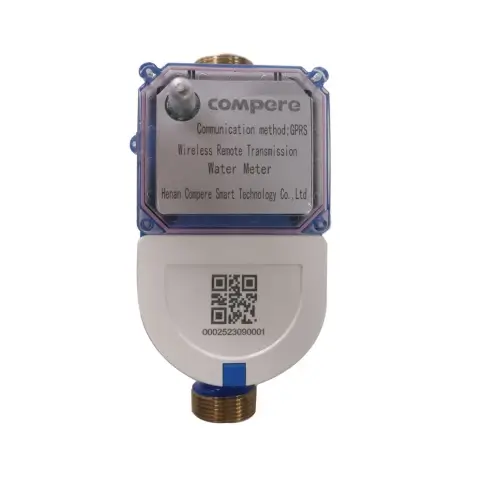
With the development of Internet of Things (IoT) technology, smart prepaid electricity meters have become standard equipment in apartments. They not only realize “prepaid bills, use later,” but also solve the closed loop of electricity safety and management through a series of core functions.
Why Does Apartment Management Need Prepaid Electricity Meters?
Traditional electricity bill management models suffer from high labor costs, large data errors, and slow capital recovery. Prepaid electricity meters, through the “prepaid bills, use later” logic, directly solve the following pain points:
Avoiding the risk of unpaid bills: Automatic power cut-off when balance is insufficient forces tenants to pay proactively, achieving zero financial risk.
Reducing labor costs: No need for manual meter reading; the system automatically calculates electricity fees.
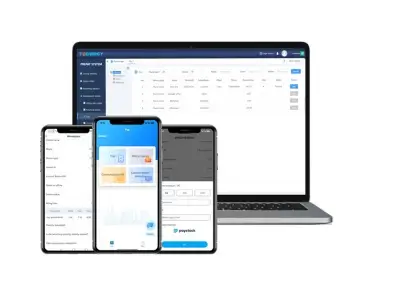
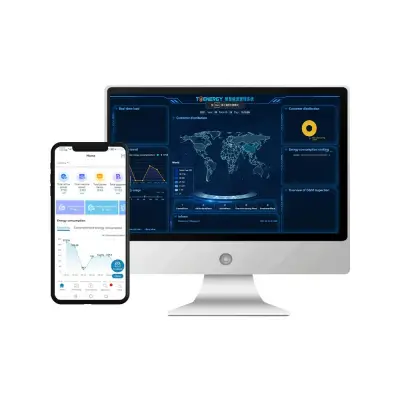
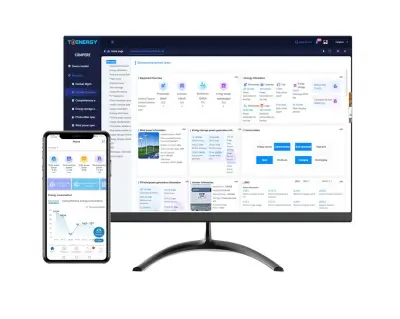
Transparent Operation: Tenants can check their electricity consumption and balance in real time via a mobile app or mini-program, reducing rental disputes.
Core Technology Breakthrough: What is “Network Resumption of Service”?
In the past, many smart meters heavily relied on WiFi or 4G networks. Once the apartment network fluctuated or the base station under maintenance, the meter would “disconnect” from the management backend, leading to the following awkward situations: Tenants had prepaid, but the meter couldn’t receive a signal, resulting in delayed power supply.
After the meter tripped, the management backend couldn’t remotely restore power.
Data loss caused difficulties in financial reconciliation.
The Working Principle of Network Resumption of Service
Network resumption of service refers to the meter’s built-in high-performance storage chip and logic processing unit. When a communication network interruption is detected:
Local Storage: The meter automatically stores the current electricity consumption data and deduction information locally.
Preset Logic Operation: Even during a network outage, the meter will still deduct fees according to the preset unit price and determine whether to trip based on the balance, without affecting the tenant’s normal use.
Automatic Data Retransmission: Once the network is restored, the meter will automatically synchronize the data from the “network outage” to the cloud server every 15 minutes, ensuring that the backend bill is completely consistent with the actual electricity consumption.
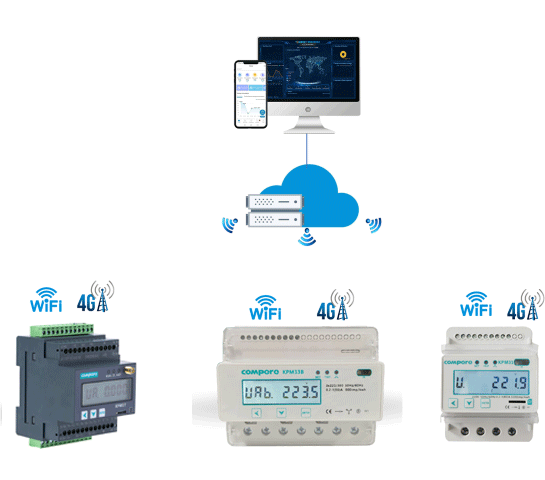
In-depth Analysis: What if the meter suddenly loses internet access?
Many landlords and tenants worry: “If the internet goes down, will my prepaid money still be credited to my account? Will the meter cut off power because of the lack of internet?” To address these anxieties, the smart prepaid system has a comprehensive emergency logic:
Uninterrupted Power Supply: As long as there is still a balance in the tenant’s meter, the meter will continue to supply power normally even if the meter is disconnected from the backend. Network outages will not cause “false tripping.”
Local Predictive Power Control: Key power control logic (such as automatic tripping due to insufficient balance) is usually stored locally on the meter. Even in a network outage, if the balance is exhausted, the meter can still execute a power cut-off based on local instructions to prevent unpaid bills.
Recharge “Reissue” Mechanism: If a tenant recharges via mobile phone during a network outage, although the meter cannot receive the command in real time, the command is stored on the cloud server. Once the network is restored, the command is immediately issued, and the meter executes it within seconds.
Offline Emergency Power Restoration: For extreme situations, some advanced systems allow landlords with administrator privileges to manually operate the system on-site via Bluetooth or offline authorization codes, ensuring that tenants can still have their power restored in an emergency during a network outage.
Other Important Features of Apartment Prepaid Meters
In addition to powerful network outage handling capabilities, a mature apartment power control system also has the following advantages:
1. Remote Instant Recharge and Inquiry
Tenants can directly check their real-time balance through a WeChat mini-program or app. This “recharge as you go” model eliminates the hassle of property management handling recharges, and funds go directly into the manager’s account, achieving financial automation.
2. Flexible Electricity Pricing and Shared Cost Settings
The system supports setting time-of-use pricing (peak and off-peak) to encourage tenants to use electricity during off-peak hours. Meanwhile, electricity costs generated in common areas such as corridors and elevators can be automatically allocated to each household’s balance proportionally through system settings, ensuring a transparent and open settlement process and reducing disputes.
3. Automatic Early Warning and Reminder
The system has a comprehensive notification mechanism. When the electricity bill falls below a set threshold (e.g., 10 kWh remaining), the system will automatically send a reminder to tenants via SMS or WeChat, avoiding inconvenience caused by sudden power outages.
Conclusion
The application of prepaid electricity meters in apartments is not only a change in payment methods but also a crucial part of the digital transformation of apartments. It solves three major problems: difficulty in collection, numerous security risks, and high communication costs. In particular, the ability to resume data transmission even after network outages and comprehensive offline protection provides a final layer of insurance for apartment management, making technology management truly “seamless and reliable.”
For more detailed information about prepaid electricity meters, please refer to the article: