
With the development of building intelligence, electricity metering is no longer just a simple data collection task, but has become a crucial core for smart building system management, energy-saving operation, and safety protection. The application of smart power meters in integrated building systems makes building energy consumption transparent and visible, and energy dispatch more efficient, bringing significant safety value and cost benefits to enterprises and property managers.
I. Smart Power Meters Enhance Building Operation Safety
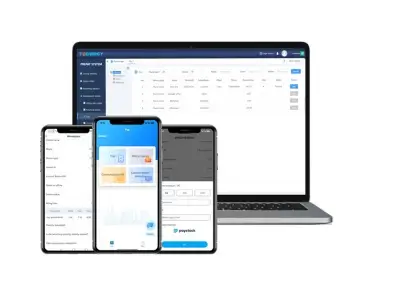
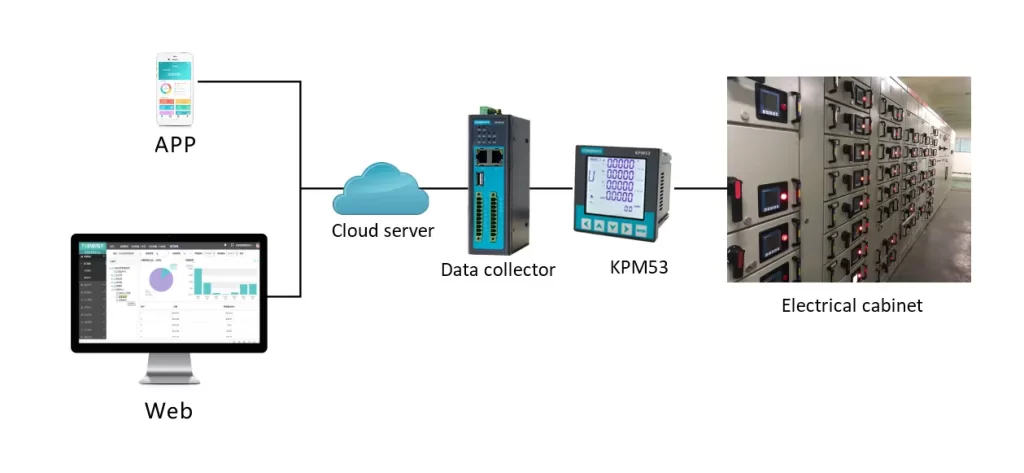
In a smart building platform, power meters are linked with the backend system to achieve real-time monitoring, analysis, and alarms. These technological applications significantly improve the safety level of the power system:
1. Real-time Monitoring, Reducing Safety Hazards
Smart power meters can continuously collect key indicators such as current, voltage, and power quality. Once abnormal fluctuations occur, maintenance personnel can be notified immediately, preventing risks such as equipment burnout and line overload.
2. Remote Power Cut-off Function, Reducing Human Risk
Property managers can remotely cut off power through the backend, preventing unauthorized power use and overload operations, and avoiding fire accidents.
3. Strong Data Recording and Traceability
Smart power meters store complete electricity consumption data, which helps in accident analysis, liability determination, and subsequent technical adjustments, forming a closed loop for safety management.
II. Smart Power Meters Make Buildings More Energy Efficient
Energy costs are a significant expense in building operations. The addition of smart meters makes energy conservation an executable, quantifiable, and sustainable management outcome.
1. Refined Zonal Metering
Smart buildings often contain various load types, such as office areas, commercial areas, parking lots, and air conditioning systems. Zonal metering allows for the identification of high-energy-consuming areas and the development of energy-saving strategies.
2. Electricity Consumption Trend Analysis
Smart power meters provide electricity consumption curve analysis, guiding businesses to avoid peak demand and reduce peak-hour pressure and additional costs.
3. Equipment Energy-Saving Optimization and Control
Mice linked to energy management systems can achieve voltage optimization, energy-saving mode control, and intelligent load start/stop, achieving energy conservation at the building structure level.
III. Reduced Operating Costs and Long-Term Savings
Smart power meters not only save energy but also directly help businesses reduce operating costs and increase profitability.
1. Transparent Electricity Billing, Preventing Waste
A precise billing and allocation system clarifies the electricity responsibilities of tenants, property management, and businesses, completely resolving the waste caused by traditional “extensive billing.”
2. Reduced Operation and Maintenance Costs
Remote maintenance, fault prediction, and data analysis reduce the frequency of manual inspections and repairs, lowering overall operation and maintenance costs.
3. Rational Energy Planning
Smart building meter systems encourage businesses to establish energy budgeting systems, avoiding wasteful grid construction investment due to disorderly expansion.
IV. Rich Smart Integration Scenarios
Smart power meters can be combined with multiple smart building systems to achieve multi-dimensional management:
Typical integrated systems include:
- Building Management System (BMS)
- Smart Lighting System
- HVAC System
- Fire Protection and Security System
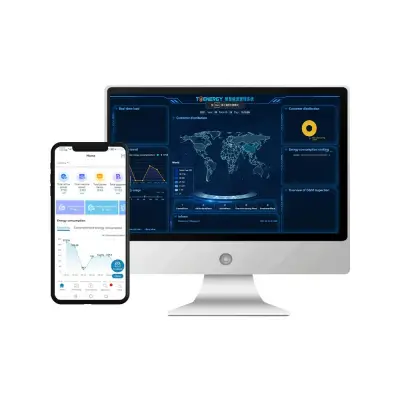
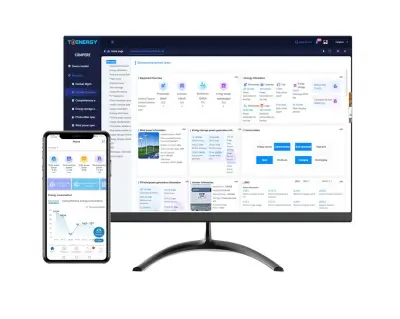
- Energy Management Platform (EMS)
These interconnected applications constitute a complete digital energy ecosystem, helping buildings achieve efficient, safe, and green operation.
V. Conclusion: The Value of Smart Power Meters in the Future Development of Buildings
Smart power meters have evolved from traditional metering devices into crucial nodes in the intelligent brain of buildings. Their role in smart building integration extends beyond metering; they also:
Protect building electrical safety
Support energy conservation and emission reduction systems
Create real cost advantages for enterprises
With the development of the Internet of Things, AI, and power data networks, smart power meters will continue to drive building energy management into a more refined and automated era.