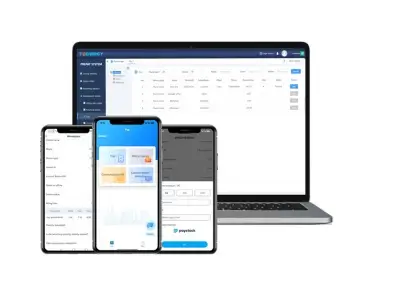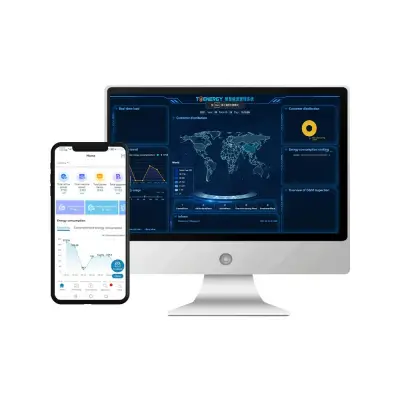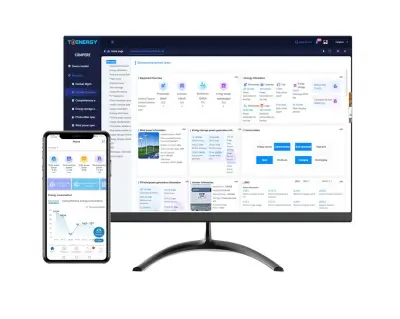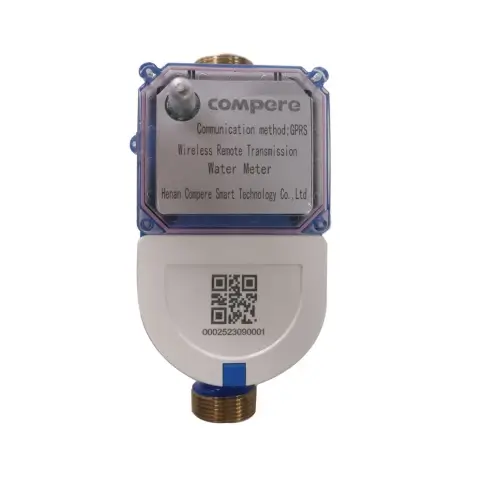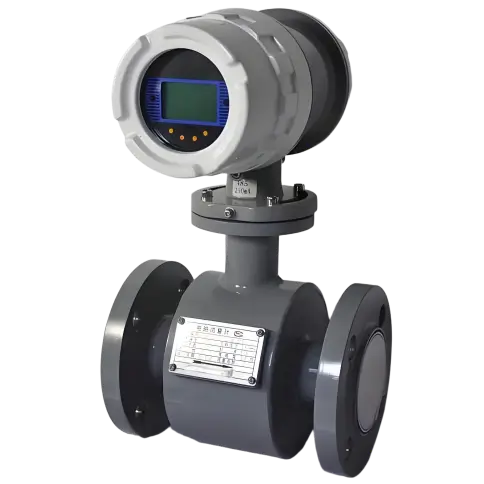
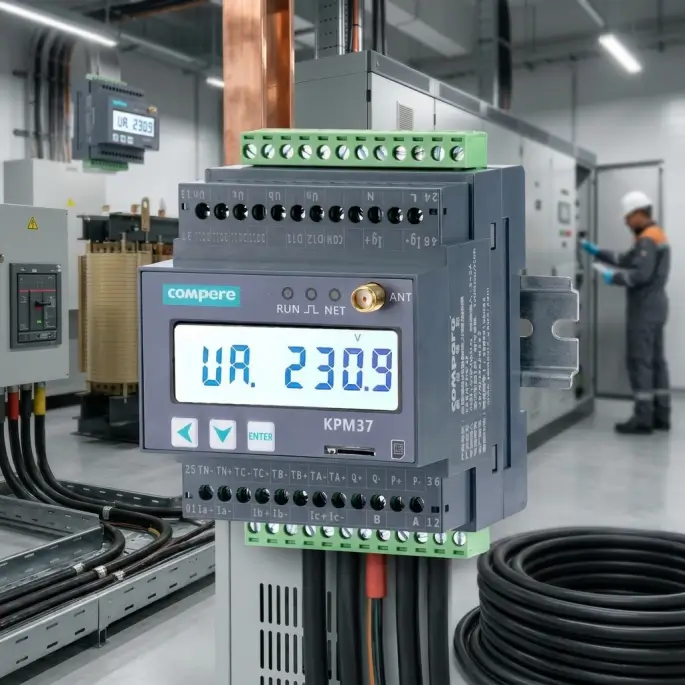
In the wave of the energy internet, electrical equipment service providers are facing a strategic transformation from “selling products” to “selling services.” As the forefront of power data collection, the application of smart meters has permeated the entire lifecycle of solution design, equipment delivery, after-sales operation and maintenance, and value-added services.
Core Pain Points in the Industry: Why is it Necessary to Introduce Intelligent Solutions?
Traditional electrical equipment service providers often face the following three major challenges:
Black-box Operation: Unable to monitor the operating status of terminal equipment in real time, resulting in delayed fault warnings, often only intervening after a power outage or burnout.
Lack of Energy Efficiency Analysis: Customers cannot quantify the energy-saving effect of equipment, lacking accurate energy consumption data, leading to unconvincing energy-saving renovation solutions.
Homogeneous Competition: Pure hardware sales profits are diluted, lacking digital premium pricing power.
Core Business Transformation Brought by Smart Meters
1. Fault Warning and Status Monitoring
Traditional power distribution systems rely on manual inspections, which are not only costly but also have blind spots. Smart meters can monitor current, voltage, frequency, and harmonic content in real time.
Anomaly Detection: They can identify latent fault signs such as voltage fluctuations or excessive harmonics.
Rapid Response: Once overload or leakage is detected, the system can immediately push alarms to mobile devices, transforming reactive repair into proactive prevention.
2. Refined Energy Management and Energy Consumption Breakdown
Electrical service providers can help businesses perform “secondary/tertiary itemized metering” by integrating high-precision smart meters.
Cost Accounting: Calculating the specific electricity costs for each production line and each transformer for clients.
Energy Saving Potential: Identifying loss points such as equipment standby power consumption and ineffective operation, providing clients with scientific energy-saving retrofit suggestions (such as inverter upgrades or capacitor reactive power compensation).
3. Power Quality Optimization (PQM)
For industries such as semiconductors, textile precision instruments, and medical devices, even minor deviations in power quality can lead to the scrapping of entire batches of products.
Harmonic Mitigation: Harmonic data recorded by smart meters is a key basis for configuring Active Power Filters (APFs).
Power Surge Monitoring: Recording voltage drop events ensures continuous production of precision equipment.
Five Core Concerns for Customers
As a service provider, when promoting solutions to end customers (such as factory managers and property managers), you should focus on addressing the following concerns:
| Customer Concerns | Solutions & Value |
|---|---|
| Is installation complex? | Modern smart meters often use DIN-rail mounting or split-core current transformers (CTs), requiring no power interruption or major modifications to existing wiring. |
| How is data security? | Encrypted communication protocols (e.g., Modbus TCP/RTU, MQTT) are used, supporting local server deployment or secure cloud-based encrypted storage. |
| Return on Investment (ROI)? | By optimizing peak-to-valley power usage, identifying energy waste, and reducing downtime losses, the digital transformation cost is typically recovered within 6-12 months. |
| System compatibility? | Smart meters feature standard interfaces, allowing easy integration with existing or third-party energy cloud platforms. |
| Is the operational threshold high? | Accompanying visualization dashboards transform complex electrical terminology into intuitive line charts and pie charts, making power reports understandable even for non-professional electricians. |
The Future of the Industry: From “Monitoring” to “Asset Management”
The deep application of smart meters will drive electrical equipment service providers to transform into energy management experts.
The electrical systems of the future will no longer be cold metal cabinets, but intelligent entities with “digital twin” mirror images. Through the massive amounts of data transmitted from meters, service providers can provide customers with monthly energy efficiency diagnostic reports and even participate in demand-side response, helping companies obtain grid incentive compensation during peak electricity consumption periods.
Conclusion
Smart meters are the best entry point for electrical equipment service providers to enter the Industrial Internet. They give equipment the ability to “speak,” making services perceptible and quantifiable. In future market competition, whoever controls the data will control the customers.