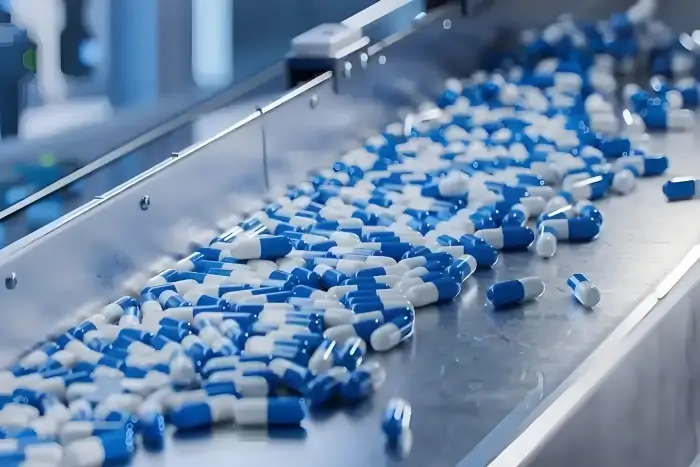
The pharmaceutical industry is a typical high-energy-consuming, high-standard industry, with a high dependence on energy and strict management requirements. The application of energy management systems (EMS) in the pharmaceutical industry goes beyond energy conservation and consumption reduction to encompass production stability, regulatory compliance, and intelligent transformation.
1. Pain Points in Energy Management in the Pharmaceutical Industry
Complex Energy Consumption Structure
The pharmaceutical production process involves high-energy-consuming equipment such as constant temperature and humidity control, purified water systems, air compression systems, refrigeration stations, and boilers.
The various energy sources (electricity, water, steam, natural gas, and compressed air) are dispersed, making management difficult.
Strict Regulations and Compliance Requirements
Drug production must comply with GMP (Good Manufacturing Practice) and environmental regulations, placing extremely high demands on environmental conditions and energy stability.
Energy data must be traceable and auditable.
Energy Cost Pressure
In the industry, energy costs generally account for 15% to 30% of production costs.
Low energy efficiency, redundant equipment, and energy waste are common.
Insufficient Digitalization
Traditional management relies on manual meter reading and empirical experience, lacking refined, real-time monitoring and optimization methods.
2. The Application Value of Energy Management Systems in the Pharmaceutical Industry
Energy Visualization and Refined Management
Establish a monitoring system for electricity, water, steam, natural gas, and other energy sources to enable real-time energy collection, analysis, and display.
Calculate energy consumption by workshop, process, and equipment, supporting cost allocation and benchmarking analysis.
Ensuring the Production Environment and Product Quality
Real-time monitoring of the energy efficiency of the constant temperature and humidity system ensures a stable environment in pharmaceutical workshops (especially clean areas).
Set early warnings for key energy equipment to prevent energy anomalies from causing drug quality risks.
Energy Optimization and Cost Control
Optimize energy scheduling (such as intelligent control of refrigeration fleets) through load forecasting and energy usage trend analysis.
Energy efficiency diagnosis of utility equipment such as steam and compressed air, providing recommendations for energy-saving improvements.
Compliance and Audit Support
The system automatically generates energy usage reports to meet GMP audit and environmental protection reporting requirements.
Retain historical energy data for traceability and data integrity.
Promoting Green Factories and ESG Development
Support energy conservation and emission reduction goals and achieve carbon emissions accounting through data-driven energy management. Enhance the competitiveness of enterprises in green certification and sustainable development.