
As the carbon price in the national carbon market exceeded the ¥100 for the first time, the activity of the carbon trading market and the expectations of both parties for future carbon prices are also increasing.
This trend reflects the joint effect of policy and market factors, especially the release of the “Opinions on Promoting the Gradual Shift from Dual Control of Energy Consumption to Dual Control of Carbon Emissions” and the “Interim Regulations on the Management of Carbon Emission Rights Trading”, as well as the signal of the expansion of the national carbon market industry. The rise in carbon prices is related to factors such as policy expectations after the “dual carbon” goals were proposed, the increased difficulty of emission reduction, and the adjustment of quota allocation plans. At the same time, when demand is strong, if the allocation of carbon emission quotas is tightened, carbon prices will naturally rise.
For enterprises, the rise in carbon prices means an increase in carbon emission costs , and the pressure to reduce emissions will also increase. In order to meet this challenge, enterprises need to be more proactive in emission reduction, establish a carbon emission management system, and implement the concept of the entire life cycle to continuously increase the activity of the carbon market . Against this background, the demand for dual carbon management systems by enterprises will also increase significantly. Dual carbon management systems can help enterprises monitor, account for and report carbon emissions, formulate emission reduction targets and strategies, and manage and trade carbon assets . By establishing a carbon management system, enterprises can improve the accuracy and transparency of carbon emission data, better fulfill their social responsibilities, and also help reduce their operating costs and risks.
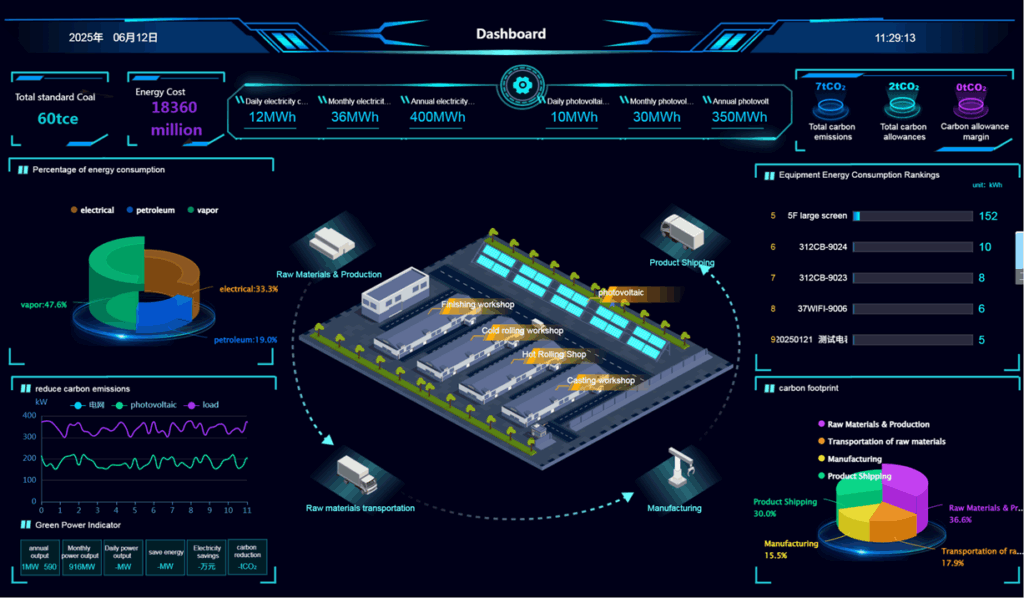
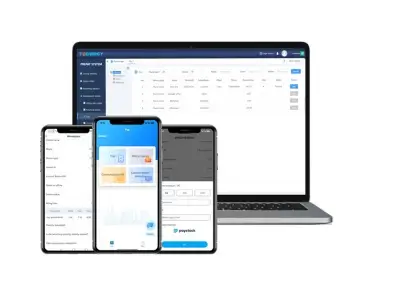
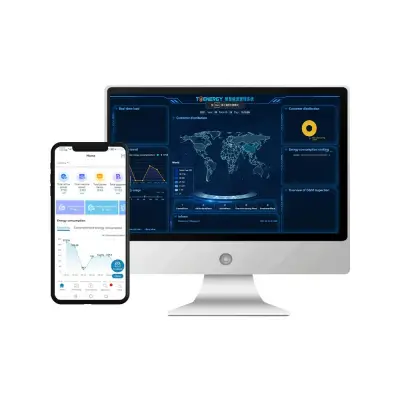
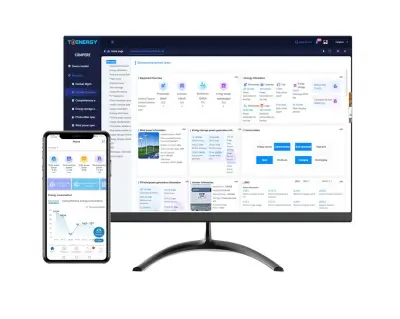
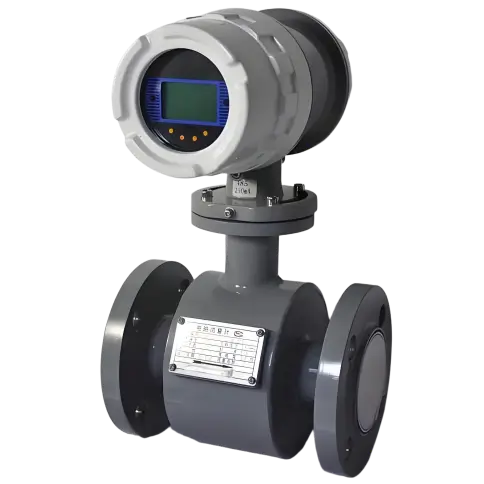
Compere Enterprise Dual Carbon Smart Management Platform can comprehensively manage and analyze the trend of various energy data such as coal, oil, gas, water, electricity, photovoltaics, energy storage, etc. of enterprises, and use big data, cloud computing, edge computing and Internet of Things technologies to cluster, clean and analyze the collected data, establish an enterprise-wide carbon asset management model, realize the centralized control of enterprise carbon asset information and systematic management of carbon assets , reduce equipment operating costs, and improve energy efficiency.
Therefore, enterprises should actively introduce dual carbon management systems and strengthen the management and control of carbon emissions to adapt to the changes and challenges of the carbon market and achieve the goal of sustainable development.