
In today’s university operations, energy management, especially electricity management, is becoming an increasingly serious challenge. With the increasing number of electronic devices and diversified electricity demands among students, the traditional “pay-later” or “fixed-rate allocation” models not only lead to huge energy waste but also frequently cause fee disputes between students and the university.
As a university administrator, are you looking for a smarter, fairer, and more efficient solution? A prepaid system (commonly known as “buy now, use later”) is the answer you need.
What is a University Electricity Prepaid System?
A university electricity prepaid system is an intelligent management system that mimics the commercial electricity usage model. Its core logic is “pay first, use later.” The university installs smart meters in each dormitory or room, and students pre-purchase a certain amount of electricity through online payment, campus card top-ups, etc. When the pre-paid electricity is about to run out, the system will issue a warning, reminding students to top up in time; otherwise, the power will be automatically cut off.
This is not just a billing tool, but a comprehensive energy management platform integrating metering, monitoring, billing, and control.
Why do universities urgently need to introduce prepaid systems? Four core advantages:
1. Significantly promotes energy conservation and consumption reduction, building a green campus.
Student behavior changes: When electricity consumption is directly linked to personal expenses, students will proactively develop habits of saving electricity, such as turning off lights when leaving the dormitory and turning off unused appliances.
Eliminates the “lights left on” phenomenon: This fundamentally solves the energy waste problem caused by “shared costs,” saving the university a significant amount of electricity expenses and contributing to the “carbon neutrality” goal.
2. Achieves absolute fairness in electricity use and resolves dormitory conflicts.
More use, more payment; less use, less payment: Students who use more electricity pay more, while those who use less enjoy lower rates, achieving absolute allocation based on need and fair consumption.
Clear and transparent: Students can check their electricity consumption and balance at any time. All data is clear at a glance, avoiding internal dormitory conflicts and complaints about school management caused by uneven electricity cost sharing.
3. Significantly Reduces Management Burden and Improves Operational Efficiency
Automated Billing: The system automatically handles billing, deductions, and power outage/restoration operations. Financial staff no longer need to manually read meters or collect payments, saving substantial manpower costs.
Online Operation: Students can easily and quickly recharge via a mobile app or campus portal. Administrators can also remotely monitor electricity usage across the entire campus.
4. Enhances Electrical Safety and Eliminates Safety Hazards
Power Load Identification: The advanced prepaid system allows setting maximum power consumption in dormitories. When students use unauthorized high-power appliances (such as immersion heaters or electric stoves), the system automatically alarms or cuts off power, technically eliminating fire hazards.
Electricity Data Analysis: The backend system can analyze abnormal electricity usage patterns and promptly identify potential safety risks.
Key Components of a Prepaid System
A complete prepaid system typically includes:
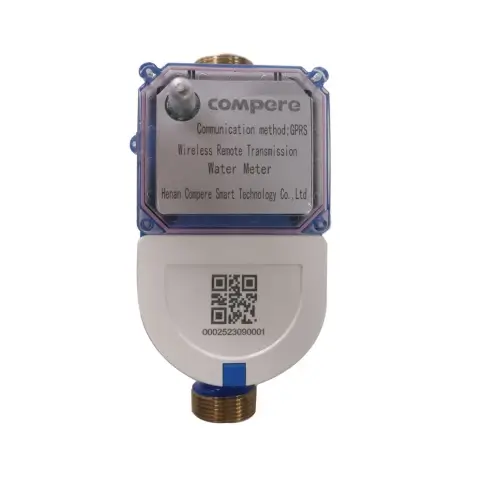
Smart Prepaid Meters: Core hardware with remote on/off, data acquisition, and load control functions.
Data Concentrator/Gateway: Responsible for collecting data from each meter and uploading it to the management center.
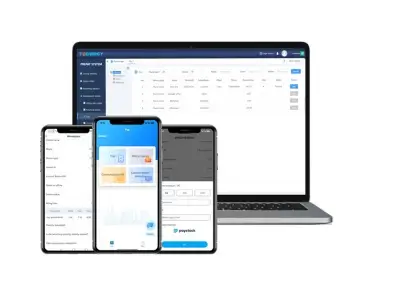
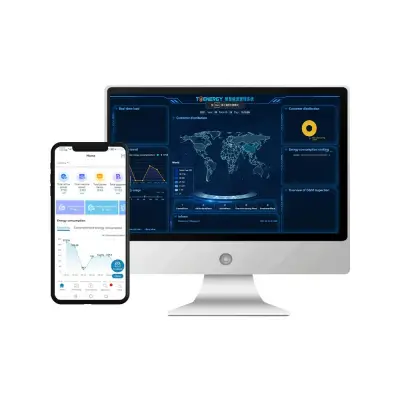
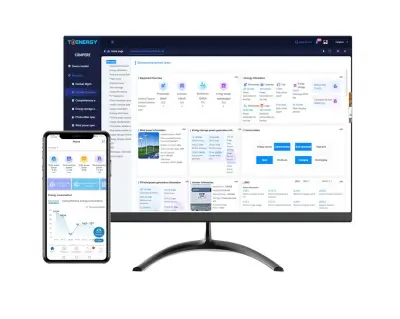
Backend Management Software: The “brain” for user management, rate setting, bill generation, data analysis, and system monitoring.
User Interaction Platform: Provides students with access to recharge and inquiries, such as mobile apps, WeChat mini-programs, and self-service terminals.
Key Steps for Successfully Implementing a Prepaid System
Requirements Analysis and Solution Design: Clarify management objectives: Is it purely commercial charging, or does it focus on energy conservation and security? Design the rate structure and system functions accordingly.
Selecting a Suitable System Vendor: Examine the vendor’s technical strength, successful case studies, and after-sales service capabilities.
Hardware Installation and System Integration: Deploy smart meters and seamlessly integrate the system with the campus card system, financial system, etc.
Promotion and Student Communication: Before implementation, fully explain the system’s purpose, advantages, and usage methods to students to gain their understanding and support; this is crucial for project success.
Operation, Maintenance, and Continuous Optimization: After system launch, continuously monitor its operational status, collect feedback, and continuously optimize strategies.
Addressing Potential Challenges: How to get students to accept the system willingly?
The implementation of any new system may encounter resistance. The key lies in communication and human-centered design:
Emphasis on fairness and autonomy: Highlight the “fairness” and “consumption autonomy” provided by the system.
Setting reasonable subsidies or basic limits: The school can provide each student with a certain amount of free basic electricity per month, reflecting humanistic care.
Providing convenient early warning and recharge services: Ensure low battery reminders are timely and prominent, and offer diverse and accessible recharge channels.
Establishing efficient customer service channels: Establish a rapid response mechanism to handle student inquiries and fault reports.
Conclusion
Introducing a prepaid system is far more than just a change in payment methods; it represents a profound transformation in the philosophy of university electricity management. It transforms students from passive energy consumers into active participants; and liberates the school from tedious collection and management tasks to efficient operational oversight.
This is a decision invested in the future—it not only brings considerable economic returns in the short term but also cultivates students’ energy-saving and environmental awareness in the long run, promoting the construction of smart and green campuses.