With the promotion of smart cities and smart grids, more and more residential communities, dormitories, shops, and industrial parks are using prepaid electricity meters. This “pay now, use later” model not only facilitates management but also helps users better understand their electricity usage and avoid overdue bills. So, how do prepaid electricity meters actually work?
Main Components of a Prepaid Electricity Meter
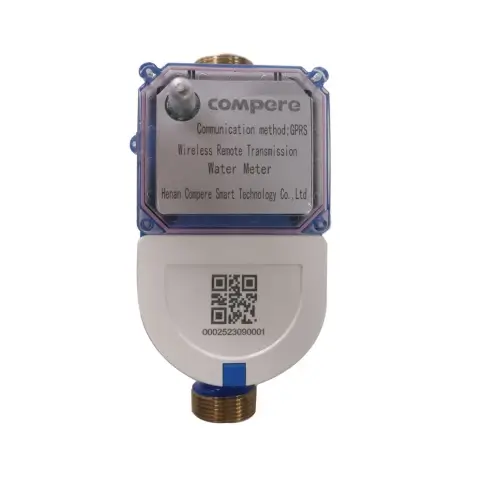
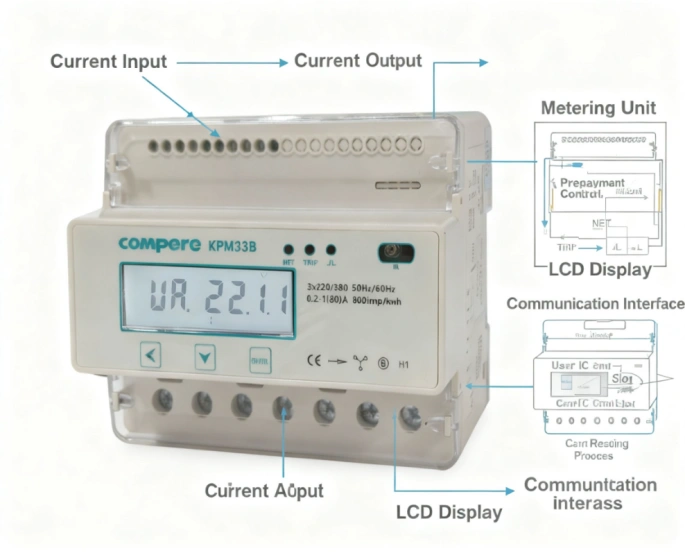
A prepaid electricity meter typically includes the following key modules:
Metering Module: Collects current, voltage, and other parameters in real time to calculate actual electricity usage.
Control Module: Determines whether to supply power based on the remaining battery level and automatically shuts off power when the remaining balance is depleted.
Display Module: Provides information such as remaining battery level, power usage, electricity prices, and alarm notifications.
Communication Module: Enables top-up and data transmission, connecting to a cloud platform via wireless networks (such as NB-IoT, 4G, and Wi-Fi).
Relay Control Unit: Executes “power on” and “power off” commands and is the core actuator of the meter’s control functions.
Workflow Of Prepaid Electricity Meter
Using a mobile app-based prepaid electricity meter as an example, its operating principles are as follows:
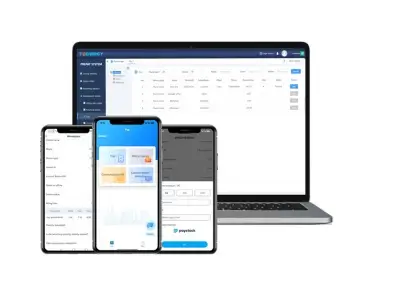
Online Recharge: Users select their room number or meter ID through the mobile app or WeChat mini-program, complete payment, and the recharge information is automatically uploaded to the cloud management platform.
Data Synchronization: The system sends recharge data to the meter in real time, and the meter automatically updates the balance, eliminating manual operation.
Automatic Metering and Deduction: The meter calculates electricity usage in real time and automatically deducts the balance according to the set electricity price.
Low Battery Reminder: When the remaining battery level falls below a set threshold, the app sends a push notification or text message reminding the user to recharge immediately.
Power Failure Protection: If the user fails to recharge in time, the meter automatically shuts off when the battery is depleted, preventing overdue payments.
Recharge and Restore: After the user recharges through the app, the meter automatically restores power and resumes normal use.
Compared to traditional IC card-based electricity meters, the app-based prepaid system eliminates the card swipe process, enabling online payment and remote activation, making it more intelligent and convenient.
Intelligent Upgrade: Remote Prepaid System
With the widespread adoption of IoT technology, prepaid electricity meters have gradually evolved into remote smart prepaid systems.
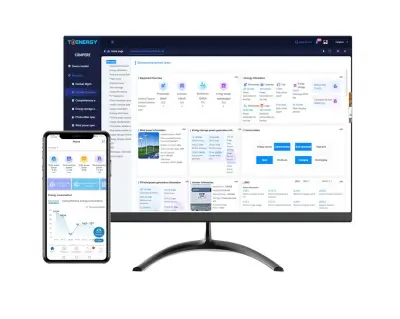
This system connects the meter to a management platform via a wireless network, enabling the following functions:
Online top-up via mobile app/WeChat: Users can pay anytime, anywhere without having to visit the site or use an IC card.
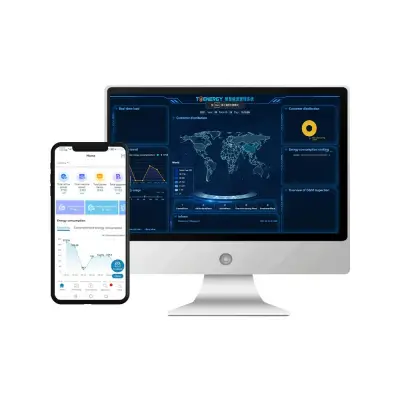
Remote meter reading and monitoring: Power suppliers can access real-time electricity usage data without the need for on-site visits.
Electricity Usage Analysis and Tiered Pricing: The system automatically calculates electricity consumption and flexibly implements time-of-use or tiered pricing.
Anomaly Alerts: The system automatically notifies administrators of abnormal voltage, overload, or power outages.
This intelligent approach makes electricity management more efficient and user-friendly.
Conclusion
Prepaid electricity meters, centered on the concept of “pay first, use later,” combine electronic metering and intelligent control technologies to provide an efficient, secure, and transparent solution for modern power management. With the further development of 5G and the Internet of Things, future prepaid electricity meters will be more intelligent, supporting cloud management, energy consumption analysis and multi-energy integrated billing, allowing electricity management to truly enter the “smart era”.