If your project still uses a solution of “one distribution cabinet with dozens of single-phase meters,” it faces not only complex wiring, high costs, and data silos, but also significant headaches in later maintenance.
The emergence of multi-circuit meters solves this problem. It is quietly disrupting the traditional distributed measurement model, becoming a key sensing layer device for building smart grids and the Internet of Things for energy.
What is a Multi-Circuit Energy Meter?
A multi-circuit energy meter, as the name suggests, is a smart meter capable of simultaneously and independently measuring the electrical parameters of multiple power lines (circuits).
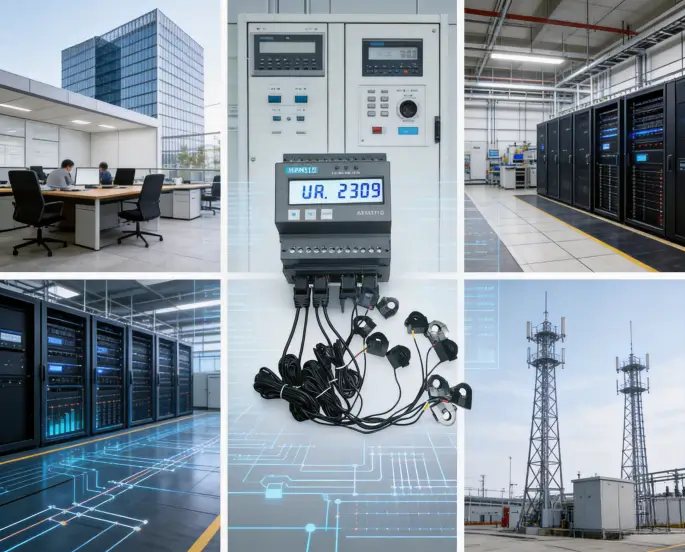
Its core technological breakthrough lies in “integration” and “modularization.” Unlike the traditional meter’s “one meter, one circuit” physical structure, a multi-circuit meter integrates multiple metering chips internally. Through external current transformers or milliampere-level output modules, it achieves the ability of a single meter, a single gateway, and the collection of multiple data streams.
Simply put, it’s like condensing the functions of multiple meters into a standard-sized DIN rail-mounted housing.
Core Advantages: Why Are Engineering Contractors Pushing This?
For engineering integrators, property managers, and enterprise equipment departments, choosing multi-circuit meters is primarily based on the following four core values:
1. Dramatic Cost Reduction and Efficiency Improvement
The most obvious advantage is cost. Take a project requiring the monitoring of 12 single-phase circuits as an example:
Traditional Solution: Requires 12 ordinary meters, resulting in high equipment costs, significant installation space, and hundreds of terminal connections.
Multi-circuit Solution: Requires only one main module and several acquisition modules. Installation space is saved by over 50%, and wiring workload is reduced by approximately 60%, making it particularly suitable for upgrading older distribution cabinets—in situations with limited space and where prolonged power outages are unacceptable.
2. Solving the Pain Points of “Multi-Source” Sampling
Early multi-circuit meters often shared a single voltage sampling source, which poses a risk in complex power distribution systems. If this power source fails, all metering will be paralyzed.
Modern high-end multi-circuit meters employ independent operating power supplies and independent sampling power supplies. This means that the meter’s power supply is separate from the measured circuit. For example, the meter is powered by a DC UPS, simultaneously monitoring three-phase AC, single-phase AC, and even DC lines without interference, greatly improving system reliability.
3. Closed Loop of Data and Prepayment
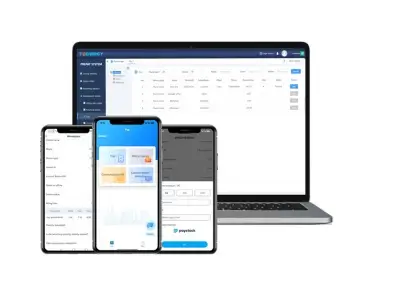
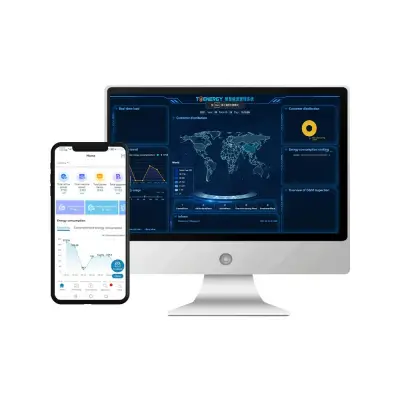
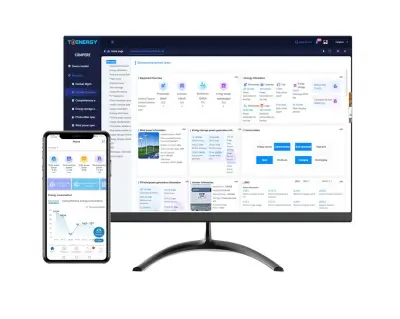
Multi-circuit meters are inherently suited for digital management. Data can be directly uploaded to the cloud platform via built-in RS485 communication (Modbus-RTU protocol) or 4G/WiFi/LoraWAN wireless transmission.
For commercial complexes or rental apartments, combined with prepayment functionality, managers can achieve:
Remote meter reading: No need for on-site visits; the system automatically freezes data.
Remote power on/off: Automatic circuit breaker tripping when tenants are in arrears, and automatic reconnection after payment.
Load control: Identifying hazardous loads (such as immersion heaters, electric stoves) and automatically cutting off the circuit to ensure fire safety.
4. High-Precision Monitoring of All Electrical Parameters
Multi-circuit meters not only show “how many kilowatt-hours of electricity used,” but also monitor power quality parameters such as voltage, current, power, harmonics, and imbalance. This is crucial for data centers and precision manufacturing plants, providing early warnings of voltage instability or harmonic pollution to prevent equipment downtime.
Main Application Scenarios of Multi-Circuit Energy Meters
Multi-circuit meters, due to their flexibility, have become standard equipment in the following scenarios:
Tower Base Stations and Communication Equipment Rooms: These require monitoring of mains power, generators, switching power supplies, and air conditioning loads. Multi-circuit meters perfectly adapt to this complex “multiple incoming lines, multiple outgoing lines” configuration.
Commercial Complexes and Office Buildings: Enables accurate metering by floor, unit, and shop. These modular meters support 12 single-phase or 4 three-phase outputs, easily handling the billing needs of a large number of tenants.
Data Centers (IDCs): Monitor the power consumption of each server rack, uploading data directly via Ethernet to provide underlying data for computing.
Large Factories: Conduct individual energy consumption assessments for multiple production lines and even large equipment within the workshop, assisting in establishing a scientific production cost accounting system.
How to Select a Model?
When selecting multi-circuit electricity meters, it is recommended to pay attention to the following three points:
Number of Channels: Choose the number of circuits based on the actual needs of the project.
Communication: Confirm whether there is network coverage on site. For projects near a cabinet, RS485 wired connection is recommended; for distributed or retrofit projects, a 4G/LoRa wireless solution is suggested.
Functions: Is metering only required, or is prepayment necessary? Is harmonic monitoring required? Clearly defining the functions can avoid paying for redundant features.
Conclusion
Multi-circuit electricity meters, with their high integration, convenient installation, and multi-dimensional data, are becoming a core node in smart buildings and energy management systems. Whether you are a property manager looking to solve the “difficulty in billing” or a factory manager looking to understand “energy consumption levels,” introducing a multi-circuit electricity meter solution will be a highly cost-effective step on your digital transformation journey.