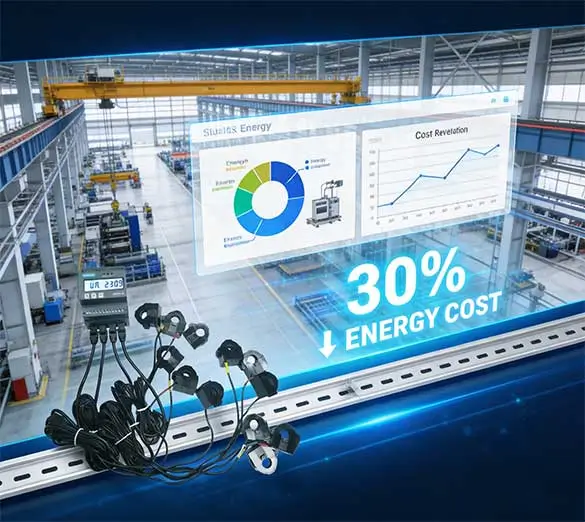
In today’s manufacturing environment, energy costs are no longer fixed expenses, but rather controllable variable costs that can be optimized directly through management and technology. Reducing a factory’s energy bill by 30% sounds like an ambitious goal, but it’s entirely achievable by breaking it down into three stages: management optimization, efficiency improvement, and system restructuring.
Below is a practical guide to energy conservation and emission reduction in factories.
Stage 1: Zero-Cost “Low-Hanging Fruit” (Reduction: 5% – 10%)
Before investing in any new equipment, factories should first eliminate obvious energy waste by optimizing daily operations and employee behavior. These measures require almost no capital expenditure (CapEx).
1. Establish an Energy Benchmark: Start with “Smart Meters”
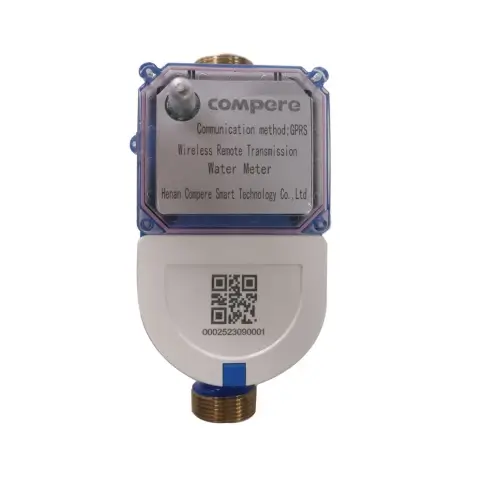
Method: Don’t just look at the total monthly electricity bill. Traditional mechanical electricity meters only tell you how much electricity you used last month, while smart meters and multi-functional energy meters can record voltage, current, power factor, and reactive power in real time, in 15-minute or even shorter increments.
Sub-metering: Deploying smart meters to every workshop, every production line, and even every piece of large equipment.
Objective: Identify the factory’s “energy consumers” (usually air compressors, chillers, or furnaces), accurately map the factory’s energy consumption, and establish a scientific energy consumption baseline.
2. Combating “Non-Production Energy Consumption”
Method: Utilizing data feedback from smart meters, managers can clearly see “hidden energy consumption” (standby power) during nighttime, weekends, and shutdown periods.
Digital Management: Establish strict equipment shutdown procedures, utilizing automated timed switches or low-power standby modes to ensure that conveyor belts, lighting, and even localized ventilation systems are completely shut down during non-production periods.
3. A Culture of Energy Conservation with All Employees
Practice: Energy conservation isn’t just the responsibility of the equipment maintenance department. Link the energy consumption (KPI) of individual products automatically generated by smart meters to workshop work teams. Reward employees who discover leaks and proactively shut down equipment.
Phase Two: Low-Cost Process Operation and Maintenance Optimization (Reduction: 10% – 15%)
This phase requires some maintenance investment or a small amount of capital, but its return on investment (ROI) is typically within 3 to 12 months.
1. Addressing the “Number One Killer” of Power Systems: Compressed Air Leaks
Fact: In industrial plants, compressed air is often one of the most expensive forms of energy. On average, 20% to 30% of the energy in compressed air systems is wasted in the air due to pipeline leaks and wear.
Action: Introduce ultrasonic leak detectors, conduct a plant-wide pipeline inspection quarterly, and promptly replace aging joints, valves, and hoses.
1. Pressure Drop Optimization: Under the condition of meeting the minimum process requirements, every 1 bar reduction in system supply pressure can directly save approximately 7% of the air compressor’s energy.
2. Optimization of Pumps and Fans through Variable Speed Drive (VSD) Retrofitting
Pain Point: Many factories’ fans and pumps are designed with excessively high safety margins (commonly known as “overpowered motors for small loads”) and operate at full speed for extended periods, with flow rates regulated by valves.
Solution: Install variable speed drives (VSDs) on the motors. Dynamically adjust the motor speed according to actual needs. When the fan speed is reduced by 20%, its power consumption can be reduced by nearly 50% (following the cubic law of fluid dynamics).
3. Insulation of Steam and Thermal Systems
Action: Inspect all steam pipes, valves, flanges, and condensate return pipes in the plant. Any exposed, uninsulated surfaces are essentially “emitting money” into the air like radiators.
Maintenance: Regularly inspect steam traps. A stuck steam trap can leak thousands of yuan worth of steam per month.
Phase Three: Digital Upgrade and System Restructuring (Reduction: 10% – 15%)
Once management and operation optimization are perfected, deeper energy savings are achieved through digital platforms and core technologies.
1. Deploy an Industrial Energy Management System (EMS)
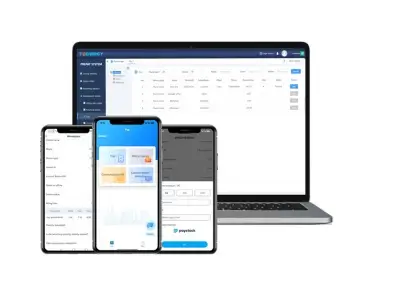
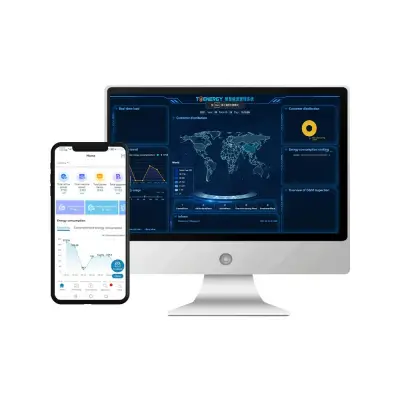
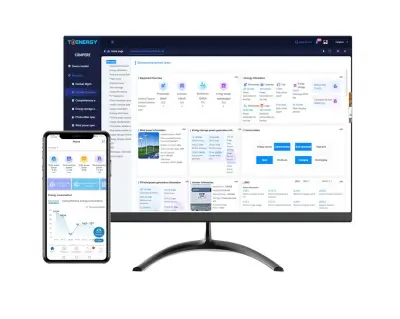
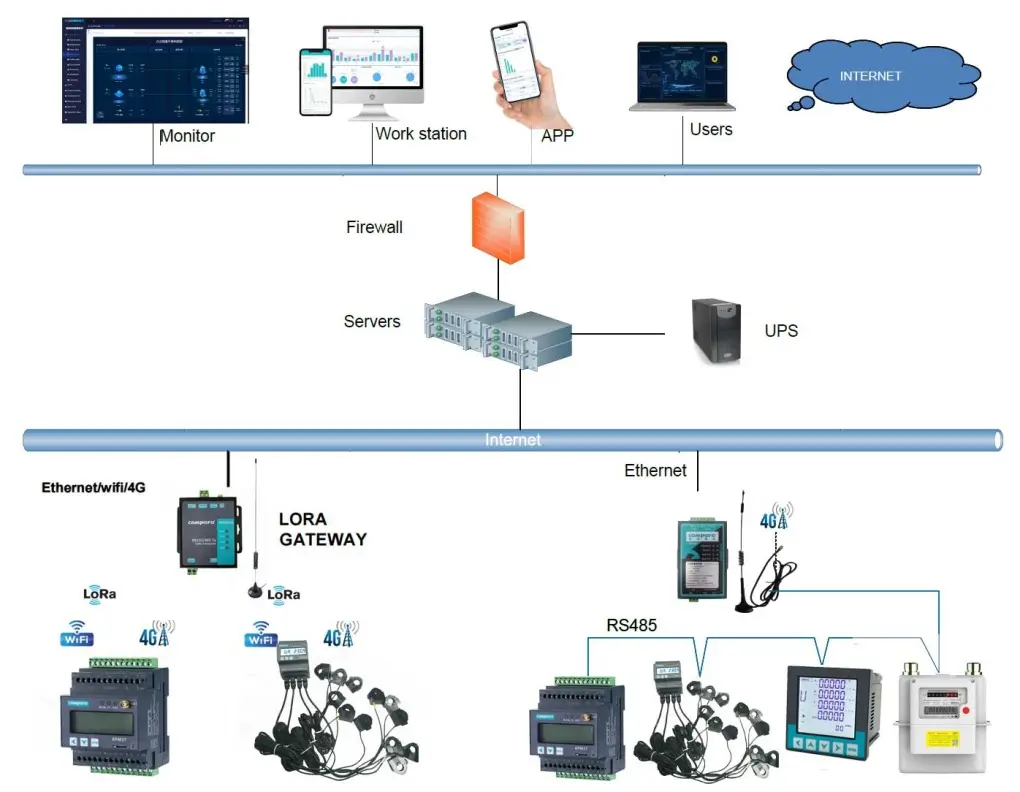
Smart meters are merely the “eyes” of a factory, while an Energy Management System (EMS) is its “brain.” It connects all the factory’s electricity, gas, water, and heat meters—all IoT sensors—breaking down data silos.
Real-time Panoramic Dashboard: Previously requiring manual meter reading, the EMS system can now present a real-time Sankey diagram of the entire factory’s energy flow, clearly showing the destination of every kilowatt-hour of electricity.
Peak Shaving Strategy: Many regions employ tiered pricing or peak pricing for electricity. EMS (Electronic Management System) can predict electricity demand and automatically alert or coordinate with other systems to adjust the production schedule of high-energy-consuming equipment during peak electricity periods (e.g., activating cold/heat storage systems in advance) and shifting operation to off-peak periods, thus directly reducing significant electricity costs without changing total electricity consumption.
AI-based Early Warning Maintenance: By analyzing smart meter data using EMS algorithms, if an abnormal disturbance occurs in the current curve or power factor of a motor, the system will determine that it is at risk of failure or operating at high energy consumption while malfunctioning, thus prompting “predictive maintenance” before the equipment is completely damaged.
2. Waste Heat Recovery
Principle: A large amount of heat is lost in industrial production through waste gas, wastewater, or high-temperature products.
Applications: Waste heat generated by air compressors can be used to preheat boiler feedwater or employee shower water.
Installing heat exchangers can use high-temperature flue gas from furnaces and kilns to preheat feed air.
3. Comprehensive Upgrade of Lighting and HVAC
Lighting: 100% replacement with LED smart lighting, incorporating motion sensors and daylight harvesting.
HVAC: The central air conditioning system adopts group control software to dynamically adjust the chiller outlet water temperature based on actual workshop conditions and outdoor temperature.
Implementation Roadmap: How to Get Started?
To ensure the successful implementation of this “30% Energy Saving Plan,” factory managers are advised to follow this implementation sequence:
Factory Energy Saving Roadmap
Conclusion
Reducing a factory’s energy costs by 30% is not a magic bullet, but a sustained, systematic project. It brings not only direct savings on financial bills, but also improved equipment health, reduced unexpected downtime, and significantly enhanced the company’s green competitiveness in the carbon-neutral era. Let’s start now by installing the first batch of smart meters and seeing the first real-time energy consumption graph!