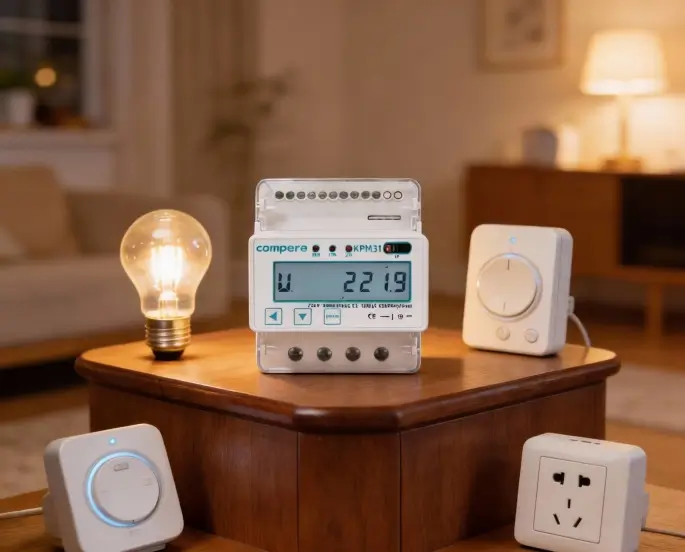
Electricity is indispensable in modern life. But have you ever wondered how power companies accurately measure your home’s electricity consumption? The answer lies in a device we see every day, yet may never truly understand—kWh meter, commonly known as an electricity meter.
🏡 What Is a kWh Meter?
A kWh meter is an instrument used to measure and record electrical energy consumption. It records the unit in kWh, commonly known as “degrees” or “units of electricity.”
Core Function: Electricity meters are the basis for power companies to charge users for electricity and are a key tool to ensure fairness in energy transactions. 1 kWh represents the electrical energy consumed by a 1 kilowatt (kW) device operating continuously for 1 hour.
⚙️ Technological Evolution: From Mechanical to Smart
Electricity meters have undergone significant iterations with the development of electronic technology, mainly falling into the following categories:
1. Traditional Electromechanical Electricity Meters (Induction Type)
Based on the principle of electromagnetic induction, they measure electrical energy by electromagnetically driving the rotation of an aluminum disc. This is a historically significant but gradually phased-out type.
2. Modern Electronic Electricity Meters (Digital Type)
These meters use dedicated integrated circuits or microcontrollers to obtain accurate energy consumption through real-time acquisition and integration of voltage and current signals. The reading is displayed directly on an LCD screen.
3. Smart Meters: The Cornerstone of the Future Power Grid
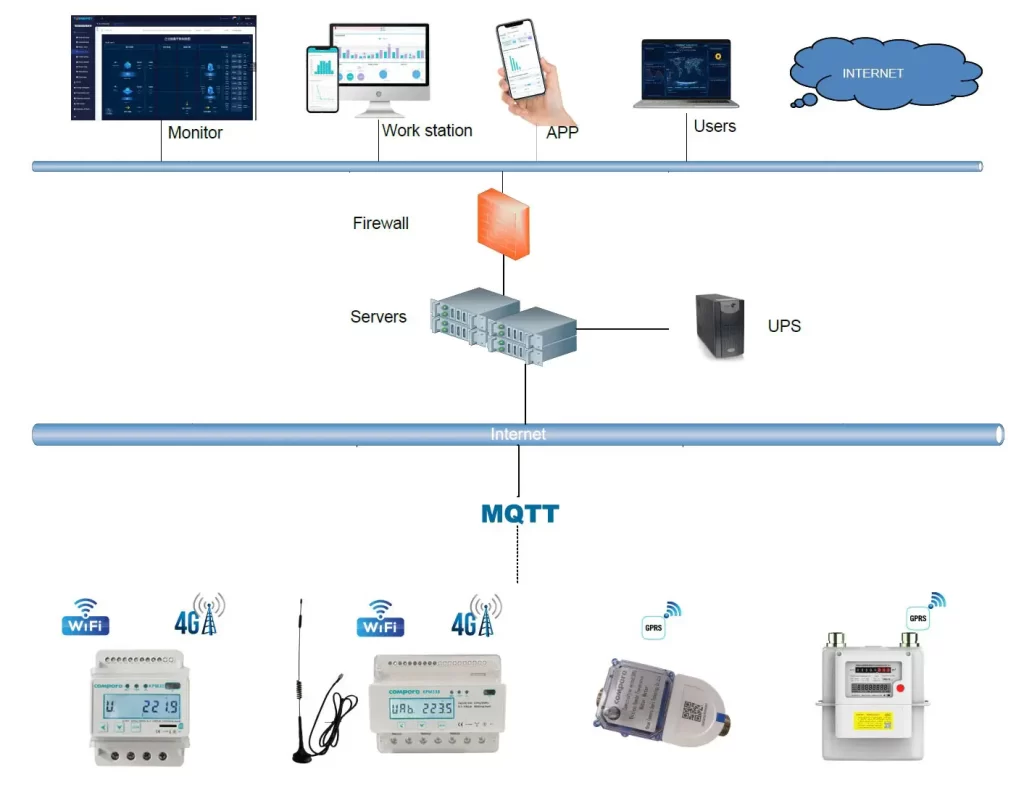
Smart meters are an upgraded version of electronic meters, possessing two-way communication capabilities. They not only measure accurately but also transmit data to the power company in real time, making them a core component of building a smart grid. Their main functions include:
Remote Functions: Supports remote meter reading, fault diagnosis, and rate adjustment.
Time-of-use metering: Records electricity consumption during different time periods (e.g., peak hours, off-peak hours) to support more flexible electricity pricing models.
🔒 Smart Application Extension: Prepaid Systems and Active Control
The powerful functions of smart meters enable a variety of advanced applications, among which the most attention-grabbing is the prepaid function, also known as prepayment control. A prepaid meter is essentially a smart meter with an electricity control switch.
🔋 How Does Prepaid Electricity Meter Works?
The core concept of the prepaid model is “buy electricity first, use electricity later.” Users must purchase a certain amount of electricity or a certain amount of money from the power company before using electricity. This model completely solves the problem of electricity bill arrears through technological means.
The operation of a prepaid system relies on two key components:
1. Prepaid Electricity Meter (Terminal)
The prepaid electricity meter contains a circuit breaker switch and a controller. The electricity or money recharged by the user is securely written into the meter via IC card or remote means. The meter deducts the balance in real time based on the user’s actual electricity consumption.
When the remaining electricity is lower than a preset value, the meter will issue a balance alarm. 1. When the balance is completely depleted, the circuit breaker will automatically cut off the power supply (automatic tripping) until the user recharges.
2. Prepaid System (Back-end)
Power companies or property management companies use a back-end system for electricity purchase management. After a user recharges at the electricity terminal, the system generates encrypted purchase information (such as a key code) and transmits it securely to the meter, ensuring data accuracy and transaction security.
🎯 The Value of Prepaid Systems
Prepaid systems offer significant advantages in rental properties, schools, large supermarkets, commercial office buildings, and specific electricity bill management areas:
For management, it completely guarantees cash flow, automates billing and management, and eliminates the risks of manual collection and bad debts.
For users, it helps them develop stronger energy consumption awareness. By understanding their spending in real time, they can proactively control and adjust their electricity usage habits, effectively avoiding huge bills at the end of the month.
💡 Why is an prepaid Kwh Meter Important to You?
Regardless of the type of meter you use, understanding how it works can help you better manage your energy.
Achieving Fair Transactions: The kwh meter is the most impartial metering record between you and the power company.
Supporting Energy Conservation and Emission Reduction: Especially the detailed data provided by smart meters is a crucial basis for home energy optimization.
Enhancing Electrical Safety: Modern electricity meters typically have functions to monitor abnormal power consumption and provide overload protection, adding an extra layer of security to your home’s electricity usage.
The prepaid kwh meter is the cornerstone of energy metering. Understanding how it works can help you better manage your home’s energy consumption and become a more savvy electricity user.
If you would like to learn more about prepaid electricity meters, please refer to this article: