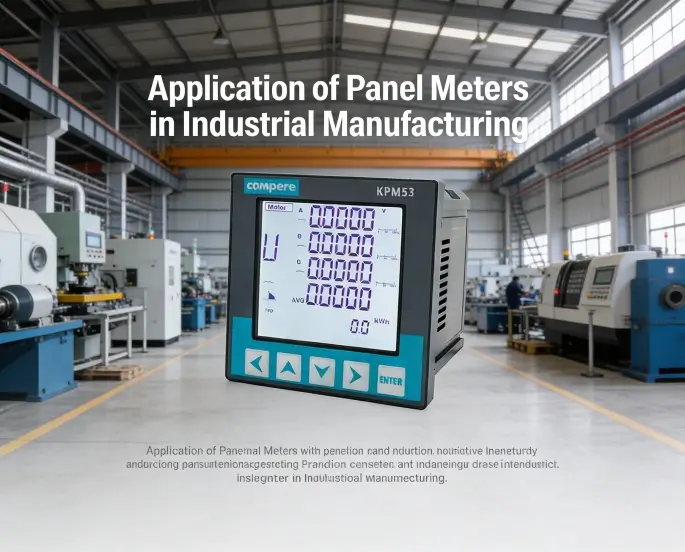
Panel meters are indispensable components of modern industrial control and monitoring systems. They ensure the safe and efficient operation of equipment by displaying key electrical and physical parameters intuitively and in real-time. This article will delve into the core applications and advantages of oem panel meters in power systems, automated production, process control, and other fields, as well as how to choose the panel meter best suited to your industrial needs.
What Is an Industrial Panel Meter?
A panel meter is a measuring instrument installed on a device control panel or distribution cabinet. It receives electrical signals from sensors and transmitters and displays the measured values in easily understandable digital or analog form.
📌 Key Measurement Parameters:
Panel meters are primarily used to measure and display the following two categories of key parameters:
Electrical Parameters: Voltage, Current, Frequency, Power Factor, Active/Reactive Power.
Physical Parameters: Temperature, Pressure, Flow Rate, Level.
Two main types of panel meters:
Digital Panel Meters:
Advantages: High accuracy, intuitive readings, typically programmable, multifunctional (e.g., with alarm and communication functions).
Application Scenarios: High precision requirements, data acquisition, modern control rooms.
Analog Panel Meters:
Advantages: High reliability, unaffected by power fluctuations, clear trend display, lower cost.
Application Scenarios: Traditional power distribution, simple mechanical equipment, trend monitoring.
Core Application Areas: How do panel meters drive industrial efficiency?
Panel meters are a key tool for industrial “visualization” and are widely used in the following high-value areas:
1. 🏭 Industrial Automation and Process Control
In process industries such as petrochemicals, pharmaceuticals, and food and beverage, panel meters are an important supplement to DCS/PLC systems.
Real-time process variable monitoring: Displays key parameters such as tank temperature, pipeline pressure, and material flow rate.
Alarms and Control: Advanced digital panel meters with built-in relay outputs can immediately trigger alarms or execute simple control actions when measured values exceed preset ranges.
2. ⚡ Power Monitoring
In distribution rooms, substations, and generator sets, panel meters are core tools for ensuring power quality and safety.
Distribution Monitoring: Accurately displays three-phase voltage, current, and frequency for each circuit, promptly identifying and eliminating overload or short-circuit hazards.
Energy Consumption Analysis: Advanced multi-functional power meters can measure active energy (kWh) and power factor, helping businesses implement energy management and optimization.
Generator Set Control: Real-time monitoring of generator output voltage and frequency ensures power quality meets standards.
3. 🔧 Machinery and OEM Applications
As a component of independent equipment (such as compressors, pumps, and heaters), panel meters provide operators with the essential information they need. Status Indication: Displays the operating hours of mechanical equipment (for maintenance planning), lubricating oil temperature, or motor current.
Safety Assurance: Provides intuitive displays to prevent equipment from operating beyond design limits, extending equipment lifespan.
Key Considerations When Selecting an Industrial Panel Meter
To maximize return on investment and ensure system reliability, the following factors should be considered when selecting a panel meter:
Input Signal Type: Ensure the meter accurately receives signals from sensors.
Display and Accuracy: For critical measurements, choose a high-precision, high-resolution digital meter.
For trend observation and simple indications, an analog meter may be more suitable.
Environmental Adaptability: Consider the temperature, humidity, and protection rating (IP rating) of the installation environment to ensure the meter can withstand harsh industrial conditions.
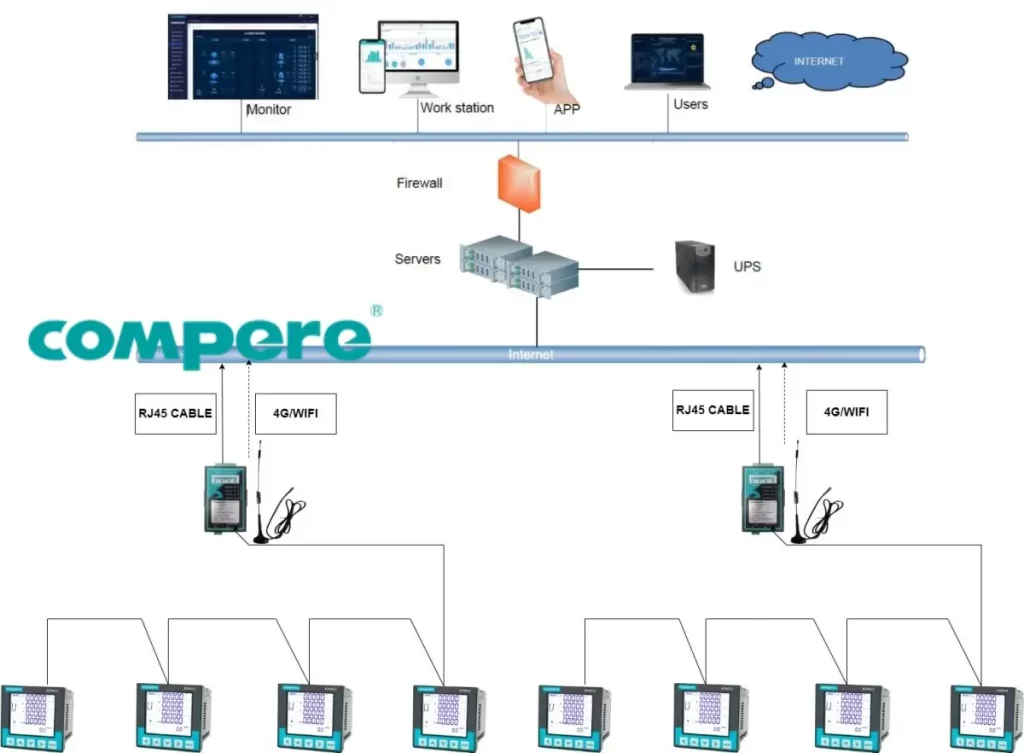
Communication Protocol: Modern industrial trends emphasize data networking. Choose a digital meter that supports standard communication protocols such as Modbus RTU/TCP for easy integration into cloud platforms.
Auxiliary Functions: Consider whether alarm relay outputs, re-transmission outputs, or data logging functions are required.
Conclusion
Panel meter as a core component of industrial data visualization, play a role far beyond simple display. They are the foundation of safety, efficiency, and quality control. With the development of IoT, digital panel meters integrating communication and intelligent functions are becoming mainstream, enabling enterprises to conduct remote monitoring and predictive maintenance more effectively.
Investing in high-quality industrial panel meter is investing in the reliability of your manufacturing processes and your future competitiveness.
View All Products: https://comperepower.com/product/
📩 Email: [email protected]
🟢 WhatsApp: +86-15938727545