As the industrial sector accelerates its move towards intelligent manufacturing, from upgrading aging production lines to restructuring energy systems, various upgrade projects are growing at an unprecedented rate. However, many enterprises frequently encounter problems such as uncontrolled project schedules, budget overruns, frequent safety hazards, and difficulty in achieving expected results when implementing upgrades, making “upgrade” a growing challenge and concern for managers.
This article focuses on typical challenges in industrial project upgrades, analyzes their root causes, and proposes systematic solutions, emphasizing the unique value of smart energy meters in real-time monitoring and data analysis to help enterprises achieve precise energy management.
Five Core Pain Points in Industrial Upgrades
1. Difficulty in Cost Control and Frequent Budget Overruns
Industrial upgrades involve multiple stages, including equipment procurement, civil construction, and system integration. Initial budgets often rely on experience-based estimates, and costs continue to rise during actual implementation due to fluctuations in material prices, design changes, or the emergence of hidden engineering works. Data shows that over 60% of upgrade projects ultimately exceed their budget by more than 20%. Especially in energy system upgrades, the lack of real-time monitoring of equipment energy consumption often leads to blind investment and delayed results.
2. Long Downtime Periods and Huge Production Losses
Traditional upgrades often employ a “complete demolition and reconstruction” approach, requiring production lines to be shut down for extended periods, often lasting several months. This directly results in lost output and impacts the stability of upstream and downstream supply chains. Even more problematic is the frequent rework during system commissioning, further extending downtime and amplifying economic losses.
3. Poor Technical Compatibility and Difficult System Integration
Older equipment uses diverse communication protocols, making it difficult for new systems to seamlessly integrate with existing equipment. This results in multiple siloed, independent systems: PLC data cannot be shared with the MES system, and energy information is fragmented from production data, hindering unified decision-making. Upgrades not only offer limited improvements in intelligence but also increase operational complexity.
4. Coexisting Safety and Compliance Pressures
Upgrades involve high-risk operations such as electrical work, piping, and working at heights; even slight negligence can lead to safety accidents. Meanwhile, national regulations on energy consumption control and carbon emission reduction are becoming increasingly stringent. If renovation projects cannot provide real-time energy consumption data, enterprises will face fines or production restrictions.
5. Low Operation and Maintenance Efficiency, Unsustainable Benefits
After the renovation, without effective monitoring methods, enterprises struggle to detect equipment energy efficiency declines or potential malfunctions in a timely manner. Traditional manual inspection methods are slow to respond and data analysis is lagging, leading to the gradual diminishing of renovation effectiveness and a return on investment far below expectations.
Solution: Synergistic Promotion of Digitalization + Modularization + Precision Monitoring
1. Modular Construction, Compressed Construction Period
Breaking down the renovation content into standardized functional modules (such as prefabricated distribution cabinets and integrated energy stations), prefabrication in the factory, and rapid on-site assembly can compress the construction period from several months in the traditional model to several weeks, significantly reducing downtime losses and leaving room for future expansion.
2. Digital Twins and IoT Platforms: Breaking Down Information Barriers
By leveraging BIM modeling and real-time data mapping technologies to construct virtual factories, full-process simulation and verification before renovation can be achieved, potential conflicts can be identified in advance, and construction rework rates can be significantly reduced. The IoT platform unifies and integrates equipment, energy, and production data, eliminating system silos and achieving integrated scheduling.
3. Enhancing Refined Energy Management: Smart Energy Meters Play a Key Role
Smart Meters: From “Passive Metering” to “Proactive Empowerment”
In industrial operations, energy costs typically account for 30% to 50% of total expenditures, yet they have long been in a state of being “invisible and uncontrollable.” Traditional mechanical meters only record total electricity consumption, unable to break it down to equipment, production lines, or time periods, making energy management impossible. If renovation projects cannot solve this problem, subsequent benefits will be significantly reduced.
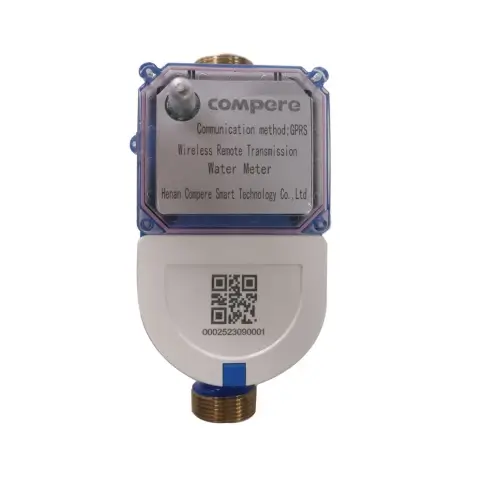
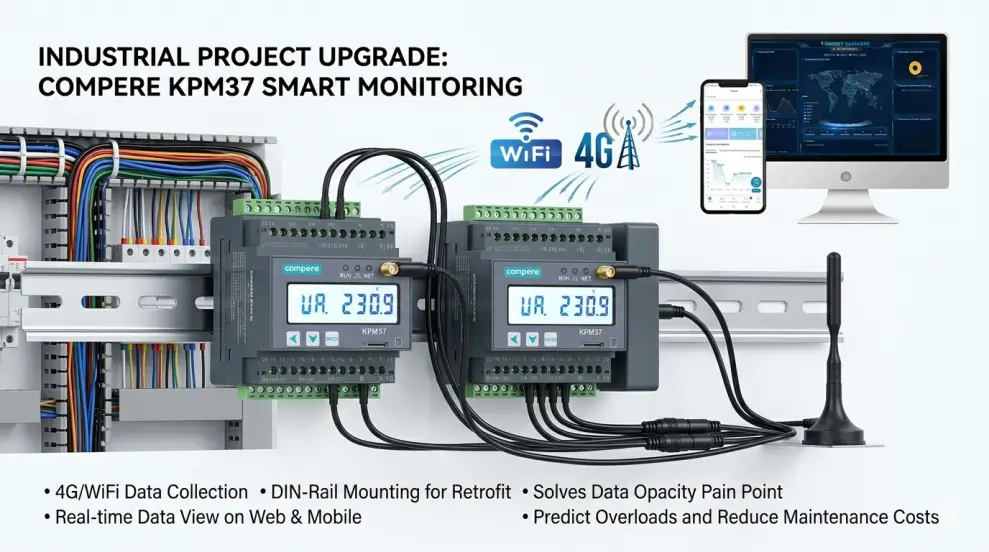
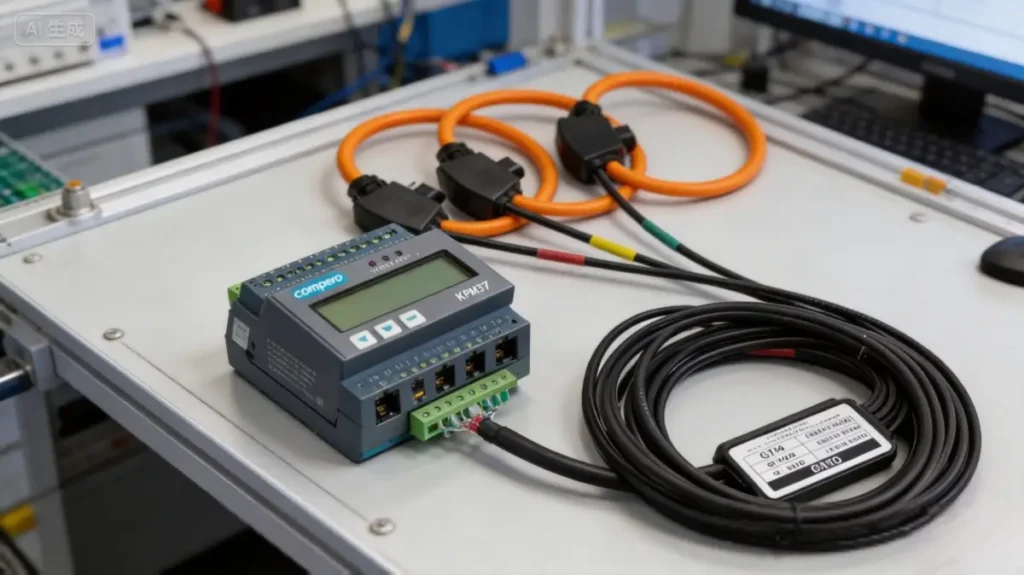
The introduction of smart energy meters has completely changed this situation. It is not only a high-precision metering terminal but also integrates real-time communication and edge computing capabilities, becoming a core node in digital energy management. Smart energy meters can seamlessly integrate with enterprise IoT platforms via various communication methods such as RS485, LoRa, 4G, WiFi, bringing the following practical benefits:
1. Real-time energy consumption visualization, accurately identifying waste points
Before the upgrade, smart energy meters can independently monitor each device, creating an “energy consumption heat map” that intuitively displays high-energy-consuming processes (e.g., an old motor’s no-load loss can reach 15% of total electricity consumption). This helps enterprises target their upgrades effectively, avoiding blind “full-line upgrades” and saving over 20% in investment.
2. Peak-valley electricity pricing optimization, achieving demand-side response
Smart meters support time-of-use metering and remote control, assisting enterprises in optimizing production scheduling during the upgrade design phase by shifting high-energy-consuming processes to off-peak hours. In actual operation, the system can automatically push peak-shaving and valley-filling strategies, resulting in electricity cost reductions of 12% to 18% for some projects.
3. Predictive Maintenance, Reducing Unplanned Downtime
By collecting real-time data on current, voltage, and power factor, smart meters, combined with AI algorithms, can provide early warnings of potential problems such as motor overload and transformer malfunctions, reducing unplanned downtime by over 50% and truly achieving “one-time upgrade, long-term benefits.”
4. Automatic Compliance Report Generation, Effortlessly Addressing Regulatory Needs
Faced with dual controls on energy consumption and carbon emission assessments, smart energy meters can automatically collect and upload categorized energy consumption data, generating statistical reports that meet national standards. This eliminates the tedious manual compilation, reduces compliance risks, and provides data support for companies applying for green factory and carbon trading subsidies.
For example, a large chemical company in East China fully deployed smart energy meters and an IoT energy management system during its 2024 renovation of its old plant. This resulted in a 15% reduction in overall investment, a 40-day shorter construction period, and energy savings of 2.8 million yuan in the first year, with a payback period of only 18 months. Smart energy meters have thus gone from being an “optional” feature to a “standard feature,” helping companies maximize the benefits of their upgrades.
Conclusion: A New Paradigm for Industrial Transformation Driven by Smart Energy Meters
The difficulty in industrial transformation projects ultimately lies in “information gaps” and “response delays.” Smart energy meters are a key tool for overcoming this dilemma—they transform energy from invisible to quantifiable, predictable, and optimizable, ensuring that every investment in transformation translates into sustainable operational benefits. In the future, digital terminals, represented by smart energy meters, will drive industrial transformation into a new stage that is more efficient, safer, and smarter.