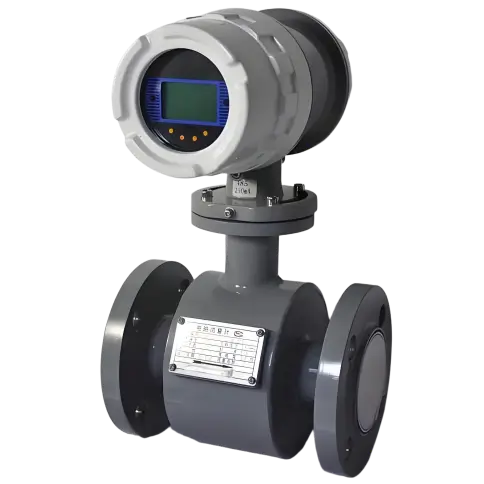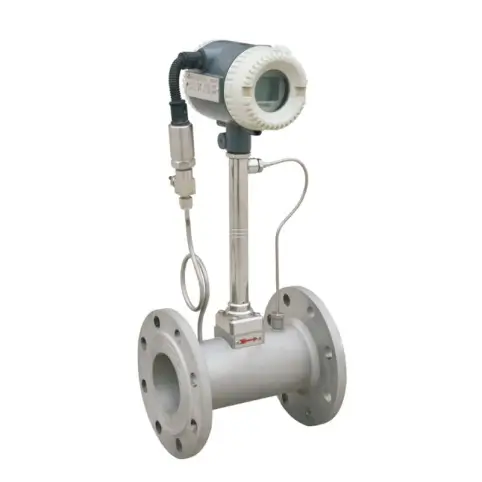
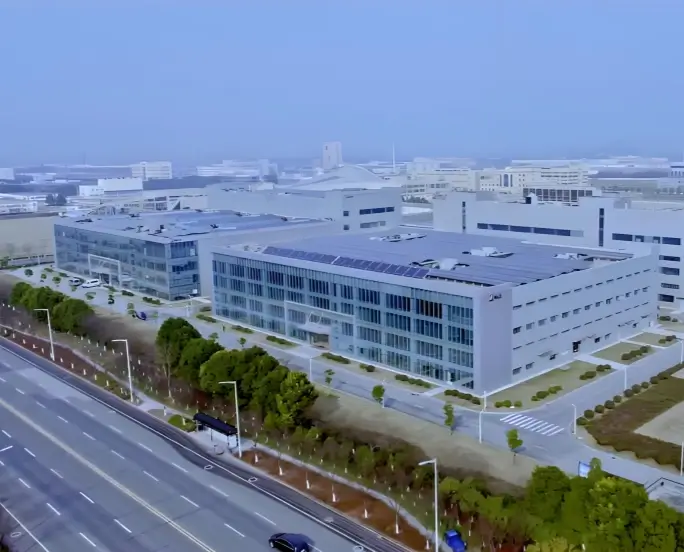
Pharmaceutical Industry Energy Management System Case Study – CSPC Pharmaceutical Group Project Case Study: To enhance sustainable development capabilities, reduce energy costs, optimize the energy structure, and raise energy conservation awareness among all employees, the project employed Compaq Intelligent to develop an energy management plan.
1. Project File
Project Name: CSPC Pharmaceutical Group Energy Management System Project Case Study
Industry: Pharmaceutical Industry
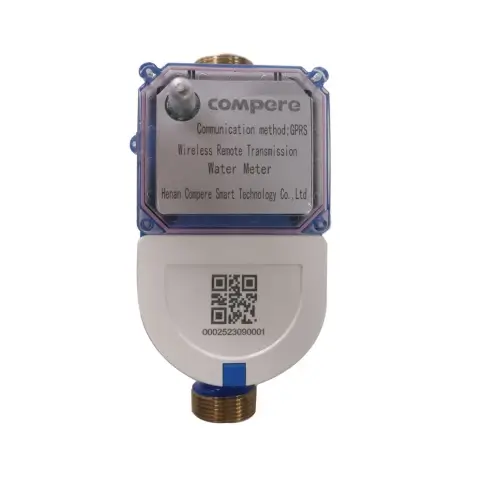
Project Procurement Related Equipment: One energy management system and one batch of auxiliary materials
2. Project Overview
Project Description
CSPC Pharmaceutical Group is China’s largest integrated pharmaceutical preparation and chemical API production base. It is the first overseas-listed Chinese pharmaceutical company and one of the “Top 500 Chinese Enterprises.” In 2014, it was named one of the “Top 20 Most Innovative Chinese Pharmaceutical Enterprises.” The “CSPC” brand has been selected as one of the “Top 500 Most Valuable Chinese Brands” for ten consecutive years since 2005. CSPC Yinhu Pharmaceutical Co., Ltd. is a subsidiary of CSPC Pharmaceutical Group specializing in the production of traditional Chinese medicine injections and large-volume infusions. Its production base is located in Yuncheng, Shanxi Province. In 2016, the company achieved sales revenue (including tax) of 392 million yuan and profits and taxes of 147 million yuan.
Demand Analysis
The company’s energy costs account for approximately 12% of its total costs, while the energy costs of other subsidiaries within the First Manufacturing Center each account for approximately 3%. Excluding some regional price differences, the company’s energy management still has significant gaps. To rapidly reduce the company’s energy costs, an energy management platform was installed. This platform enables online monitoring of various energy types, including real-time monitoring, statistics, analysis, alarms, and transmission. This data analysis identifies energy vulnerabilities and reduces energy costs.
3. Smart Energy Management System Solution
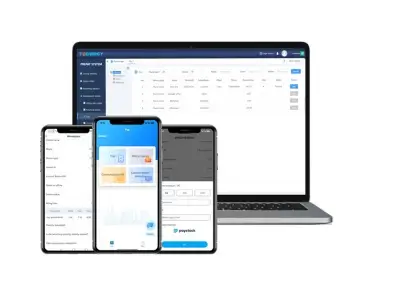
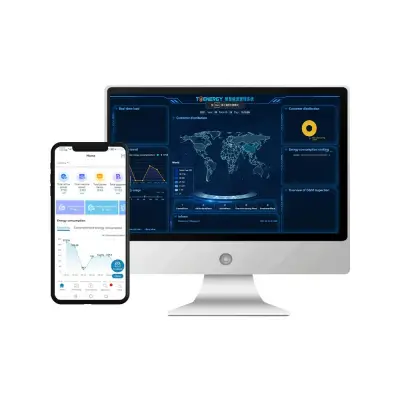
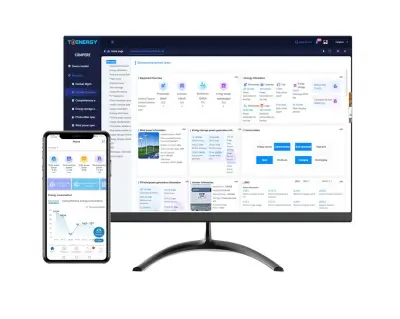
Compere deployed the T@Energy smart energy management system for this project. This system includes data analysis capabilities, which measures energy usage by workshop and energy type, and compares it with indicators, as well as the cumulative energy usage of the previous week, month, same period, and year. It also provides energy usage comparison charts. It includes energy data analysis, energy consumption statistics, power balance analysis, power cost analysis, monthly cost analysis, energy cost analysis, cost and unit consumption analysis, output and cost analysis, output and unit consumption analysis, etc. The statistical analysis of data is divided into separate analysis of details of the company, workshop, power workshop, etc., including real-time and historical trend comparison analysis; it has the ability to calculate and analyze energy quantity difference and price difference; it displays the energy consumption per square meter of air conditioners; it displays the company’s carbon emissions and standard coal equivalent. Energy management system function introduction

(1) Energy consumption analysis
This function includes four aspects: energy consumption analysis of the enterprise, comprehensive energy consumption of departments, energy consumption analysis of equipment, and comprehensive analysis of electricity indicators. It helps enterprises to conduct statistical analysis of various energy media such as water, electricity, gas, and heating, compare the energy consumption of the enterprise with the energy consumption of the same period, understand the comprehensive energy consumption of each department, and analyze the load rate and energy consumption of energy-consuming equipment in detail; and analyze and display the composition of electricity charges, electricity price period, overall power factor, and equipment load characteristics. The energy consumption analysis function of the T@Energy smart energy management system can help users quickly find energy consumption anomalies and equipment energy consumption anomalies, help them find energy-saving space, and provide scientific data support for energy-saving plans.
(2) Energy monitoring
In addition to analyzing energy consumption data, the energy management system can also realize real-time monitoring of energy and query historical data. This function breaks down the data of equipment energy consumption into minute and second levels, helping users to diagnose abnormal energy consumption in a timely manner and minimize user expenditure losses.
(3) Report service
The report function unifies the data scattered across various teams and departments, helping users to conduct horizontal and vertical comparative analysis of overall energy consumption data, eliminating the island effect in energy consumption management, and providing an effective tool for establishing energy consumption assessment indicators.
(4) Alarm center
The alarm center is a very important function for users. This function pushes equipment abnormalities to users in a timely manner, helping users to prevent equipment failures or deal with equipment problems in a timely manner, and avoid production and operation problems caused by equipment problems.
4. User Benefits
(1) Safety Assurance
Strengthen the professionalization, standardization, and regularization of the operation and maintenance management of energy-consuming equipment to avoid electrical accidents and personal safety accidents caused by improper operation and management.
(2) Decision Support
Through short-term data collection and analysis, determine the energy consumption trends and flows of energy-consuming areas, energy-consuming media, and energy-consuming equipment, and provide data models for overall energy-saving transformation, equipment energy consumption anomaly analysis, and department and regional energy consumption performance assessment.
(3) Equipment Life Extension
Use the system to promptly detect equipment anomalies, reduce equipment failure rates, and provide a basis for judgment during maintenance and overhaul. Through targeted maintenance and management, the operating life of the equipment is extended and the cost of equipment iteration is saved.