
Pain Points and Opportunities in Commercial Real Estate Energy Management
Electricity management has always been a core challenge for owners and property managers in commercial real estate operations. While traditional prepaid metering reduces financial risk for owners, it often leads to poor tenant experiences and low operational efficiency. With the increasing adoption of smart building and green energy management concepts, postpaid electricity meter solutions are becoming a revolutionary force in the commercial real estate sector, creating a win-win situation for both owners and tenants.
What is a Postpaid Electricity Meter Solution?
A postpaid electricity meter solution is a system that uses actual electricity consumption for periodic billing and settlement. Unlike traditional prepaid models, tenants use electricity first and then pay based on accurate metering data. Modern postpaid systems typically integrate smart energy meters, data communication technology, and cloud management platforms to achieve automated metering, data analysis, and billing management.
Core Advantages of Postpaid Solutions for Commercial Real Estate
1. Enhanced Tenant Experience and Satisfaction
Ease of Use: Tenants don’t need to worry about sudden power outages or frequent top-ups, enjoying a seamless experience similar to residential electricity use.
Transparent Consumption: Real-time or periodic electricity usage data is available, helping tenants understand energy consumption patterns and promoting energy-saving behaviors.
Flexible Payment: Supports multiple payment methods and recurring periods to adapt to different tenants’ financial arrangements.
2. Optimized Property Management and Operational Efficiency
Automated Billing: Reduces the workload of manual meter reading, calculation, and collection, lowering operating costs.
Precise Data Support: Obtains detailed electricity usage data by household and time period, providing a basis for energy management and space optimization.
Controllable Risk: Effectively controls the risk of overdue payments through credit assessment, security deposit systems, and automated collection processes.
3. Enhance Asset Value and Sustainability
Green Certification Bonus: Accurate energy data supports LEED, BREEAM, and other green building certifications.
Energy Consumption Insights: Identifies high-energy-consuming areas and equipment, providing a data foundation for energy-saving retrofits.
Future Readiness: Compatible with emerging needs such as renewable energy integration and electric vehicle charging.

Key Technological Components of a Modern Postpaid Meter System
Smart Metering Layer
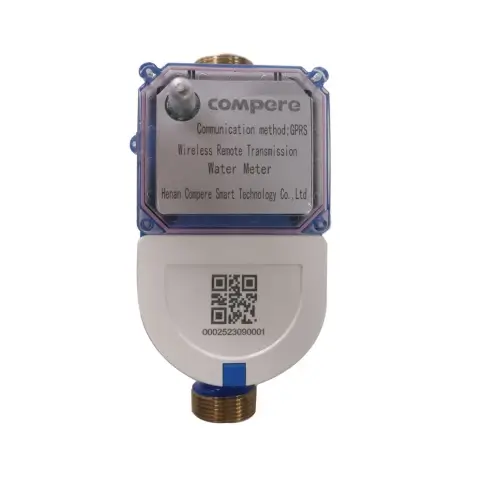
- Industry-standard compliant smart meters (supporting remote reading and two-way communication)
- Submeters and sub-metering devices (for multi-tenant scenarios)
- Data collectors and gateway devices
Data Communication Layer
- Flexible network options (LoRaWAN, NB-IoT, Wi-Fi, or 4G)
- Secure data transmission protocols and encryption measures
- API integration with existing Property Management Systems (PMS)
Platform and Management Layer
- Cloud-based or on-premises energy management platform
- Automated billing and billing generation system
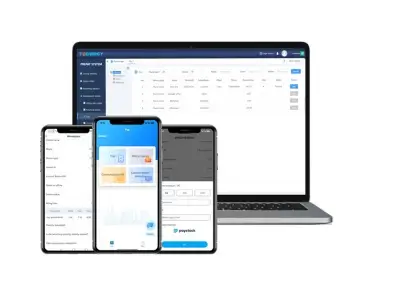
- Tenant portal (electricity data viewing, bill payment, service requests)
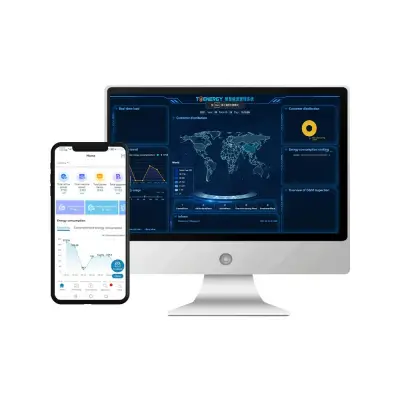
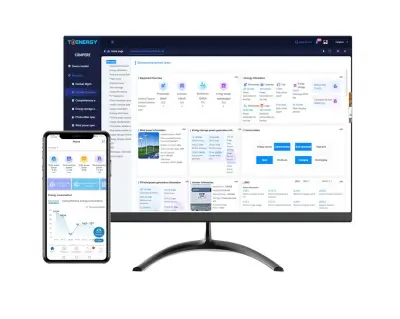
- Management dashboard (real-time monitoring, report analysis, alerts)

Key Steps for Implementing a Postpaid Meter System
1. Assessment and Planning Phase
Existing infrastructure audit and compatibility analysis
Tenant needs survey and usage pattern assessment
Financial model building and ROI analysis
Compliance checks (local regulations, data privacy requirements)
2. System Design and Selection
Determine metering granularity requirements (by household, by region, by device)
Select appropriate technical architecture and communication solutions
Develop data management strategies and security protocols
Design tenant transition plans and communication plans
3. Deployment and Integration
Phased installation and minimizing business disruption
System testing and data verification
Integration with property management systems and financial systems
Employee training and operating procedure development
4. Operations and Optimization
Initiating Monitoring and Performance Tracking
Establishing Tenant Education and Support System
Continuous Data Analysis and Energy Saving Opportunity Identification
System Iteration and Functional Expansion
uccess Cases: The Actual Benefits of Postpaid Solutions
Case 1: A Grade A Office Building in Shanghai
Challenges: High tenant churn rate, frequent recharge complaints, serious energy waste
Solution: Deployment of IoT smart meters and cloud-based energy management platform
Results:
Tenant satisfaction increased by 32%
Property management labor costs decreased by 45%
Overall annual energy consumption decreased by 18%
Enhanced rental premium capacity
Case 2: A Large Shopping Mall in Shenzhen
Challenges: Diverse tenant electricity usage patterns, frequent billing disputes, uncontrollable energy costs
Solution: Individual smart metering + individual… Hourly Pricing Strategy + Merchant Energy Consumption Analysis Report
Results: Billing disputes reduced by 90%
Outcomes: Energy consumption during non-business hours decreased by 26%
Merchant participation in energy conservation significantly improved
Future Trends: Intelligent Evolution of Postpaid Meters
AI-Driven Predictive Analytics: Predicting electricity usage patterns based on historical data and external factors to optimize procurement strategies
Blockchain Technology Application: Achieving secure and transparent energy trading and settlement records
Demand Response Integration: Participating in grid demand response plans to create additional revenue streams
Carbon Footprint Tracking: Automatically calculating and reporting tenant carbon footprints to support ESG goals
Conclusion: Towards a New Paradigm of Smart Energy Management
Postpaid electricity meter solutions represent not only a change in billing methods but also a revolution in commercial real estate operation concepts. They balance the risk control needs of owners with the user experience of tenants, while providing a data foundation and technological pathway for improving building energy efficiency and achieving sustainable development goals. In the wave of digital transformation and green building, adopting advanced postpaid meter systems has become a strategic choice to enhance the competitiveness of commercial real estate and maximize asset value.
For properties considering implementing such solutions, it is recommended to start with pilot projects and gradually expand, while focusing on tenant communication and education to ensure that the technology investment translates into actual operational benefits and increased satisfaction.