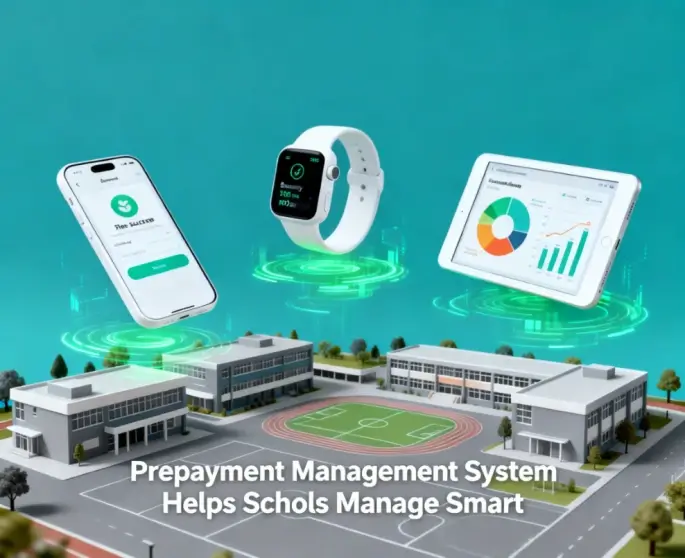
With the continuous advancement of information technology and intelligent management, modern universities are gradually transforming their logistics and life management into digital ones. Traditional manual fee collection and post-payment settlement models in areas such as water and electricity management, dining consumption, and campus card systems present challenges such as low efficiency, difficult management, and high arrears rates. Prepayment management system in schools, as a smart “top up first, use later” management model, have been widely adopted in universities, effectively improving resource management efficiency and service quality.
Core Advantages of Prepayment Management System
Compared to the traditional “pay later” monthly settlement or bookkeeping model, prepaid systems offer multiple benefits to university management:
Efficient Fund Management: The system pools funds before they are spent, significantly improving the university’s cash flow and reducing the risk of bad debt. Timely collection of utility bills, internet fees, and other expenses ensures the stable operation of logistics services.
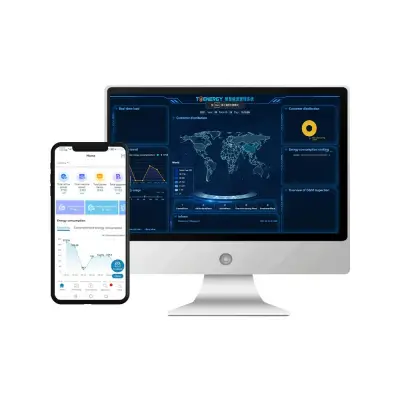
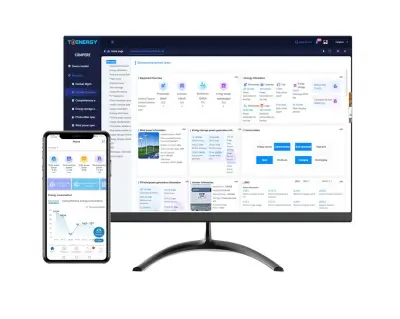
Visualizing Resource Consumption: The system transforms “intangible” resources like water, electricity, and internet into clearly visible digital consumption. Faculty and students can check balances and usage in real time, effectively fostering a sense of conservation and promoting the development of green and energy-efficient campuses from the ground up. Operational Cost Savings: Automated billing and deductions replace traditional manual meter reading and collection, significantly reducing labor and management costs and freeing support staff to focus on providing higher-quality service.
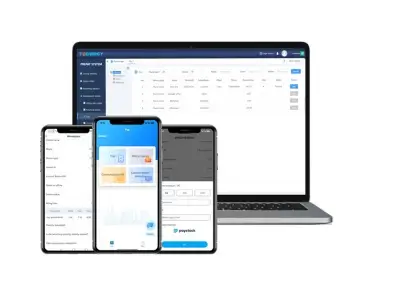
Convenient Experience for Teachers and Students: Recharge, inquiries, and repair requests can be easily completed through a mobile app or online platform, eliminating the hassle of waiting in line to recharge cards. This achieves the goal of “more data, less running around for teachers and students,” significantly improving satisfaction and happiness in campus life.
Data-Driven Decision Support: The massive consumption data accumulated by the system’s backend is a valuable asset. Schools can analyze resource consumption patterns across regions and time periods, providing a scientific basis for decisions such as infrastructure renovation, energy scheduling, and service time optimization.
Main Application Scenarios of the Prepayment Management System In Schools
1. Water and Electricity Management
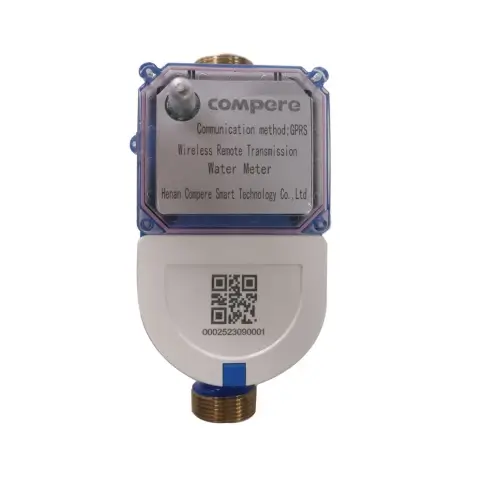
Water and electricity management in university dormitories is one of the most typical applications of prepaid systems.
Application Model: After moving in, students top up their electricity and water bills using campus cards or online platforms. The system automatically measures and deducts the charges. When the balance is insufficient, power is automatically cut off or water is restricted. Management Advantages:
Avoid overdue payments and reduce property management risks;
Students can self-check their usage, promoting energy-saving awareness;
Managers can monitor energy consumption data in real time, providing a basis for energy-saving policies.

2. Campus Dining
University cafeterias can adopt a prepaid consumption system, enabling one-card payment.
Application Model: After students top up their accounts, they can consume in cafeterias, cafes, supermarkets, and other locations.
Management Advantages:
Improve settlement efficiency and reduce cash management risks;
Enable statistical analysis of consumption data to optimize the catering supply structure;
Support personalized services such as preferential policies, points, and package management.
3. Bathing and Hot Water Systems
Hot water systems in public bathrooms or dormitories in universities generally use prepaid time-based or metered billing.
Application Model: Students scan a QR code or swipe a card to activate water use, and the system automatically deducts charges based on usage.
Management Advantages:
Fair billing and reduced waste;
Remote monitoring of equipment operating status reduces manual management costs.
4. Electric Vehicle Charging Stations and Smart Lockers
With the prevalence of shared mobility and smart devices on campus, prepayment management system are also being applied to charging stations and lockers.
Application Model: Top up via campus card or app, then scan the QR code to use. The system deducts fees based on time or power consumption.
Management Advantages:
Enables self-service and unattended use;
The management system prevents safety hazards such as unauthorized wiring.
5. Campus One-Card Integrated Platform
Many universities have established a “unified prepaid account” system, unifying all campus consumption scenarios into a single platform, including:
(1)Canteen consumption
(2)Printing and copying
(3)Infirmary registration
(4)Campus bus rides
(5)Library self-service printing and deposits
This “one-card, multiple-use” prepaid system enables data integration, unified settlement, and fund security monitoring.
The application of prepaid systems in universities not only improves school management efficiency and financial security, but also fosters students’ energy-saving awareness and self-management skills.