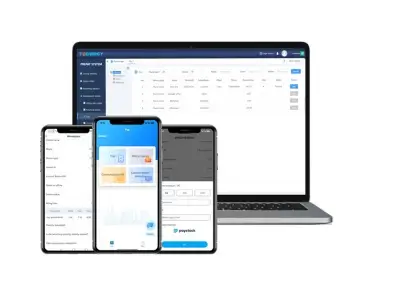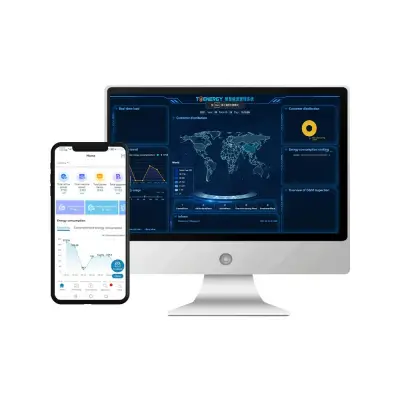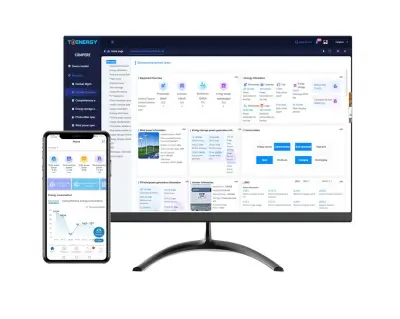

In order to thoroughly implement the requirements of the “Opinions of the CPC Central Committee and the State Council on Comprehensively Promoting the Construction of a Beautiful China”, “Opinions of the CPC Central Committee and the State Council on Completely and Accurately Implementing the New Development Concept and Doing a Good Job in Carbon Peaking and Carbon Neutrality” and “Carbon Peaking Action Plan before 2030”, we will accelerate the establishment of a carbon footprint management system, form a green and low-carbon supply chain and production and lifestyle, promote the development of new quality productivity, and help achieve the goals of carbon peaking and carbon neutrality. In May 2024, the Ministry of Ecology and Environment and 15 other departments jointly issued the “Implementation Plan for Establishing a Carbon Footprint Management System”. After the “Implementation Plan” was issued, the overall goals and stage tasks of the establishment of a carbon footprint management system were clarified. In this context, what should companies do? The product carbon footprint management system helps companies establish a carbon footprint management system from the following aspects.
1. Accurate data collection and integration
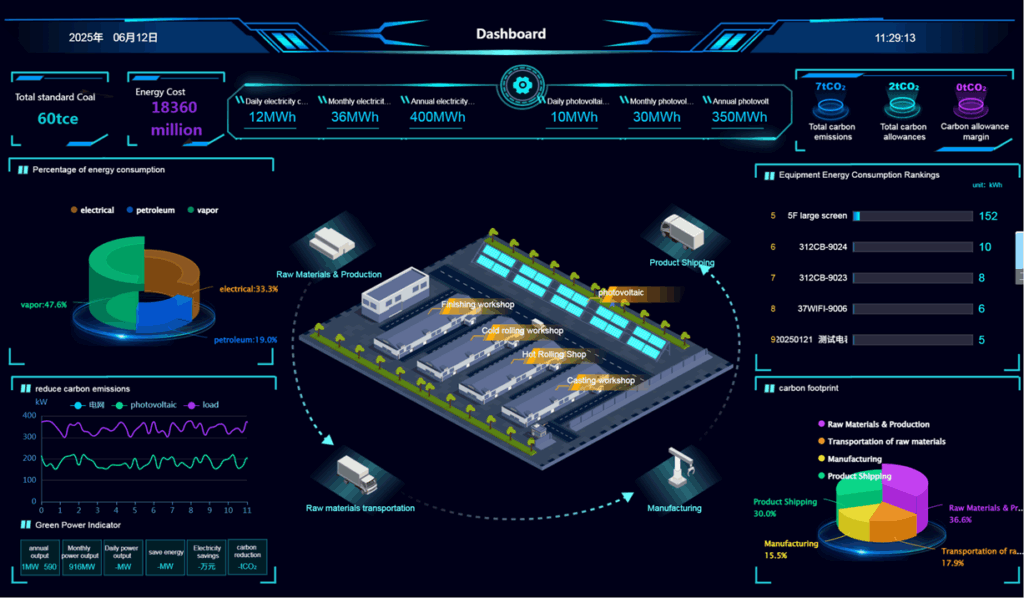
The product carbon footprint management system can realize the accurate collection of data from all aspects of the company’s production and operation. From the acquisition of raw materials, energy consumption in the production and processing process, emissions in the transportation link, to the product use stage and final recycling and treatment, the system can collect various types of data in real time, such as energy consumption, material input, transportation distance and method, etc. By integrating these multi-source data, it provides enterprises with a comprehensive and accurate carbon footprint information foundation. For example, in the raw material procurement link, the system can record the carbon content of raw materials from different suppliers and the carbon emissions during transportation, helping enterprises to screen out low-carbon suppliers and optimize the supply chain.
2. Full life cycle analysis
The system can analyze the carbon footprint of the product throughout its life cycle. Starting from the design stage of the product, the potential impact of its carbon footprint is considered. In the production stage, the carbon emissions of each process are accurately calculated, and high-energy consumption links are found for targeted improvements. In the product use and disposal stage, its impact on the environment can also be evaluated. For example, for electronic product companies, the system can analyze the contribution of the power consumption of the product during use and the difficulty of recycling and disposal after disposal to the carbon footprint, thereby prompting companies to focus on improving energy efficiency and recyclability when designing products.
3. Goal setting and monitoring
Enterprises can use the product carbon footprint management system to set clear carbon reduction targets. According to the historical data and industry standards provided by the system, determine the specific value of reducing the carbon footprint of the product within a certain period of time. The system can monitor the carbon emissions of the enterprise in real time, compare the progress of the target, promptly detect deviations and remind the enterprise to take measures. For example, if an enterprise sets a goal of reducing the carbon footprint of a product by 10% within a year, the system can generate reports every month or every quarter to show the gap between the actual carbon footprint and the target, prompting the enterprise to adjust its production strategy or increase its investment in emission reduction.
4. Decision support
The product carbon footprint management system provides strong support for the decision-making of enterprises. In terms of product research and development decisions, enterprises can choose low-carbon design solutions based on the results of system analysis, reduce the use of raw materials or use renewable materials. In production decisions, the system can help enterprises choose more energy-saving production equipment and processes, and optimize production processes to reduce energy consumption. In terms of market decisions, enterprises can compete with differentiation based on the low carbon footprint advantage of their products, meet consumers’ demand for environmentally friendly products, and increase market share.
5. Reporting and communication
The system can generate detailed carbon footprint reports to meet the needs of internal management and external communication of the enterprise. Internally, the management of the enterprise can understand the effectiveness of carbon footprint management through reports and provide a basis for strategic decision-making. Externally, companies can demonstrate their efforts and achievements in carbon reduction to customers, investors, regulators and other stakeholders, and enhance their sense of social responsibility and credibility. At the same time, these reports also help companies participate in activities such as carbon footprint labeling and certification, and enhance the market competitiveness of their products.
In short, the product carbon footprint management system provides strong technical support and tool guarantees for companies to establish a carbon footprint management system, helping companies take solid steps on the road to sustainable development.