
Industry Pain Points
As a typical sector with high energy consumption and stringent compliance requirements, the pharmaceutical industry’s energy consumption is concentrated in three core systems:
1. Environmental Control Systems
Cleanroom air conditioning and purification systems maintain GMP-compliant environments and consume a significant proportion of energy.
2. Process Support Systems
Refrigeration stations, steam boilers, and air compression systems support the production process, with frequent equipment startups and shutdowns and large load fluctuations.
3. Traditional Management Bottlenecks
Data Fragmentation: Energy data is dispersed across various subsystems, lacking cross-level visualization and analysis, making it difficult to implement refined management and control.
Supply and Demand Imbalance: Inadequate dynamic matching between process energy demand and energy supply often results in 5%-15% energy waste due to oversupply.
Delayed Equipment Operation and Maintenance: Status monitoring of key equipment (such as cleanroom air conditioning units and bioreactors) relies on manual inspections, resulting in a high risk of unplanned downtime, which directly impacts drug quality and stability.
Compliance Pressure: Under the dual carbon goals, requirements for carbon footprint accounting, green electricity trading, and environmental emissions regulation are becoming increasingly stringent.
Core Objectives of Energy Management
- Cost Reduction and Efficiency Improvement: Reduce energy consumption per unit of output value and improve energy efficiency.
- Compliance Assurance: Meet regulatory requirements such as GMP, ISO50001, and environmental emissions.
- Stable Supply: Ensure uninterrupted power supply for key equipment (such as clean air conditioners and bioreactors).
- Carbon Neutrality Support: Quantify carbon footprint and connect to green electricity trading and carbon verification.
System Architecture: Build the “Smart Brain” of Energy Management
1. Data Collection Layer
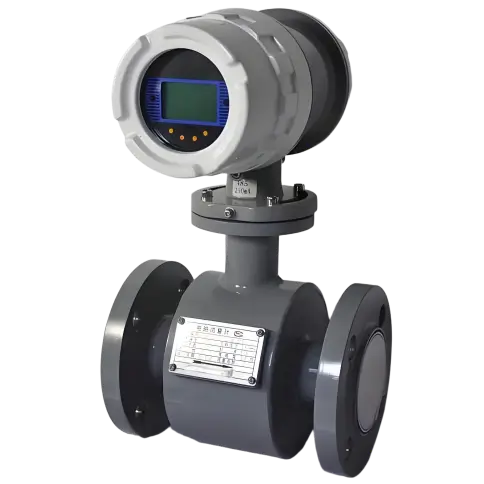
Global Monitoring: Deploy smart electricity meters, water meters, gas meters, temperature and humidity sensors, and other sensors across production workshops, laboratories, warehouses, and utilities.
Key Equipment Integration: Connect to PLC/DCS data from high-energy-consuming equipment such as refrigeration stations, air compressor systems, and boiler systems.
Edge Computing Nodes: Locally pre-process data to reduce server load and ensure real-time performance.
2. Platform Function Layer
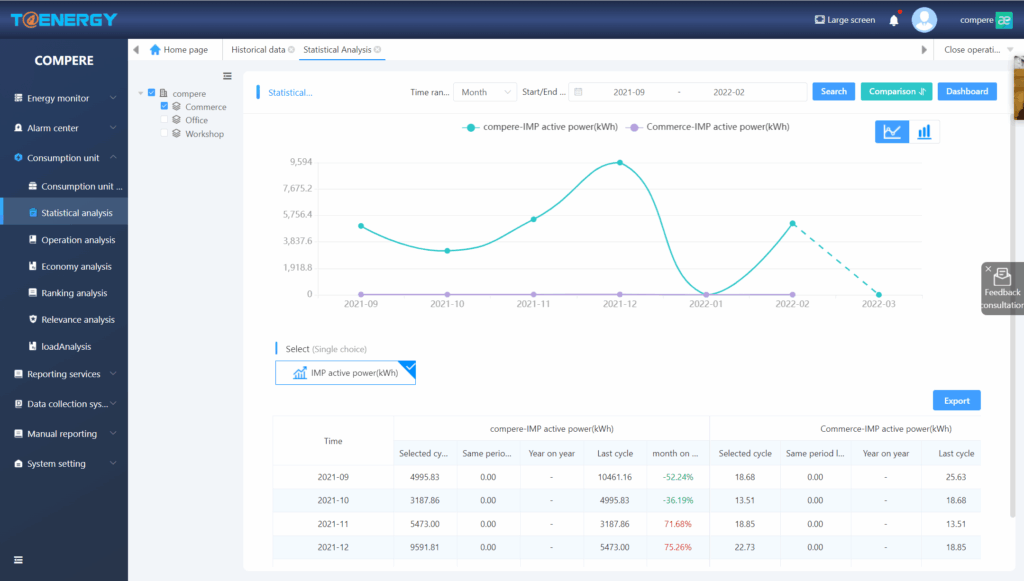
(1) Energy Monitoring Center
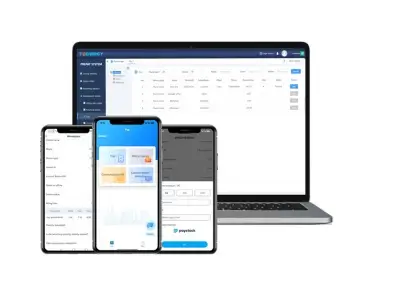
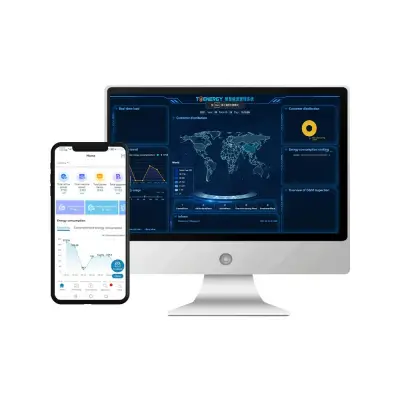
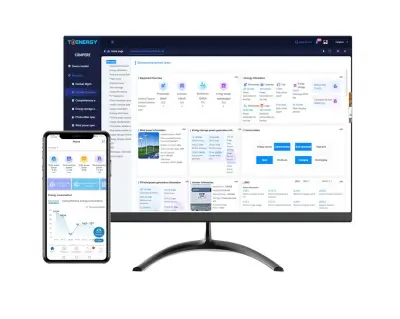
Visual Dashboard: Real-time display of the plant’s energy consumption (electricity, steam, water, gas), unit energy consumption (kWh/batch), and environmental parameters.
Abnormal alarm: Energy consumption exceeds the limit, equipment failure, automatic warning.
(2) Energy Efficiency Analysis Module
Multi-dimensional Benchmarking: Compare energy consumption differences by product line, process, and shift.
Cost Allocation: Calculate the energy cost of each workshop/department based on energy consumption data to support internal assessment.
(3) Intelligent Optimization Engine
Load Forecasting: Combine production plans with weather data to predict energy demand for the next 72 hours.
Dynamic Tuning: AI algorithm optimizes chilled water temperature and air compressor start-stop strategies.
Energy Storage Adaptation: If equipped with photovoltaic/energy storage, automatically match peak and valley electricity prices, giving priority to low-cost clean energy.
(4) Equipment Health Management
Predict faults based on equipment operation data (such as motor vibration and bearing temperature) to reduce unplanned downtime. Linked with the maintenance system, it automatically generates work orders and tracks their progress.
3. Application Layer
Mobile Inspection: The app receives alarm work orders and identifies energy consumption anomalies (such as pipeline leaks) on-site.
Management Decision-Making: Generates energy efficiency improvement reports and proposes technical modifications (such as replacing high-efficiency pumps or optimizing sterilization procedures).
Energy Saving Potential Analysis: Simulates the energy-saving and consumption-reduction effects and costs under different scenarios.
Core Value Realization
1. Direct Economic Value: Cost Reduction and Efficiency Improvement. The implementation of a smart energy management system in pharmaceutical companies can reduce energy costs by 3%-10% and equipment maintenance costs by 20%. This significant economic benefit will directly enhance profitability and provide a strong impetus for sustainable development.
2. Compliance and Brand Value: Meeting Regulatory Compliance and Improving Image. The system helps companies achieve 100% compliance with GMP inspection requirements, ensuring that pharmaceutical production processes adhere to quality standards. Furthermore, with improved ESG ratings, the company’s brand image will be further strengthened, increasing consumer and investor trust and recognition, creating favorable conditions for its long-term and stable development. 3. Sustainable Competitiveness: In line with the trend and leading the future. With the global pharmaceutical supply chain trending towards greening, the carbon footprint data provided by smart energy management systems has become a strong support for companies exporting their products to the European and American markets. This not only helps companies expand into international markets and increase their market share, but also enables them to stand out in the fierce market competition and build core competitiveness for sustainable development.