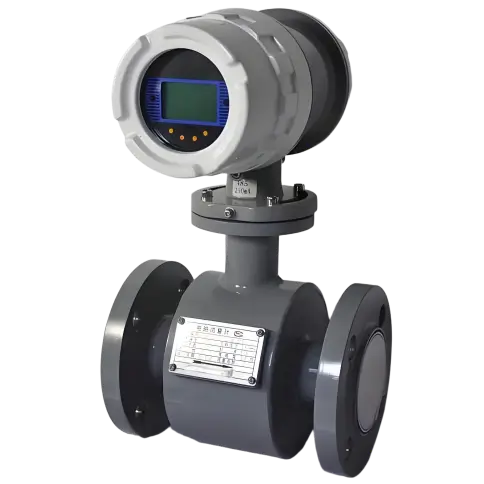
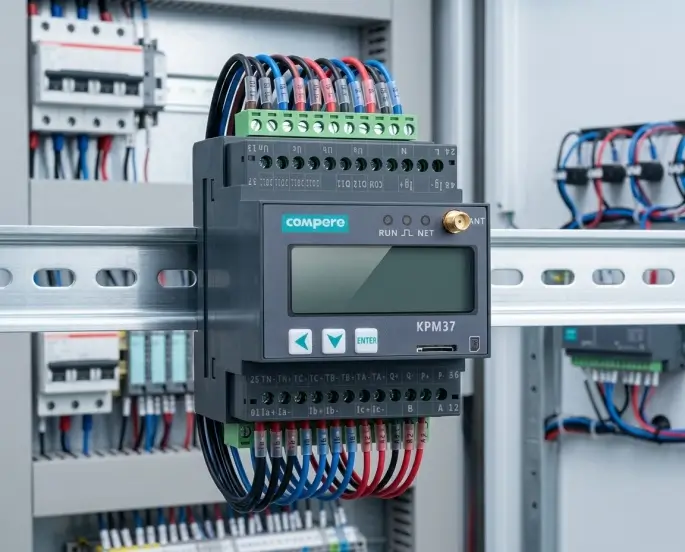
For industrial facilities and system integrators, meter accuracy is more than just a matter of bills; it’s about operational transparency. Modern smart energy meters, such as the KPM series, meet the 0.5S standard, capturing minute standby loads that older mechanical meters couldn’t measure. This article will reveal the real reasons behind rising electricity bills and teach you how to use electricity wisely.
Smart energy Meters vs Old Meters: The Truth About Metering Accuracy
“Smart energy meters run faster than old meters”—this is a common misconception among users. In reality, the answer is: it doesn’t run faster, but rather the metering is more accurate.
1. Say Goodbye to “Sneaky” Current Loss
Traditional mechanical meters use a mechanical rotating disc for metering, with a fixed starting current threshold. This means that older meters may not be able to sense or record some very weak standby currents, creating a “metering blind spot.”
Smart energy meters, on the other hand, use high-precision electronic components for metering, resulting in extremely high sensitivity. It can accurately capture and record all electrical consumption in your home:
Standby power consumption: The tiny current drawn by appliances such as TVs, air conditioners, washing machines, and routers in standby mode.
Low-power appliances: Phone chargers plugged into sockets for extended periods, small heating pads, etc.
It is this previously overlooked “hidden” electricity consumption that is now accurately recorded by smart energy meters, causing users to feel an increase in their total electricity bill initially after the meter is replaced.
2. Stricter Metering Standards
Smart energy meters adhere to stricter national standards. Their metering accuracy is generally higher than that of older mechanical meters. Therefore, rather than saying that smart energy meters “run faster,” it’s more accurate to say that they eliminate the metering errors caused by wear and tear, aging, etc., in mechanical meters, giving you a more accurate understanding of your home’s actual electricity consumption.
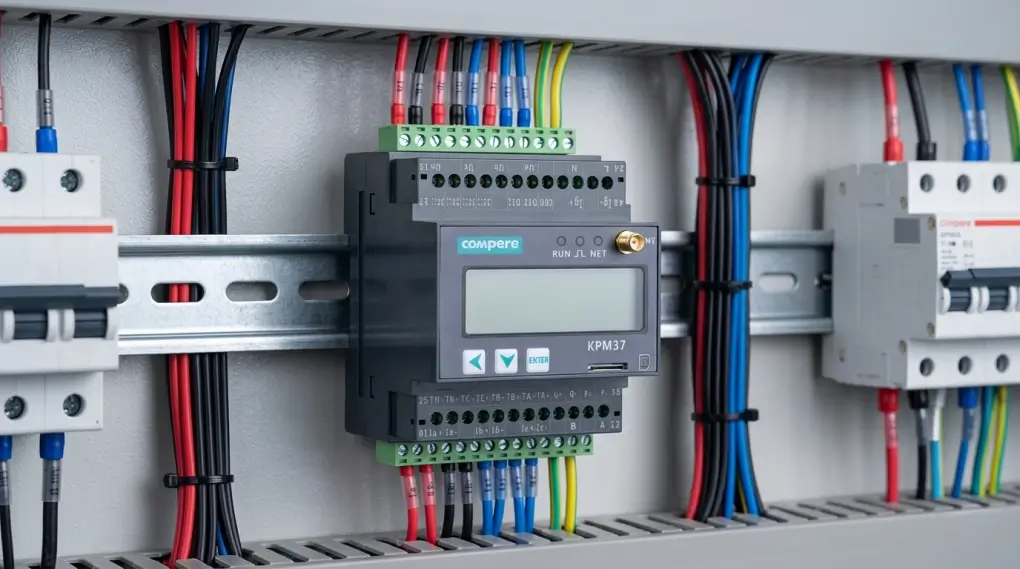
Four “Hidden Culprits” Behind Increased Electricity Bills
If you have ruled out the impact of meter accuracy and your electricity bill is still unusually high, then you need to check the following four common “hidden culprits.”
1. Seasonal and Habit Changes
This is the most common reason. For example, in summer, the frequency and duration of air conditioning cooling and dehumidification use increase significantly; in winter, high-power appliances such as electric heaters, water heaters, and underfloor heating may be used. In addition, the number of people in the household or prolonged periods of working from home also lead to a significant increase in overall electricity consumption and usage.
2. Overaged or faulty appliances “stealing electricity”
Appliances that have been used for many years, such as refrigerators and air conditioners, will have reduced operating efficiency due to aging components (such as reduced compressor efficiency and aging seals), resulting in actual power consumption significantly higher than the product’s original specifications. It is recommended to check and replace appliances that are overaged or making unusual noises.
3. Indoor wiring leakage
If increased appliance use has been ruled out, and electricity bills are still abnormally high, it may be due to damaged insulation in the indoor wiring, causing current leakage. This not only increases electricity bills but also poses a serious safety hazard. It is essential to have a professional electrician inspect and repair the wiring.
4. Tiered Electricity Pricing Upgrade
If your annual cumulative electricity consumption has entered a higher tier (e.g., moving from tier one to tier two), the unit price of electricity in that tier will increase. This means that even if your electricity consumption remains the same as last month, your electricity bill will increase due to the higher unit price.
For more information about prepaid electricity meters, please refer to this article for answers.
Prepaid Electricity Meter Guide 2026: Industrial Solutions for System Integrators & Property Managers5. Regarding Harmonics and Power Factor
In industrial environments, nonlinear loads (such as frequency converters and high-power motors) generate harmonics. Older meters may miss readings, but smart meters provide power quality analysis, ensuring that every kilowatt-hour of electricity consumption is recorded.
6. Regarding Leakage Monitoring
Emphasis is placed on real-time monitoring of abnormal currents via an RS485/Modbus-RTU communication interface, rather than manual inspection.
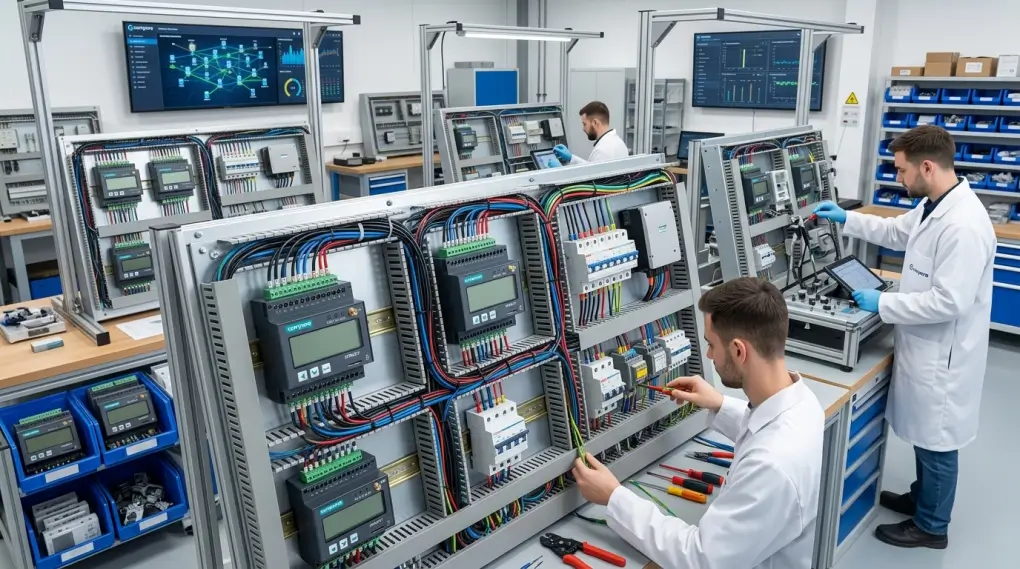
How Smart Meters Support Factory Retrofitting & Energy Saving
Sub-metering: Allocate costs accurately to specific production lines (Textile, Steel, etc.).
Retrofit Projects: Seamlessly replace outdated meters in old factory renovations using compact, DIN-rail mounted hardware.
Authoritative Clarification: Eliminating Two Major Misconceptions about Electricity Meters
To ensure your peace of mind regarding electricity use, we must clarify two common myths about smart energy meters:
Myth 1: Does the smart energy meter itself consume electricity from the user?
[Authoritative Clarification] No. The power consumption of the smart energy meter itself (i.e., meter wear) is already considered in the design. This loss is borne by the power supply company and included in the line loss (line loss) of the power grid, and will not be passed on to the user.
Myth 2: Can Smart Energy Meters Be Manually Or Remotely Sped Up?
[Authoritative Clarification] No. Smart energy meters used by the power supply department have all undergone strict mandatory verification by national legal metrology verification institutions to ensure their measurement accuracy meets national standards. The meter casing is protected by a lead seal. Any unauthorized disassembly or alteration of the meter readings is prohibited and will trigger the meter’s anti-theft function.
Conclusions and Calls for Action
Smart energy meters are a crucial component of a smart grid, offering far superior metering accuracy and functionality compared to traditional mechanical meters. The fundamental reason for rising electricity costs lies in eliminating metering errors and changes in electricity usage habits and appliance status.
Get Sample Meters for System Integration EvaluationPlease note: Bulk wholesale pricing and API protocol support (Modbus-RTU/MQTT) are available for OEM/ODM needs, system integrators (SIs), and energy management software service providers (EMS providers).