
With the continuous expansion of telecommunications networks (including wireless and mobile communications), the number of base stations has surged. Their operating costs, especially electricity expenses and management efficiency, have become core concerns for operators. This article will analyze in depth how smart energy meters can play a crucial role in base stations using technologies such as Wi-Fi and mobile communications, achieving refined, automated, and dispute-free energy management.
Pain Points of Communication Base Stations: From High Electricity Costs to Chaotic Management
Mobile communication base stations are the main energy-consuming units in telecommunications operations. In actual operation, managers generally face the following major challenges:
High frequency of electricity bill disputes: Many base stations are located in rented buildings or sites, and the meters are usually controlled by landlords or property management companies. Due to a lack of transparency, operators often have significant disputes with landlords regarding actual electricity consumption, affecting cooperative relationships.
Inefficiency and distortion of manual meter reading: Base stations are widely distributed and located in remote areas. Manual meter reading is time-consuming and labor-intensive, and data is prone to lag and errors, making real-time and refined management difficult.
Financial Risks and Uncontrolled Costs: Traditional postpaid models carry the risk of bad debts and are difficult to monitor and control effectively, leading to high overall operating costs.
Difficulty in Troubleshooting Power Anomalies: The lack of real-time monitoring makes it difficult to quickly detect and locate power anomalies caused by electricity theft, line losses, or equipment malfunctions.
Core of the Solution: The Application Value of WiFi/4G Prepaid Meters
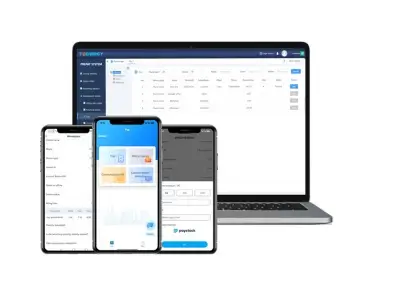
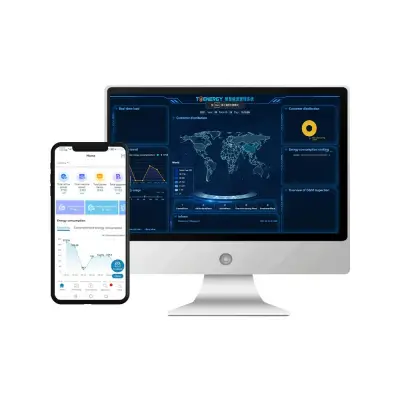
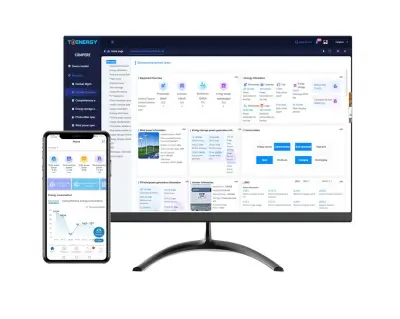
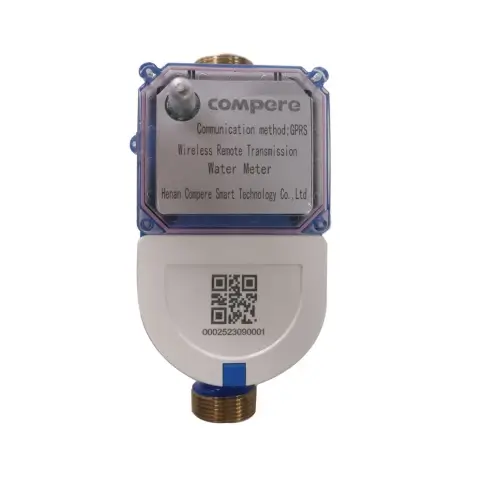
Smart meters, especially WiFi/4G prepaid meters integrating wireless communication technology, are a key tool for solving the above pain points. They transform energy management from a “passive payment” model to an “active control” model.
1. Automatic and Transparent Settlement Mechanism
Prepaid meters enforce the principle of “prepaid, then used.” Operators remotely recharge the meters through the energy management system, and the meters deduct the amount in real time based on actual consumption. This mechanism brings two key advantages:
Eliminating Disputes: The terminal meter measures and controls electricity consumption in real time, and the data is automatically uploaded, eliminating settlement disputes between operators and landlords, ensuring complete transparency in electricity billing.
Fund Security: Pre-locking energy expenditures significantly reduces the risk of arrears and bad debts under the postpaid model, optimizing cash flow management.
2. Refined Remote Automatic Management
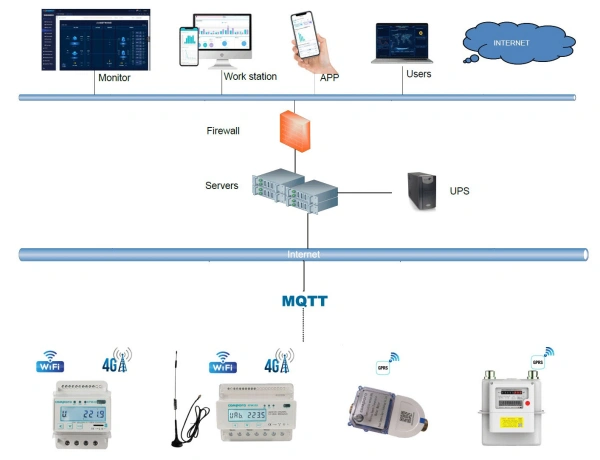
Smart meters integrate WiFi or advanced mobile communication modules (such as IoT-specific technologies) to ensure reliable data transmission of electricity consumption.
Real-time Alarms and Control: The system automatically sends an alarm notification when the pre-stored electricity is about to run out. If the balance is zero, the meter will automatically cut off power. After recharging, the system can remotely send commands to restore power.
Energy Consumption Monitoring and Anti-Theft: The meter not only transmits electricity consumption but also provides voltage and current data to help operators analyze electricity usage behavior. The integrated anti-theft function can monitor anomalies in real time and immediately alarm upon detection, effectively combating electricity theft.
Technical Support: Wireless Communication Ensures Data Transmission
The successful application of smart meters in telecommunications base stations relies on reliable communication capabilities. Base stations themselves are the core of the communication network, providing natural convenience for data transmission from the meters.
Mobile Communication Network: Utilizing the extensive mobile networks of telecom operators (including dedicated IoT channels), meter data can be efficiently, stably, and with low power consumption transmitted to the central management platform, even in remote areas.
WiFi or LAN: In base station equipment rooms or scenarios with LAN access, WiFi or other short-range wireless technologies can be used to collect data, which is then transmitted back through the base station’s access network.
This data collection model based on the operator’s own network not only reduces deployment complexity but also significantly improves the reliability and security of data transmission.
ummary and Future Outlook: Towards Green and Efficient Energy Operations
1. Article Summary
For the telecommunications industry, prepaid smart meters are a comprehensive solution for reducing energy costs and increasing efficiency at base stations, eliminating electricity bill disputes, combating electricity theft, and optimizing cash flow. It upgrades the traditional, chaotic, and high-risk energy management model into an automated, transparent, and controllable modern operating model.
2. Industry Future Outlook
Looking to the future, smart meters will transcend simple metering functions. As operators actively embrace green energy and sustainable development strategies, base stations are beginning to integrate solar energy, energy storage systems, and other technologies. Smart meters will become the core gateway for base station microgrids, managing not only external power supply but also internal power generation, storage, and consumption scheduling. This will further promote energy conservation, emission reduction, and carbon neutrality goals in the telecommunications industry while ensuring communication continuity.