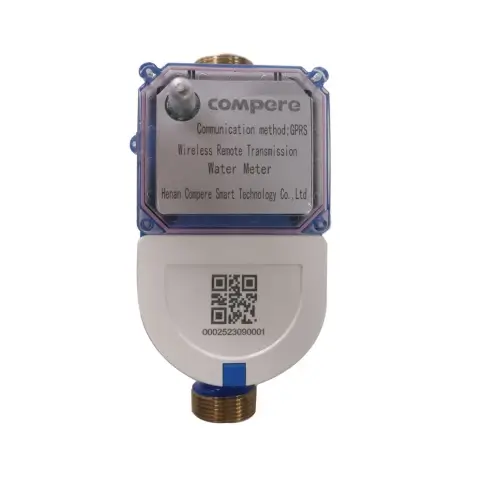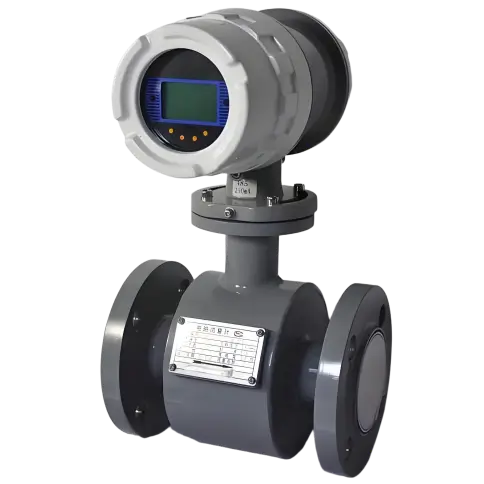

With the widespread adoption of smart meters, many observant consumers have noticed that these meters, equipped with LCD screens, communication modules, and various indicator lights, resemble miniature computers.
This raises a question: since they are electronic devices, smart energy meters must consume electricity. So, is the electricity cost incurred by the meter included in our bills?
Today, we’ll dissect this issue and thoroughly discuss the “hidden costs” within smart meters.
Do Smart Meters Consume Electricity?
The answer is yes: they consume electricity.
Traditional mechanical meters rely on electromagnetic induction to rotate a disc, consuming minimal power. However, modern smart meters integrate microprocessors, LCD displays, remote communication modules (for enabling balance checks and automatic meter reading via mobile phone), and storage chips. All this hardware consumes energy as long as it’s operating.
According to relevant technical standards, the power consumption of a smart meter is approximately 2 watts (W).
Key Question: Who Pays for This?
This is the most pressing question. Many netizens worry: “I run my meter every day, consuming several kilowatt-hours a year. Isn’t this ‘stealing’ my money?”
The truth is: the power consumption of the smart meter itself is entirely borne by the power company; the meter doesn’t record it at all.
Why doesn’t the meter record it?
This involves the meter’s circuit design. In terms of physical circuit structure, the smart meter’s power source is upstream of the metering transformer (or shunt).
In simpler terms:
The user’s electricity consumption: must pass through the meter’s “weighing sensing area” to be recorded.
The meter’s own electricity consumption: is like the indicator light under the scale; it’s directly connected to the main power grid line and doesn’t pass through the “sensing area.”
Therefore, regardless of whether the meter screen is lit or the indicator light is flashing, this electricity consumption is considered grid line loss (line loss), paid for by the power company, and not recorded in your personal account.
III. Since the meter itself doesn’t consume electricity, why does the electricity bill seem to increase after replacing the meter?
This is another frequently complained-about issue. Since the meter itself doesn’t cost money, why do many people feel their electricity bills skyrocket after replacing their meter? There are three main scientific reasons:
1. Reduced Sensitivity
Old-fashioned mechanical meters, after prolonged use, experience wear and rust in their internal bearings, leading to increased friction. Just like a rusty scale, the “starting price” becomes higher. The weak current generated by many low-power appliances (such as phone chargers and power strip indicator lights) is simply too much for the old meter to handle, resulting in missed readings. Smart meters, on the other hand, are entirely electronic and can accurately detect even the standby indicator light on a TV.
2. Standby Power Consumption is Revealed
Modern households have increasingly more appliances: routers, set-top boxes, smart speakers, and water dispensers that run 24/7. While these appliances may seem individually inexpensive, the accumulated “standby power consumption” from being on all day can amount to over ten kilowatt-hours per month. The precision of smart meters makes hidden electricity consumption impossible to conceal.
3. Changes in Rated Current
Older meters were typically rated at 5 amps with a maximum of 20 amps, while newly installed smart meters are mostly rated at 5 amps with a maximum of 60 amps. This means the new meters can handle greater instantaneous power (such as multiple air conditioners running simultaneously), offering a wider and more stable metering range.
How to Determine if Your Meter is “Running Fast”?
If you still have doubts, here are two simple self-test methods:
“Shutdown” Test: Turn off all electrical appliances in your home and unplug them. Observe the “pulse light” (usually red) on the meter. If the pulse light stops flashing completely, the meter is measuring normally, and there is no leakage or electricity theft.
Check Power: Use the query button on the meter to turn to the “Current Total Instantaneous Power” page. If you have turned off all large appliances, but the power reading is still high, you should check for leaks or your neighbors “borrowing” your electricity.
Conclusion
Smart meters, as the “nerve endings” of the modern power system, are far more sophisticated than we imagine. They not only won’t cost you money, but they can also help you identify potential energy efficiency issues in your home through more accurate data.
If you still have significant objections to your electricity bill, the most legitimate way is to call the official meter manufacturer to request official calibration. Remember, never attempt to remove the meter seal yourself; doing so may be illegal!