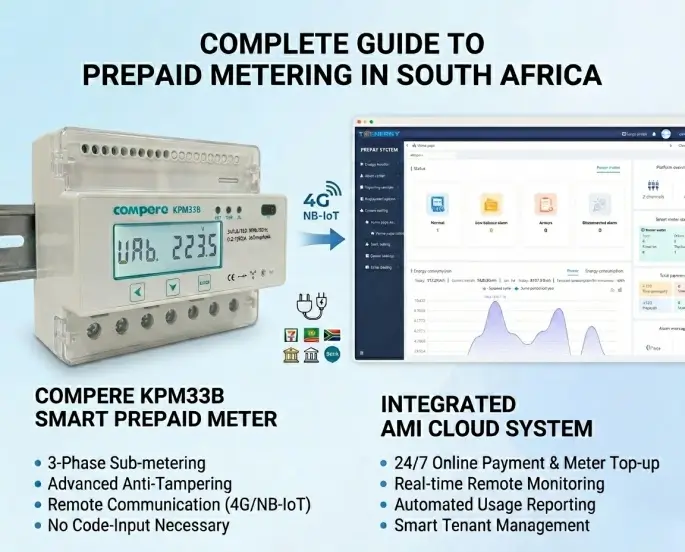
As one of Africa’s largest economies, South Africa has consistently been at the forefront of the power infrastructure sector. Faced with the national power company’s grid crisis, rising electricity prices, and persistently high losses from electricity theft, the application of prepaid electricity meters and systems in the South African market has experienced explosive growth.
Whether in the public utility sector or the private property sector, this digital metering model has become a significant indicator of the current transformation of South Africa’s power grid.
Core Drivers of the South African Prepaid Market
South Africa boasts a large user base of prepaid meters. The core drivers propelling this market’s continued expansion come primarily from the following three dimensions:
Revenue Protection for Power Companies: Under the traditional postpaid model, arrears, late payments, and billing disputes place a heavy financial burden on municipalities and power companies. Prepaid systems enable “pay first, use later,” fundamentally eliminating the risk of bad debts and significantly reducing the manpower costs of meter reading, reconciliation, and collection.
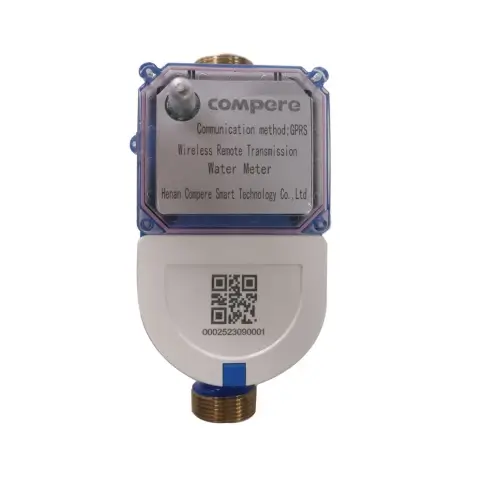
Combating Electricity Theft and Meter Tampering: It is estimated that South Africa loses tens of billions of rand in electricity revenue annually due to illegal wiring, meter tampering, and electricity theft. Modern smart prepaid meters integrate anti-tampering mechanisms; if the casing is illegally opened or there is a wiring abnormality, the system will automatically cut off power and send an alarm to the backend.
The Rigid Demand in the Property Rental Market: Under the postpaid model, tenant arrears in electricity bills often lead to landlords facing huge municipal bills. Therefore, residential developers, commercial real estate developers, and independent landlords in South Africa are launching a wave of “prepaid submetering” upgrades to mitigate financial risks and achieve refined energy management.
Core Technological Trends In Modern Prepaid Systems
With the development of IoT technology, the demand for prepaid systems in the South African market is rapidly transitioning from traditional offline, button-based metering to online and intelligent systems.
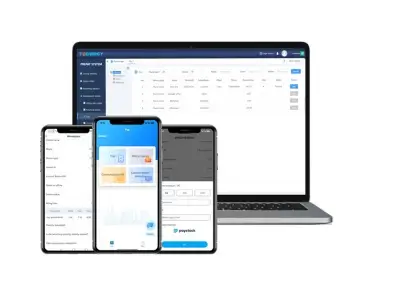
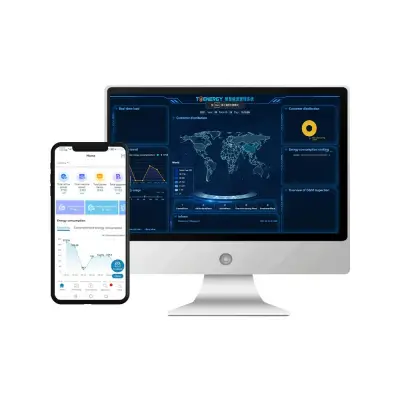
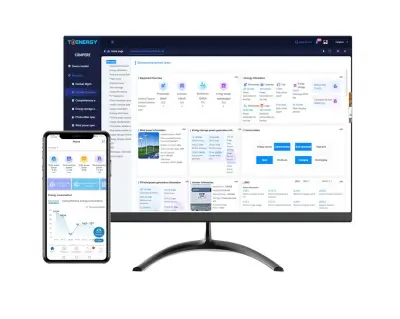
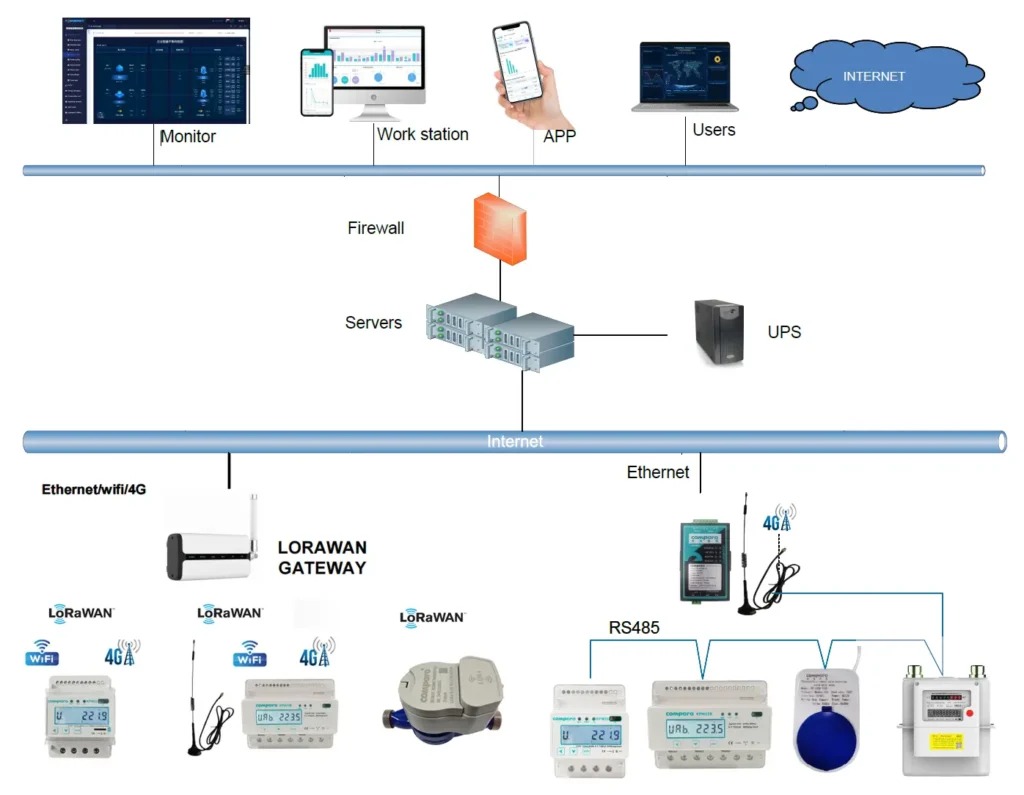
The new generation of prepaid systems places greater emphasis on remote communication capabilities. By integrating communication modules such as 4G, WiFi, or LoRaWAN, the meter can interact with a cloud-based electricity sales management platform in real time. This architecture not only eliminates the hassle of users manually entering codes, but also allows power operators or property managers to monitor meter status in real time, remotely issue power control commands, and adjust dynamic tariffs (Tariffs) based on time periods.
Simultaneously, system security is systematically enhanced. Modern systems employ more advanced end-to-end data encryption technology to ensure the integrity of electricity sales data during transmission, preventing data tampering or forgery.
Business Ecosystem and Omnichannel Electricity Sales
South Africa boasts a highly mature prepaid electricity sales network. Consumers’ electricity purchase channels are no longer limited to power company branches, but have become integrated into all aspects of daily life:
Mobile and Digital Payments: With the widespread adoption of mobile internet and digital finance, third-party prepaid management apps, online banks, and e-wallets have rapidly emerged. Users can complete online top-ups via their mobile phones, with the top-up amount being sent to the meter in real time via the network.
Independent Account Escrow and Data Services: For the property management market, compliant prepaid service providers establish independent escrow accounts for each building or project and provide property owners with daily/monthly reports on abnormal electricity usage (such as tracking meters with consecutive low or zero top-ups) to investigate potential electricity theft or meter damage risks.
Market Challenges and Future Outlook
Despite the high penetration rate and strong growth momentum of the South African prepaid meter market, challenges remain. Firstly, there is the struggle against energy poverty; due to the continuous surge in electricity prices in South Africa in recent years, some low-income households face a heavy burden of electricity bills. Secondly, hacking attacks and advanced physical bypass techniques targeting prepaid systems are constantly evolving, placing higher demands on the anti-tampering and anti-physical damage design of meters.
Future Development Trend
The future development trend is very clear: prepaid systems are deeply integrating with the Smart Grid (AMI).
Meters will no longer be mere billing terminals, but nodes in the Internet of Things (IoT). Power companies and property managers can utilize big data management systems to accurately predict, analyze, and schedule the entire grid load. For electricity meter companies seeking to expand overseas, providing cost-effective smart prepaid solutions with strong long-distance communication and high tamper resistance will be key to capturing the profits in the South African and surrounding African markets.