The Hebei Iron and Steel Group Energy Management Project Case Study belongs to the steel industry. Founded in 1995 and located in Wu’an City, Hebei Province, the company currently employs over 4,000 people and has fixed assets exceeding 4 billion yuan. It is a comprehensive enterprise integrating ironmaking, steelmaking, steel rolling, casting, and import and export.
I. Project Profile
Project Name: Hebei Iron and Steel Group Energy Management System Project Case
Industry: Steel Industry
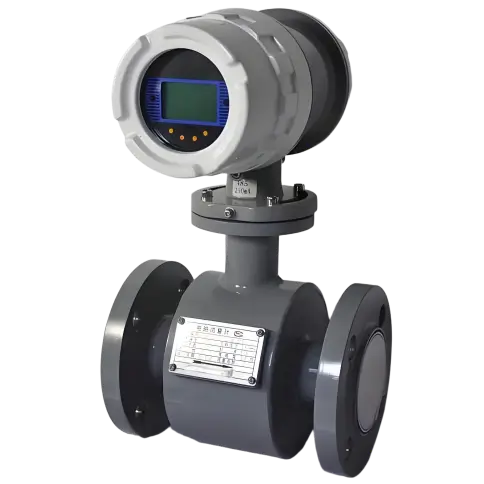
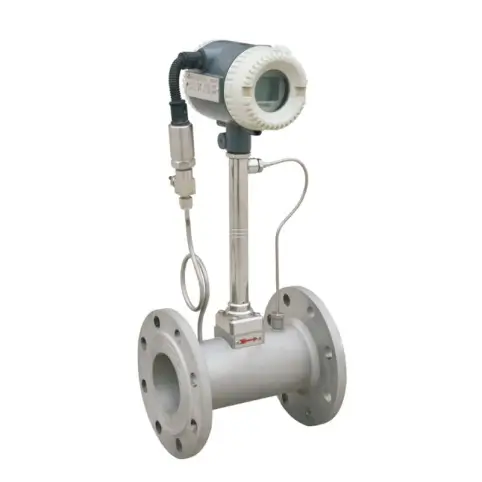
Project Procurement Related Equipment: One energy management system and one batch of auxiliary materials
II. Project Overview
Hebei Iron and Steel Group Jinding Heavy Industry Co., Ltd. was founded in 1995 and is located in Wu’an City, Hebei Province. The company currently employs over 4,000 people and has fixed assets exceeding 4 billion yuan. It is a comprehensive enterprise integrating ironmaking, steelmaking, steel rolling, casting, and import and export. Designated a “China Casting Pig Iron Base” by the China Foundry Association, the company is one of the top 100 enterprises in Hebei Province and an outstanding energy-saving unit during the 11th Five-Year Plan period. Its products are exported to countries such as the United States, the United Kingdom, Germany, and Japan. Hebei Iron and Steel Group Jinding Heavy Industry Co., Ltd. has established an energy management platform to comprehensively monitor energy consumption information and equipment operating status, achieving sustainable development while ensuring safe equipment operation.
Customer Needs:
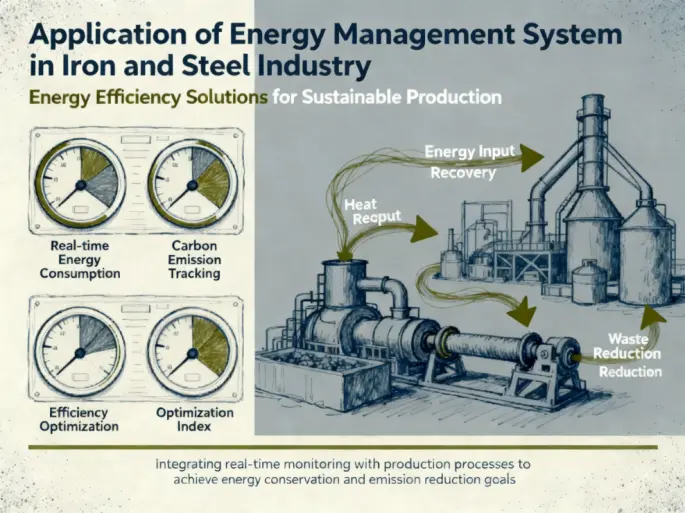
Steel companies use energy management systems to monitor energy media and energy consumption information to improve energy management. Steel companies have a wide variety of energy media and complex energy consumption information.
Energy media primarily include: blast furnace gas, coke oven gas, converter gas, natural gas, oxygen, nitrogen, argon, compressed air, steam, hydrogen, heating networks, domestic water, industrial clean circulating water, industrial filthy circulating water, brine, demineralized water, phenol-cyanide solution, softened water, and electricity.
Energy media information includes: pressure, flow, temperature, gas calorific value, switch signals, power equipment operating status, and the operating status of main production line equipment.
III. Energy Management System Solution
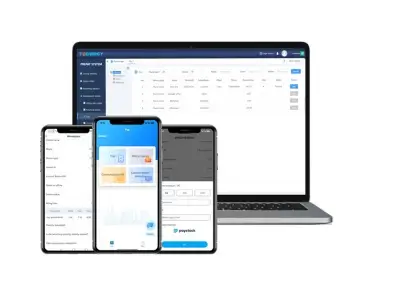
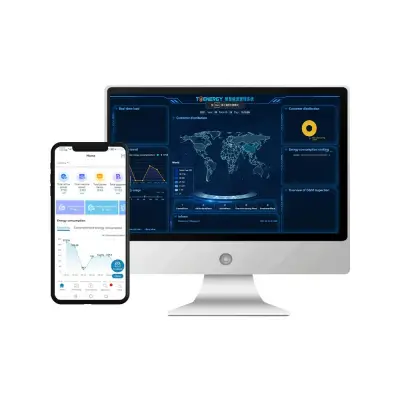
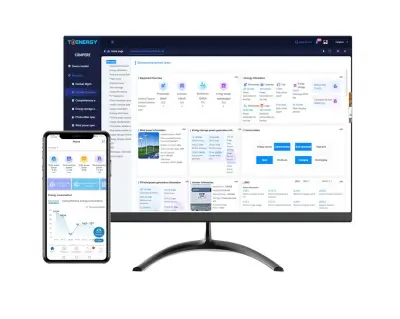
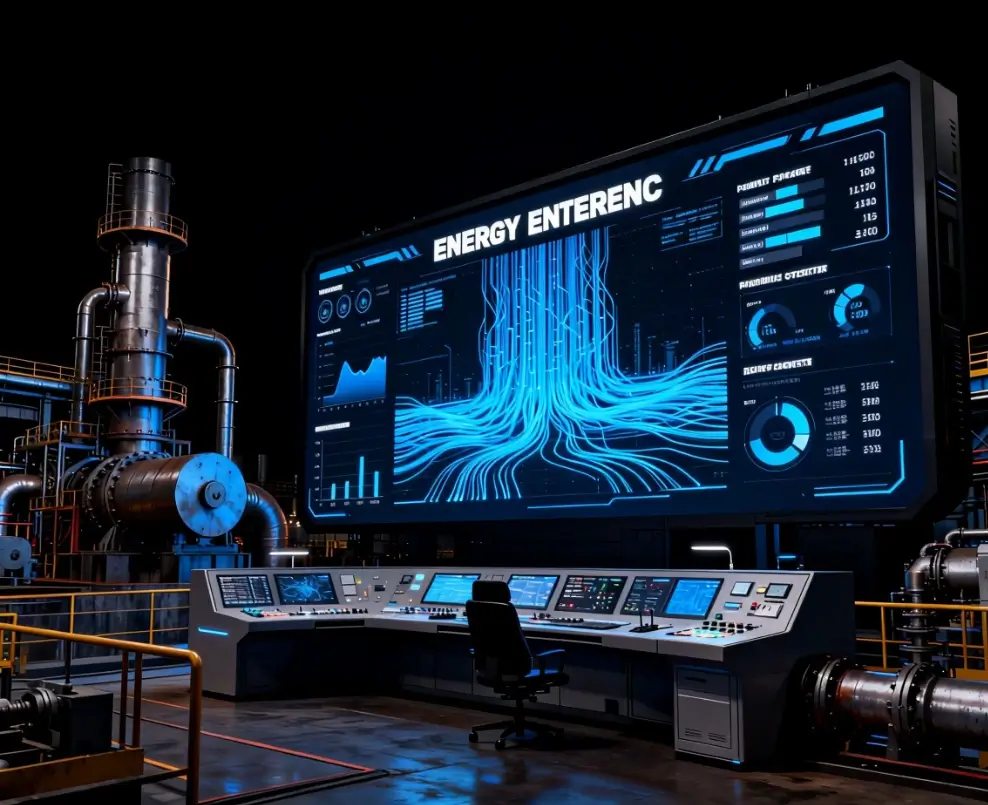
The T@Energy smart energy management system architecture consists of three layers: energy efficiency management layer, network communication layer, and field device layer. This solution combines network communications, database products and technologies to establish an advanced energy management system that meets the management application functions of steel enterprises. The main functions of the T@Energy smart energy management system include energy dashboard, energy monitoring, video monitoring, energy consumption statistics, energy consumption analysis, report services, production management, alarm center, equipment management, etc. The following mainly introduces the four functions of energy monitoring, energy consumption statistics, report services, and alarm center:
(1) Energy monitoring By establishing a reliable data acquisition system, energy flow data (such as current, voltage, temperature, power, environmental data, etc.) and equipment status (etc.) are collected; auxiliary interfaces such as process monitoring, process curves and information display are provided to complete the monitoring function of the operating status and data of energy-consuming equipment.
(2) Energy consumption statistics
Monitor and analyze the energy consumption profile of different types of energy media and energy-consuming equipment, and query the energy consumption of energy-consuming equipment in different time periods to facilitate the analysis of abnormal energy consumption.
(3) Report service
The report service function is very complete. Users can print personalized reports for different types of energy media according to their actual needs, such as selecting the format type and period of the report. This function avoids the errors caused by manual transcription of equipment energy consumption data, on the one hand, ensuring the accuracy of the data, and on the other hand, reducing the workload of operation and maintenance personnel.
(4) Alarm center
This function is of great significance in ensuring the reliable operation of energy-consuming equipment and improving the operation and maintenance level of energy-consuming equipment. By setting alarm thresholds for key operating equipment through this function, users can quickly discover abnormal operation of equipment and minimize the economic losses caused by abnormal operation of equipment.
IV. Benefits brought to customers by energy management system
Jinding Heavy Industry’s establishment of an energy management system platform not only improves enterprise information integration, but also offers numerous other benefits. For example, the steel energy management system has enabled Jinding Heavy Industry to improve energy quality and optimize energy assets, ensure the reliable operation of energy-consuming equipment, monitor energy efficiency, identify energy savings opportunities, and establish scientific energy consumption assessment indicators. These benefits are crucial to the company’s sustainable development.