In modern communication networks, tower operators face a significant challenge: how to control soaring energy costs while ensuring 100% network uptime? Many towers are located in remote areas where the power grid is either extremely unstable or completely lacks grid coverage, relying solely on backup power systems consisting of diesel generators (DG) and battery banks. To reduce operating costs (OPEX) without sacrificing reliability, operators are accelerating their shift towards intelligent monitoring and automated management solutions.
The Dual Challenges of Energy Management at Remote Sites
Tower operators typically face two core pain points when managing power at remote sites:
High Energy and Maintenance Costs: Diesel generation, transportation, theft prevention, and frequent on-site maintenance account for the majority of operating costs at remote sites.
Lack of Real-Time Visibility: Without remote monitoring, operators can only “respond passively” after outages occur, or are forced to send technicians to the site regularly for inspections, which is not only time-consuming and labor-intensive but also highly delayed.
Core Components of an Intelligent Monitoring System
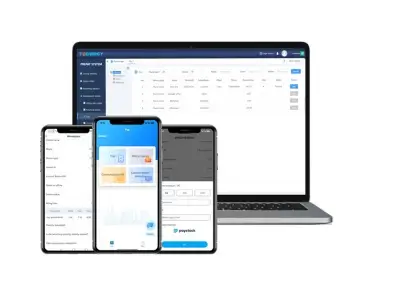
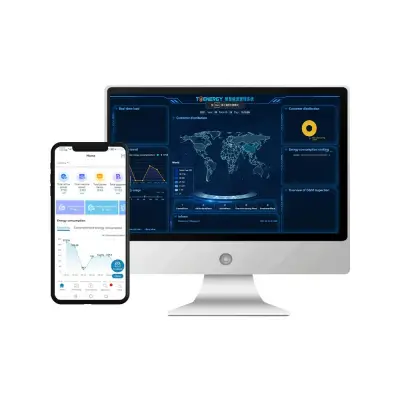
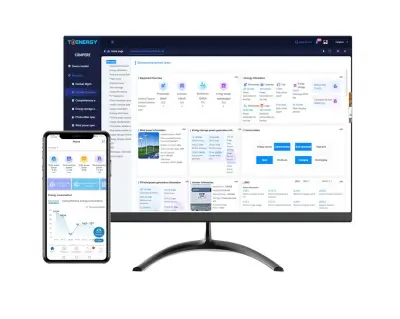
To achieve efficient management, modern telecommunications towers have introduced remote monitoring systems. These systems utilize Internet of Things (IoT) technology to tightly connect on-site hardware devices with a cloud management platform.
Core Hardware and Sensors
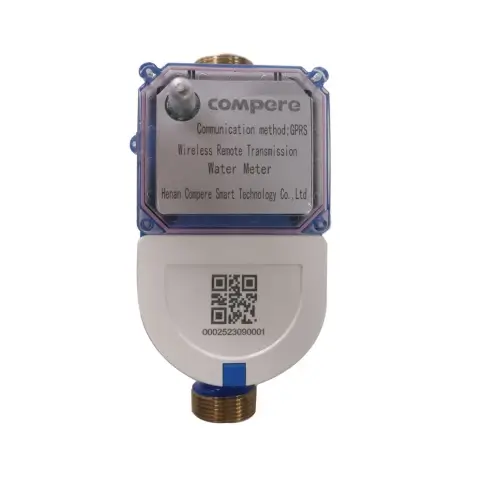
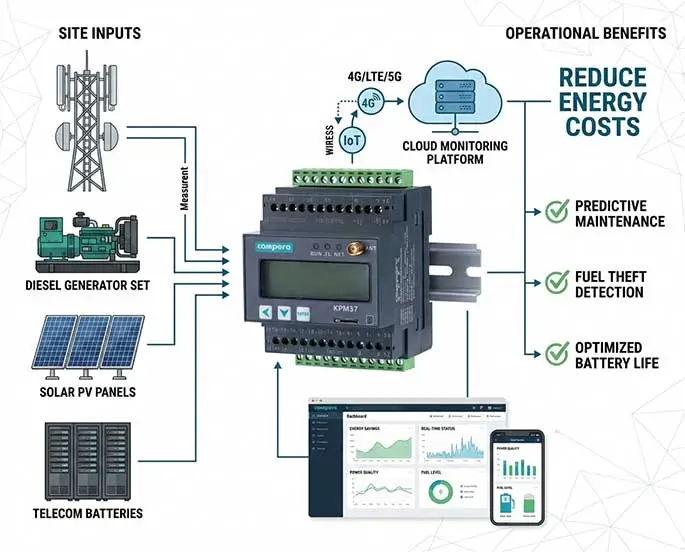
Smart Energy Meters: Real-time monitoring of power quality, voltage fluctuations, and power consumption from the mains power supply.
Battery Management System: Monitors the voltage, current, internal resistance, and temperature (SoC/SoH) of each battery cell, accurately predicting battery life.
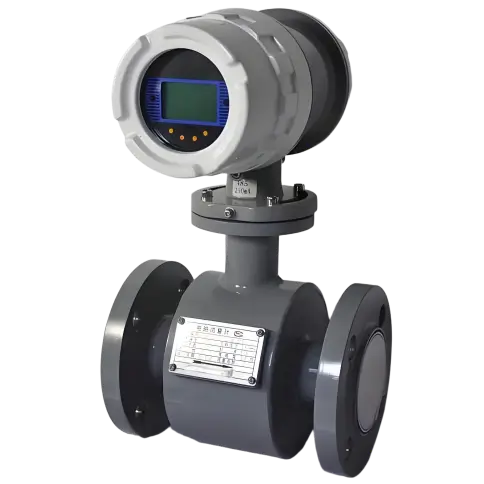
Fuel Level Sensor: Employs ultrasonic or pressure sensors to monitor the remaining diesel fuel in the tank in real time and can sensitively detect sudden drops in level caused by fuel theft.
IoT Gateway: Collects data from all on-site sensors and devices (such as inverters and generator controllers) and securely transmits it to the central cloud platform via 4G/5G or satellite networks.
How to Reduce Energy Costs Through Intelligent Monitoring?
By deploying remote monitoring, operators can shift from “passive maintenance” to “proactive optimization,” significantly reducing costs in several areas:
Hybrid Optimization of Generator and Battery Operation
In areas without mains power or with frequent power outages, the system intelligently controls the alternating operation of the generator and battery. The generator operates only during its high-efficiency load range to quickly charge the battery before shutting down. The battery powers the rest of the time. This model not only significantly reduces diesel consumption but also extends generator maintenance intervals.
Eliminating Fuel Theft and Fraud
Fuel assets constitute a large portion of OPEX at remote sites. By cross-referencing real-time fuel level monitoring with refueling records, the system immediately triggers an alarm and activates on-site monitoring upon detecting abnormal fuel drops (such as a sharp drop in fuel level within minutes), effectively curbing internal or external fuel theft.
Predictive Maintenance
By analyzing historical data, the system can issue early warnings before actual generator or battery failures occur. For example, when an abnormally high internal resistance of a battery is detected, the system will prompt the replacement of that single cell to prevent the entire battery pack from becoming unusable or causing a sudden power outage, thereby reducing emergency response costs.
Intelligent Temperature Control and Environmental Management
Base station equipment rooms or cabinets typically require air conditioning for cooling. Intelligent monitoring can coordinate the control of the fresh air system and air conditioning based on outdoor temperature. At night or during cold seasons, natural cooling sources are prioritized, directly reducing electricity costs associated with air conditioning.
Towards Green Towers: Integration of Renewable Energy
With the decreasing cost of solar photovoltaic (PV) and wind power generation, more and more tower operators are incorporating renewable energy into the power structure of remote sites.
Through monitoring systems, operators can achieve multi-energy complementary management of “photovoltaics-storage-diesel-grid”. The system prioritizes the use of free solar energy, storing excess electricity in lithium batteries, with grid power and diesel engines serving only as a last resort. This not only brings energy costs closer to zero but also helps telecommunications companies achieve their carbon reduction environmental goals.
Say Goodbye to “Iron Feet” and “Confusing Accounts”: Ensuring Every Kilowatt-Hour of Electricity is Used Effectively
Ultimately, for today’s telecom tower operators, remote energy monitoring is no longer an optional task, but a mandatory one concerning core profits. It’s not just about equipping base stations with “eyes and ears” that can see and hear from afar; it’s about transforming the previously murky energy accounts into clear and transparent profit accounts. When every drop of diesel fuel consumed, every battery charge and discharge, and every ray of sunlight utilized is under control, operators reap not only real savings in OPEX, but also the confidence to confidently face future green and low-carbon challenges.