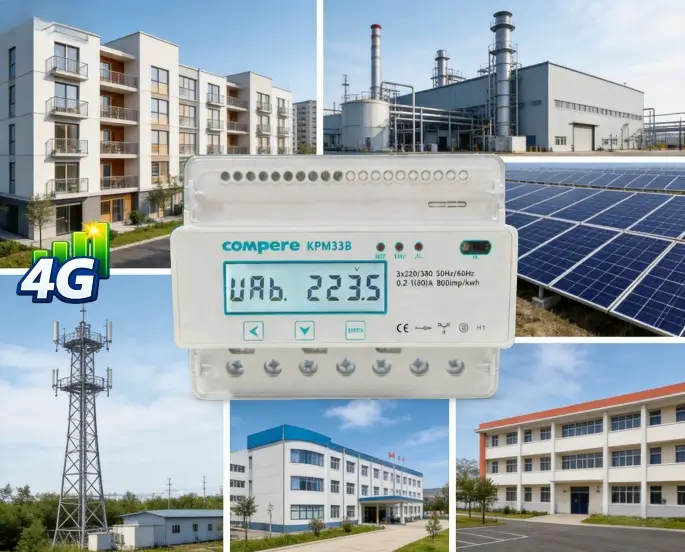
4G smart energy meters are currently widely used in industrial and commercial sectors, primarily due to their gateway-free operation, plug-and-play functionality, strong real-time performance, and wide signal coverage. Compared to solutions like WiFi or LoRa, the core advantage of 4G meters lies in their independence—they can directly upload data to the cloud wherever there is a mobile signal.
Several Main Application Scenarios for 4G Smart Energy Meters
1. Decentralized Rental Property Management
For geographically dispersed properties, setting up a unified gateway for rental property management is extremely costly and difficult to maintain.
Long-term rental apartments and street-front shops: Landlords can remotely monitor the electricity usage of each room or shop using 4G meters.
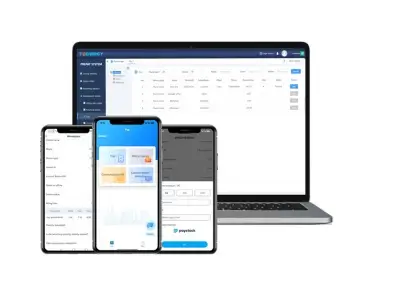
Remote prepaid billing: Tenants can top up their accounts via a mobile app or mini-program. The meter automatically cuts off power when a payment is overdue, eliminating the need for manual meter readings or payment reminders, greatly solving the problem of “difficult electricity bill collection.”
2. Industrial Parks and Enterprises
In large factories or office buildings, energy distribution is complex, making it impossible to comprehensively monitor the electricity consumption of each area. Therefore, refined electricity management is necessary.
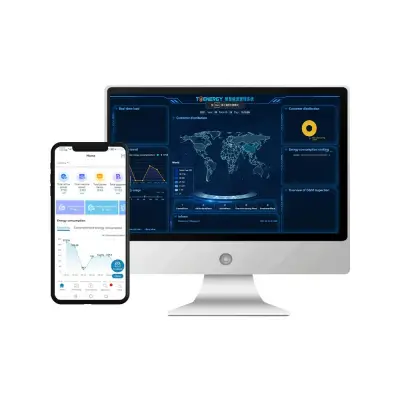
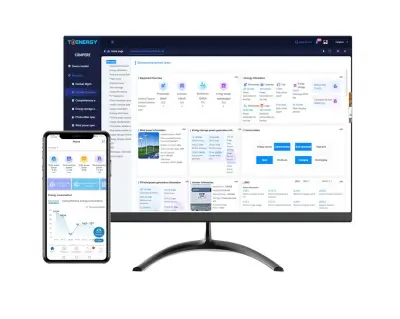
Energy Monitoring: Real-time monitoring of electricity consumption data from large equipment helps enterprises analyze peak electricity demand and optimize electricity usage plans to reduce electricity costs.
Branch Metering: Independent billing for different workshops or departments ensures transparent cost accounting.
3. New Energy and Distributed Generation
The high bandwidth and low latency of 4G meters make them ideal for monitoring green energy.
Photovoltaic Power Generation Monitoring: Installed at photovoltaic grid connection points, monitoring the real-time power output and cumulative power generation of inverters facilitates applications for government subsidies or P2P electricity trading.
Charging Pile Integration: Providing billing and communication support for electric vehicle charging piles, ensuring the real-time and secure transmission of transaction data.
4. Remote Areas and Outdoor Base Stations
In environments lacking broadband network infrastructure, 4G is the only means of communication.
Communication Base Station Power Consumption Monitoring: Telecom operators need to monitor the energy consumption of thousands of distributed base stations. 4G smart meters can ensure real-time reporting of power outage alarms and power consumption data even when unattended.
5. Smart Buildings and Healthcare/Schools
In locations with high data security requirements and complex building structures, the requirements for smart meters are relatively high.
Hospitals and Laboratories: Ensuring stable power supply for critical equipment and sending alarms immediately in case of power anomalies (such as overload or overvoltage).
School Dormitory Management: Batch management of student dormitory power consumption, setting power limits or automatic power-off periods to prevent fire hazards caused by unauthorized electrical appliances.
Summary and Outlook
With the deepening development of the Industrial Internet of Things (IIoT), 4G smart meters not only solve the pain points of “difficult meter reading” and “difficult billing,” but also provide the most balanced and efficient solution currently available if you are facing power management challenges such as distributed management, complex environments, and difficult wiring.