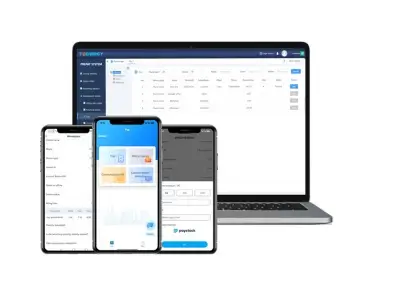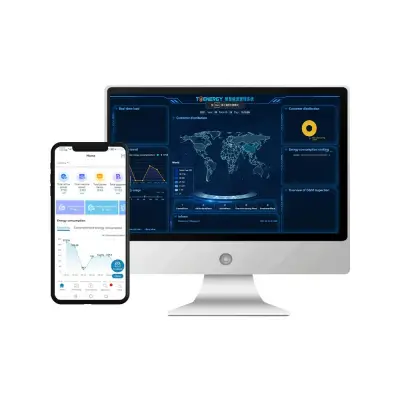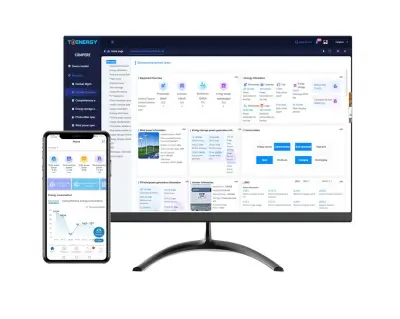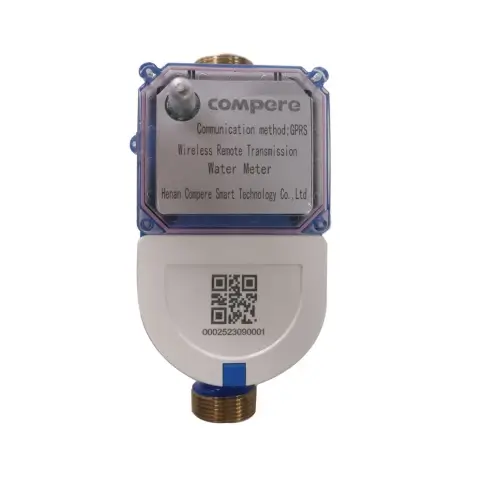
In the wave of digital transformation in the power industry, prepaid systems are gradually evolving from the traditional “pay-later” model to an intelligent, data-driven “pay-later” system. This shift is not merely a change in payment methods, but a fundamental solution to long-standing management challenges in the electricity sector. This article will delve into how prepaid systems specifically address particular issues in the electricity consumption process.
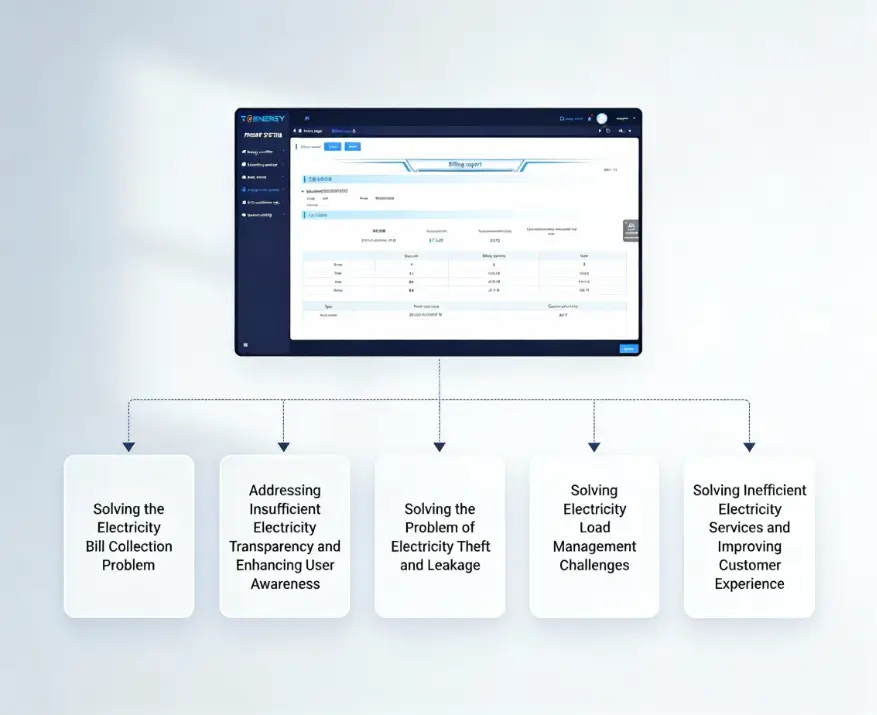
1. Solving the Electricity Bill Collection Problem
Traditional Electricity Consumption Pain Points:
Widespread user arrears in electricity bills, resulting in high collection costs.
Long electricity bill collection cycles, impacting the cash flow of power supply companies.
Significant manpower required for billing, reconciliation, and collection work.
Prepaid Systems Solution:
“Buy electricity first, use electricity later” model: Users must top up their accounts before using electricity, completely eliminating arrears.
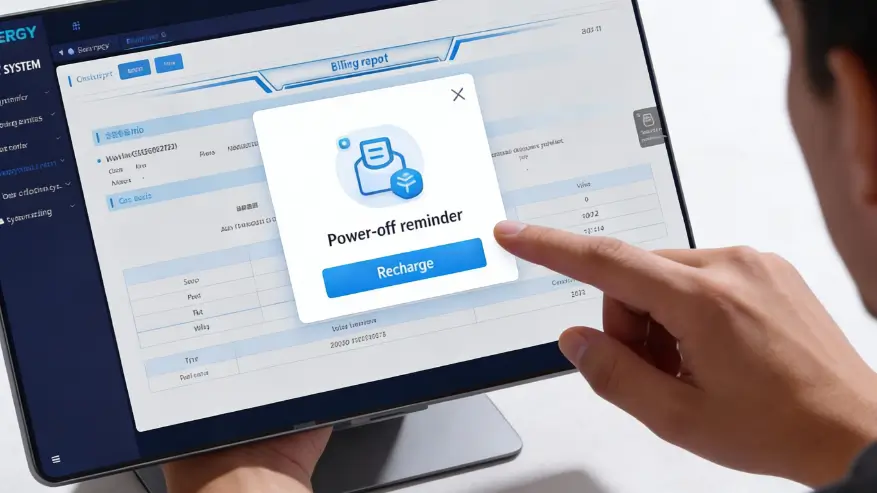
Automatic power outage and restoration control: The system automatically issues warnings when the balance is insufficient and automatically cuts off power when the balance reaches zero, automatically restoring power after topping up.
Real-time billing and deduction: The system deducts fees from the account balance in real time based on electricity consumption, achieving a 100% electricity bill collection rate.
Actual Results: After a municipal power supply company introduced the prepaid system, the electricity bill collection cycle was shortened from an average of 45 days to real-time payment, reducing bad debt losses by over 30 million yuan annually, and reducing billing-related personnel by 60%.
2. Addressing Insufficient Electricity Transparency and Enhancing User Awareness
Traditional Electricity Consumption Pain Points:
Users have a vague understanding of their electricity consumption, relying solely on monthly bills.
Lack of real-time electricity data makes it difficult to adjust electricity usage promptly.
Opaque electricity billing structure easily leads to doubts and disputes.
Prepaid Systems Solution:
Real-time Electricity Monitoring: Users can view current electricity consumption, remaining balance, and consumption trends in real time via APP, SMS, etc.
Intelligent Early Warning Notification: Automatically pushes warnings when the balance falls below a set threshold to avoid sudden power outages.
Electricity Data Analysis: The system provides daily, weekly, and monthly electricity consumption analysis to help users understand their electricity usage habits.
Actual Results: Pilot community user feedback indicates that after implementing the prepaid system, average electricity consumption decreased by 12-18%, with significant effects on shifting electricity usage during peak hours, and user satisfaction increased by over 40%.
3. Solving the Problem of Electricity Theft and Leakage
Traditional Electricity Consumption Pain Points:
Traditional electricity meters are easily modified due to their relatively low security, allowing users to steal electricity and pay less, thus causing significant problems for the national power system.
Prepaid Systems Solution:
Smart Meter Integration: Employing tamper-proof smart prepaid meters, real-time monitoring of abnormal electricity consumption effectively prevents electricity theft.
Abnormal Electricity Consumption Alarm: Power is automatically cut off when the prepaid meter balance falls below the alarm limit. Although power can be restored by inserting a card, the meter’s remaining capacity is very limited; if power is not replenished promptly, power will cease.
Precise Line Loss Analysis: Accurately pinpointing line loss ranges by comparing total power supply with total user consumption.

4. Solving Electricity Load Management Challenges
Traditional Electricity Consumption Pain Points:
High peak load pressure on the power grid, requiring investment in infrastructure expansion.
Lack of effective demand-side management methods.
Increased complexity of grid management due to distributed energy access.
Prepaid energy meters allow users to set their electricity load, as excessive loads can pose significant safety hazards. If a user’s actual electricity consumption exceeds the set load, power will be automatically cut off, and this will be displayed on the prepaid meter. After power is restored by inserting a card, users can simply avoid using high-power appliances simultaneously, reducing the load and keeping it within the set range.
5. Solving Inefficient Electricity Services and Improving Customer Experience
Traditional Electricity Pain Points:
Inconvenient payment for users, requiring visits to business halls or designated service points.
Currently cumbersome business processing procedures and slow response times. Separation of fault reporting and electricity services, resulting in a fragmented user experience.
Prepaid Systems Solution:
Multi-channel payment support: Payment via APP, WeChat, Alipay, and other local niche payment methods.
Integrated service platform: Integrating payment, inquiry, repair reporting, and complaint functions into a unified platform.
Actual Results: After implementing the prepaid management platform, a power company saw a 65% reduction in foot traffic at its business halls, an 82% online business processing rate, and a 44% decrease in customer complaints.
Special Application Value of Prepaid Systems
(1). Electricity Management in Rental Housing and Dormitories
Problems: Tenants leaving in arrears, frequent electricity disputes, and complex apportionment calculations
Solution: Independent prepaid account for each household, remote management by the landlord, and automatic apportionment of electricity costs in public areas
(2). Electricity Control in Schools and Enterprises
Problems: Wasteful equipment idling after get off work, and inability to quantify and assess departmental electricity consumption
Solution: Metering by department and line, setting electricity quotas, and issuing early warnings for exceeding quotas
(3). Electricity Management in Rural and Remote Areas
Problems: High billing costs, difficulty in collecting overdue payments, weak electricity safety supervision
Solutions: All operations can be completed via mobile devices; real-time monitoring of electricity safety; automatic power cut-off in case of abnormalities

Implementation Recommendations
For power companies or electricity users considering introducing a prepaid system, the following recommendations are made:
Phase Implementation:Start with pilot programs in newly built residential areas or specific user groups, gradually expanding the system.
User Education First:Promote the advantages and usage of the prepaid system through multiple channels.
Retain Transitional Options:Retain traditional payment options for special users such as the elderly.
System Compatibility:Ensure the new system is compatible with existing power infrastructure and software platforms.
Data Security First:Employ advanced encryption and privacy protection measures to ensure user data security.
Conclusion
The value of prepaid systems in the electricity sector has transcended the simple concept of “pay first”; it is evolving into a comprehensive smart electricity management platform. By addressing six core issues—electricity bill collection, electricity transparency, anti-theft, load management, service efficiency, and data application—this system not only improves the operational efficiency and economic benefits of power companies but also enhances users’ electricity experience and energy-saving awareness.
With the deepening of the energy internet and digital transformation, prepaid systems will become a key link connecting the power supply side and the power consumption side, helping to build a more efficient, transparent, and sustainable modern power ecosystem. For organizations facing electricity management challenges, now is the best time to evaluate and introduce this system.
Email: inquiry@compere-power.com
WhatsApp: +8615938727545
Tel: +86-15938727545