Energy consumption allocation is crucial in modern energy management, especially in large factories, commercial buildings, and other environments with shared resources. It is a key tool for improving energy efficiency and reducing costs.
Energy consumption allocation involves allocating total energy consumption to each device, production line, or department based on specific rules or algorithms when multiple devices, production lines, or departments share energy, allowing for more accurate calculation of their respective energy usage. This method is commonly used in industrial manufacturing, building management, or energy-intensive industries, helping companies understand energy consumption across various components and achieve energy conservation and consumption reduction goals.
Common Scenarios For Energy Consumption Allocation
1. Energy Consumption Allocation For Equipment In Industrial Production
In a factory, multiple devices operate simultaneously, and the factory may only have a main electricity meter or a total energy consumption monitoring system installed. To determine the specific energy consumption of each device, energy consumption allocation is necessary to allocate the total energy consumption to each device. This allows for better analysis of equipment energy efficiency and optimized operation.
2. Energy Consumption Allocation in Buildings
Different departments or tenants within an office building or factory share energy resources such as electricity, water, and gas. To fairly allocate costs, total energy consumption must be apportioned based on actual usage by department or tenant. This allocation can be based on area, number of people, equipment power, or direct energy consumption monitoring data.
3. Energy Cost Allocation
Within an enterprise, energy costs are often allocated to individual production lines, departments, or projects for financial accounting purposes. Energy consumption allocation can help companies identify areas with high energy consumption and implement energy-saving measures or optimize resource allocation.
4. Loss Allocation
When multiple devices, departments, or areas share resources or energy, the losses incurred during transmission or use are allocated to each user according to specific rules or algorithms to more accurately calculate each user’s share of the losses. This is particularly true in scenarios involving resource transmission or shared use.
Energy Consumption Allocation Methods
1. Proportional Allocation
Total energy consumption is allocated proportionally to each device, production line, or department based on indicators such as the device’s rated power, production line output, or department floor space. For example, allocation can be based on the operating power of each device; devices with higher operating power receive a higher share of energy consumption.
2. Time Allocation
Energy consumption is allocated based on the operating hours of each device or department. For example, if certain devices only operate during specific hours, their share of total energy consumption can be calculated by recording their operating hours.
3. Direct Metering
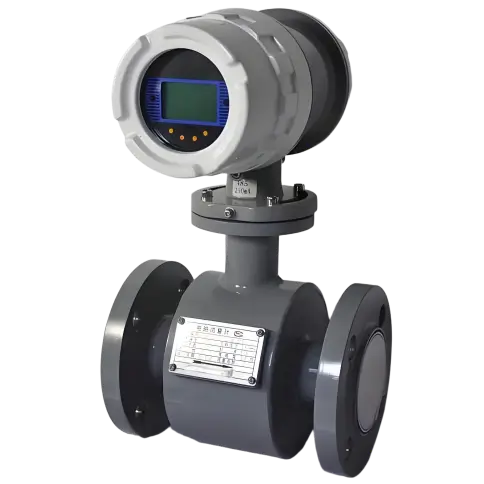
For devices or departments that can be individually metered, independent energy metering devices (such as electricity and gas meters) are installed to directly read energy consumption data for each component. This method is the most accurate, but can be costly in some cases.
4. Algorithm-Based Allocation
Using big data analysis, energy consumption models, and artificial intelligence technologies, the energy consumption allocation for each device is dynamically calculated based on its operating parameters (such as power and load) and environmental factors. This method is suitable for complex production environments and helps improve the accuracy of energy consumption allocation.
The Significance Of Energy Consumption Allocation
1. Improving energy efficiency management: Energy consumption allocation helps companies understand the energy consumption of each process, equipment, or department, identify high-consumption areas, and optimize energy use.
2. Rationalizing costs: Energy consumption allocation allows companies to more fairly and accurately allocate energy costs to various production units or departments, supporting cost accounting and performance evaluation.
3. Supporting energy conservation and consumption reduction:By analyzing allocated energy consumption data, companies can identify areas of energy waste and develop energy-saving measures to improve overall energy efficiency.
4. Improving operational transparency: Through accurate energy consumption allocation, each department or external tenant can clearly understand its own energy consumption, promoting energy conservation awareness.