For manufacturing companies, data centers, or large commercial complexes, electricity costs are often the second largest expense after labor and raw materials. Faced with fluctuating industrial and commercial electricity prices, instead of complaining, it’s better to take proactive measures.
Many business owners look at their high electricity bills but don’t know where to start. Actually, the answer lies in the “smart energy meter” in your power distribution room. Through digital monitoring and data analysis, businesses can not only identify hidden waste but also leverage policy benefits to achieve significant cost reductions. This article will reveal how to use a smart meter system to reduce electricity expenses by more than 20%.
Why Are Your Business’S Electricity Bills So High?
Before developing a solution, we need to identify the “bleeding points.” Most businesses experience high electricity bills for one of three main reasons:
Inefficient electricity usage structure: Peak production periods are concentrated during high-electricity-price periods, failing to utilize off-peak electricity.
Low equipment efficiency: Older equipment (such as motors and air compressors) is inefficient and lacks effective reactive power compensation, resulting in an excessively high proportion of wasted energy.
Extensive Management: There is a serious problem of lights being left on unnecessarily and machines being idle, and the benefits of electricity market liberalization have not been realized.
Why Is It Said That Solving Electricity Bill Problems Should Start With “Understanding” Smart Meters?
The root cause of high electricity bills for most businesses lies in “information asymmetry”: they don’t know which equipment is spending electricity on, or when electricity is most expensive.
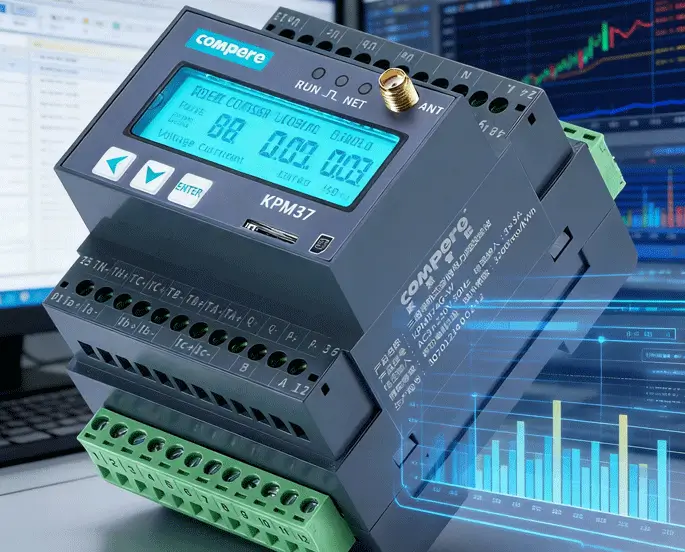
Traditional mechanical meters can only tell you how much electricity you’ve used, while smart meters + energy efficiency management systems can tell you:
Electricity Profile: Real-time recording of power fluctuations every minute.
Early Warning Notification: Automatic alarms when electricity load is about to exceed declared demand, avoiding huge fines.
Accurate Accounting: Automatic calculation of time-of-use pricing, ensuring every penny is spent clearly.
Core Solution: Precise Cost Reduction in Four Dimensions
1. Strategic Cost Reduction: Utilizing time-of-use pricing to “smooth peaks and fill valleys”
Currently, industrial and commercial electricity prices generally adopt time-of-use pricing. By adjusting production plans, significant price difference benefits can be achieved.
Off-peak production: Without affecting delivery, schedule energy-intensive processes (such as smelting, drying, and crushing) during off-peak electricity hours, such as late night or early morning.
Deploy energy storage systems: Energy storage technology will be mature by 2026. Enterprises can install energy storage devices to charge during low-price periods and discharge during high-price periods for production, directly offsetting peak electricity costs.
2. Cost reduction through technology: Identifying the “insiders” of electricity consumption
Equipment upgrades are a long-term solution, typically recovering investment costs within 1-2 years.
Variable frequency drive (VFD) technology upgrades: Upgrade fans, pumps, and air conditioning systems using VFDs. It is estimated that equipment upgraded with VFDs can achieve an average energy saving rate of over 25%.
Optimize reactive power compensation: Check the power factor. If the power factor is below 0.90, you will not only pay more for electricity but also face fines from the power company. By installing intelligent capacitor compensation cabinets to maintain a power factor above 0.95, you can receive electricity fee rewards.
Air Compressor System Integration:In industrial enterprises, compressed air systems account for a significant portion of energy consumption. Centralized control and waste heat recovery can significantly improve energy efficiency.
3.Policy-Driven Cost Reduction:Participating in the Electricity Spot Market
Many business owners are unaware that electricity prices can be negotiated.
Direct Trading: Say goodbye to grid-based electricity purchases and partner with professional electricity sales companies. Through accurate load forecasting, access the electricity spot market to obtain lower wholesale prices.
Changing Basic Electricity Billing Method:Check whether your bill is based on “transformer capacity” or “maximum demand.” If your actual electricity load fluctuates significantly, switching to demand-based billing can immediately reduce fixed monthly expenses by tens of thousands of yuan.
4.Green Cost Reduction:Distributed Photovoltaic Power Generation
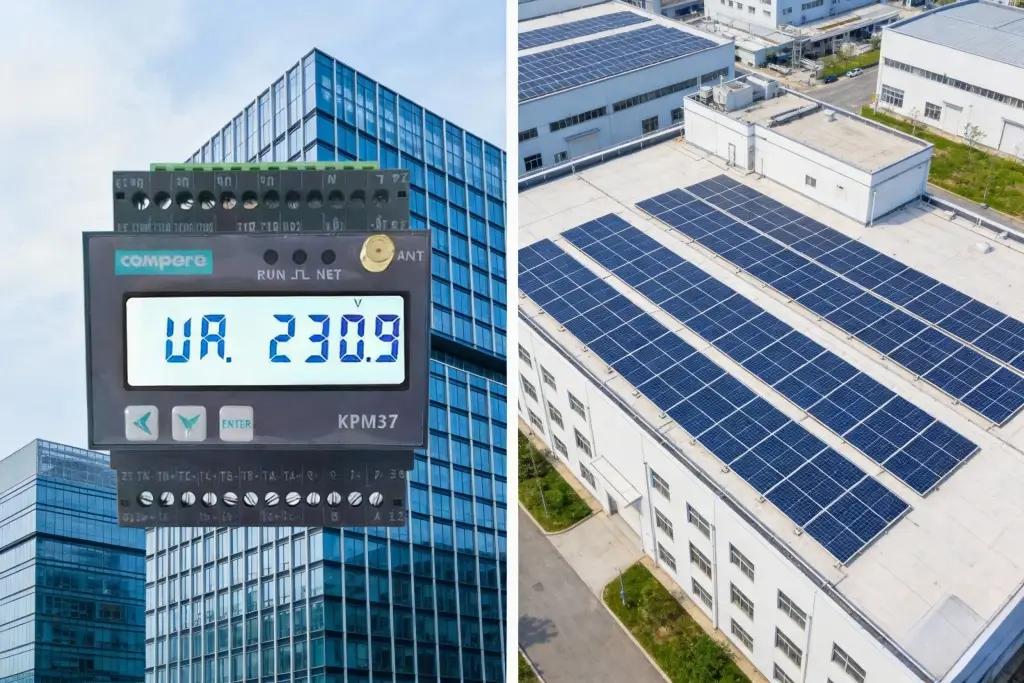
Rooftops are a hidden asset for businesses.
Self-consumption and surplus power fed into the grid: Install photovoltaic systems on idle factory rooftops. This electricity generation is exempt from surcharges and government funds, directly reducing the cost per kilowatt-hour and improving the company’s carbon emission reduction targets, thus meeting green supply chain assessment requirements.
Three Steps to Reduce Electricity Costs Based on Smart Meters
1. Identifying “Hidden Waste”: Analyzing Real-Time Curves
Real-time data collected by smart meters can generate an “electricity load curve.”
Solution: By observing the baseline load during non-production periods (such as lunch breaks and late nights), many companies are surprised to find that even when operations are stopped, the meters are still spinning rapidly.
Operational Recommendation: Check air compressors in standby mode, central air conditioning terminals that are not turned off, and severely aging transformers for losses. Optimizing management through real-time monitoring of smart meters can typically reduce inefficient electricity consumption by 5%-10%.
2. Optimizing “Power Factor”: Avoiding Electricity Penalties
Smart meters record a key indicator—the power factor.
Solution: If your equipment (such as high-power motors) operates inefficiently, it will result in a large amount of reactive power being wasted. When the power factor is found to be below 0.9, the power grid company will directly add a penalty electricity charge (power factor charge) to the bill.
Operational Recommendation: Monitor the status of the reactive power compensation cabinet through the smart meter system. Ensuring adequate compensation and raising the power factor to above 0.95 not only avoids penalties but also earns electricity bill rewards, resulting in pure profit on the bill.
3. Precise Peak Shaving and Valley Filling: Utilizing Time-of-Use Electricity Price Differences
Smart meters can accurately calculate electricity consumption during peak, off-peak, and valley periods.
Solution: With the deepening of electricity market reforms in 2026, the peak-valley price difference will further widen.
Operational Recommendation: Utilize the data analysis function of smart meters to identify high-energy-consuming processes. If some production capacity can be shifted from peak to off-peak periods, although the total electricity consumption remains the same, the total electricity bill can directly decrease by 20% or even more.
Advanced Solution: Upgrading from “Smart Meter” to “Energy Brain”
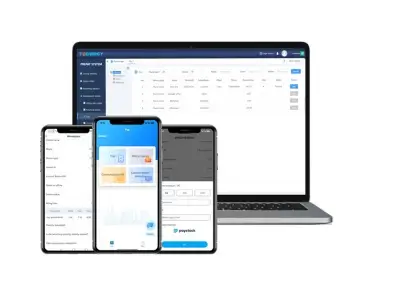
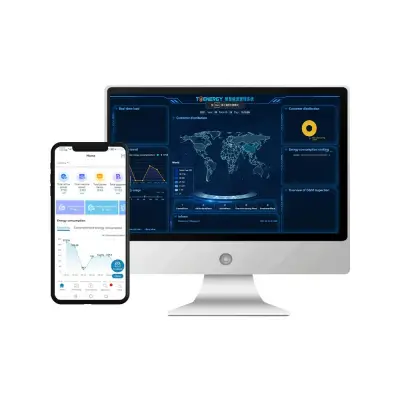
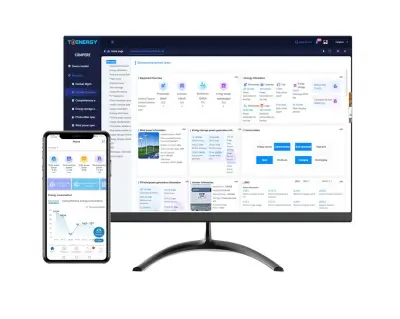
If your business is large, simply looking at the meter is not enough; you need a smart energy efficiency management platform (EMS):
Demand Monitoring: Smart meters will monitor your maximum demand in real time. The system can remind you to shut down unnecessary equipment when electricity consumption approaches its limit, avoiding hefty “overcapacity fees.”
Equipment Energy Efficiency Diagnosis: By installing secondary smart meters on key production lines, you can accurately compare the energy efficiency of different equipment. Who’s the “electricity hog”? The data is clear at a glance.
Automatic Connection to the Electricity Spot Market: The system automatically analyzes spot price fluctuations and reminds you to operate at full capacity during periods of lowest electricity prices.
Stop Blindly Paying Bills: Install a “smart brain” for your power distribution room now.
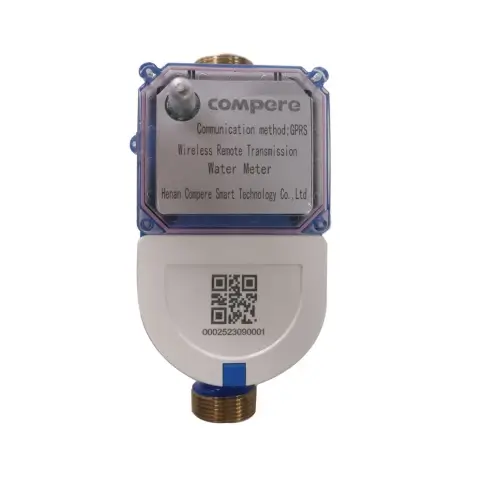
Instead of worrying about high bills, let the data speak for itself. Installing our smart grid-connected meters will give you:
Real-time Alarms: Power factor anomalies and overloads are detected and pushed to your mobile phone via WeChat within seconds, preventing grid fines.
Data Reports: Electricity consumption data reports provide a clear overview of electricity consumption in each workshop and work group, making rewards and penalties based on data.
Strategy Recommendation: The system automatically calculates optimal peak-valley production scheduling suggestions, ensuring every kilowatt-hour of electricity is spent at the lowest possible price.
Conclusion
Smart meters should not just be boxes on the wall; they are the “command stick” for enterprises to reduce costs and increase efficiency. In today’s digital transformation, whoever controls electricity consumption data controls the initiative in profits.