
With the continuous advancement of intelligent management technology, traditional pospaid utility bill management methods have gradually exposed numerous problems, such as delayed billing, high management costs, and significant energy waste. To address these pain points, prepaid management systems, as a modern, intelligent energy management tool, are gradually gaining widespread adoption in large shopping malls and integrated commercial complexes. By enabling a “pay first, use later” model, Prepaid System can effectively improve the transparency and efficiency of energy usage, enabling refined and intelligent energy management for supermarkets.
Management Pain Points of the Traditional “Postpaid” Model
Before delving into prepaid systems, we first need to understand the traditional challenges large supermarkets face in utility bill management:
Difficult Budget Control: When receiving a monthly utility bill, the amount is already set, creating significant uncertainty. Especially during peak electricity consumption periods in summer (for air conditioning) and winter (for heating), bills often far exceed expectations, significantly impacting budgets. Energy black holes are difficult to track: Within a large retail space, if there’s equipment failure (such as abnormal refrigerator cooling or hidden water pipe leaks) or unintentional waste in a particular area (such as leaving lights on after work), these issues are difficult to detect in a timely manner under the “post-payment” model. Often, the damage isn’t noticed until the high bill appears at the end of the month, after the losses have already occurred.
Delayed management response: Management measures can only be implemented after the billing cycle has ended, lacking real-time monitoring and immediate intervention, making management always lagging behind.
Cash flow pressure: A single large utility bill can periodically put pressure on a supermarket’s monthly cash flow.
How Can A Prepaid System Be Applied To Supermarket Utility Management?
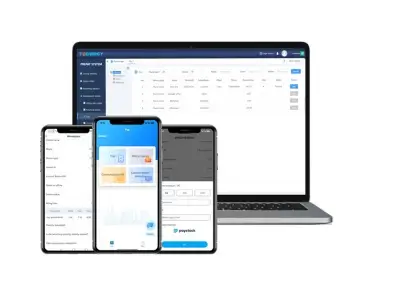
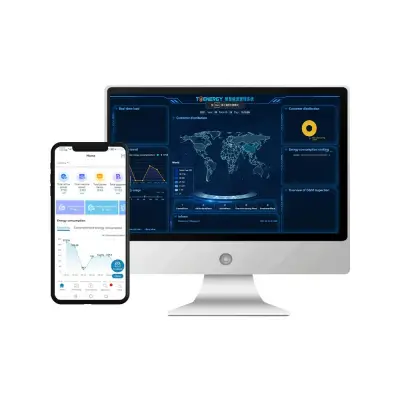
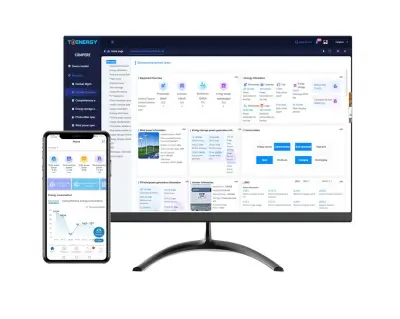
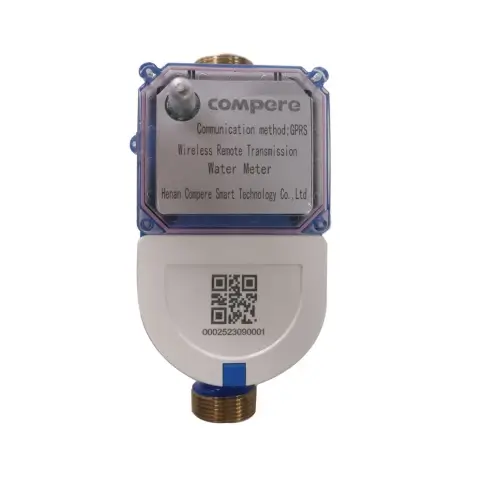
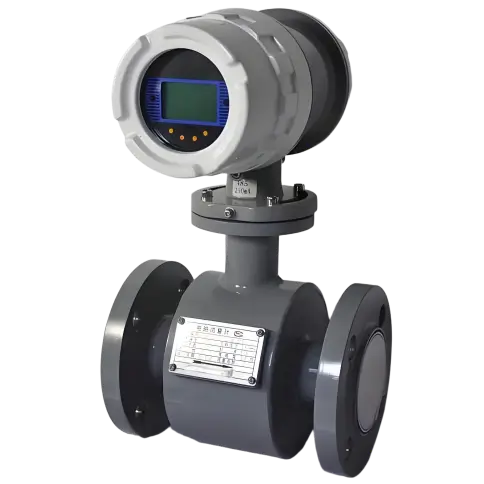
The core of this system is to install prepaid metering devices (such as smart electricity and water meters) for different areas or equipment within the supermarket and build an integrated energy management platform.
System Architecture:
Smart Meter Installation: Prepaid electricity meters and water meters are installed at key energy consumption nodes, such as the main entrance, refrigeration and freezer areas, lighting areas, air conditioning systems, and office areas. Prepayment Platform: A central management platform is established, allowing supermarket managers to pre-load virtual accounts with “water and electricity credits.”
Linked Control: The platform is linked to smart meters and key switches for electrical/water systems.
Workflow:
Top up first, use later: Supermarkets deposit funds into their energy management platform accounts based on their budgets, which are converted into available water and electricity credits in real time.
Real-time Deductions and Monitoring: The system deducts fees from the total credit in real time based on smart meter readings. Managers can clearly view energy consumption data, remaining balances, and available days for each area on the backend dashboard.
Warnings and Interventions: When the balance falls below a preset threshold, the system automatically sends SMS or app alerts to managers.
Overdraft Limit (Optional): In extreme cases, the system can be set to automatically cut off service upon zero balance, but this approach has a significant impact on supermarket operations. Therefore, the more common approach is to issue warnings but not cut off service, primarily to serve as a warning.
Advantages of Application in Large Supermarkets
Improve Management Efficiency and Reduce Labor Costs
Traditional manual meter reading and bill settlement is not only cumbersome but also prone to errors. The prepaid system enables automated data collection and remote management, significantly reducing manpower and improving management efficiency.
Enables Transparency and Responsibility Sharing for Energy Consumption
Water and electricity usage by each tenant can be tracked and queried in real time, with charges accurate to the nearest kilowatt-hour and ton of water. The system automatically generates bills, avoiding disputes and ensuring fair and transparent cost sharing.
Effectively Controls Energy Waste
The prepaid model encourages merchants to proactively conserve energy. Through balance alerts and energy consumption analysis, merchants can promptly understand their energy consumption and adjust their usage habits to achieve energy conservation and consumption reduction goals.
Improve Capital Recovery and Cash Flow Stability
“Pay Now, Use Later” eliminates overdue utility bills, ensuring timely and stable capital recovery for property management companies and reducing financial risks.
Supports Big Data Analysis and Energy Optimization
The system analyzes historical energy usage data, generating energy consumption curves and comparative reports, providing data support for supermarket energy planning, equipment maintenance, and energy-saving strategies.
Typical Application Scenarios
In large shopping malls, complexes, or chain stores, the nature of business operations and operating hours vary significantly. Using a prepaid system, management can implement differentiated management for different tenants, floors, and energy consumption types. For example:
Higher-capacity meters and real-time monitoring are set for restaurants;
Standard prepayment limits are set for general retail merchants;
Consolidated energy consumption analysis and optimized scheduling are performed for lighting and water pump systems in public areas.
In large supermarkets, prepaid systems not only enable efficient and transparent billing, but also promote rational energy utilization and the achievement of energy conservation and consumption reduction goals. They are becoming a core energy management tool for modern commercial complexes, providing solid technical support for smart business operations.