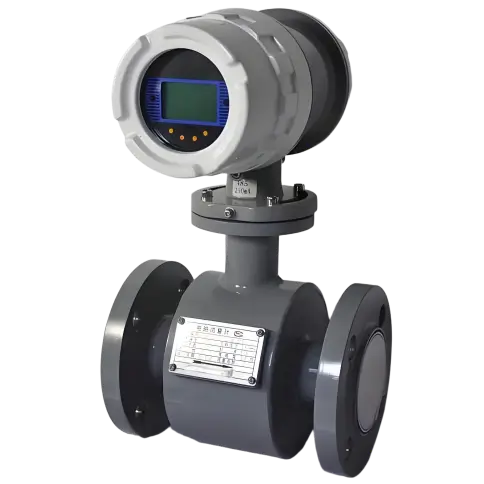

With the increasing prevalence of smart cities and property automation, smart meters have become standard equipment in residential apartments, industrial parks, and commercial complexes. However, the market is flooded with manufacturers of varying quality. Choosing the wrong manufacturer can lead to a series of problems, such as inaccurate data, frequent system downtime, and difficulty finding after-sales support.
As a buyer, how can you select truly high-quality manufacturers from thousands of supply channels? Please focus on the following five dimensions:
1. Core Qualifications and Production Scale
In the smart energy meter industry, qualifications are the “entry permit” to the market. A legitimate wholesale energy meter manufacturer must possess:
Mandatory Certifications: Check if they have a Type Approval Certificate for Measuring Instruments (CPA), ISO quality management system certification, and China Compulsory Product Certification (3C).
Production Capacity: Genuine manufacturers have their own R&D laboratories and automated production lines. It is recommended to confirm their large-scale inventory capacity through on-site visits or video conferences, as this directly determines the competitiveness of wholesale prices and delivery time.
2. Technology Roadmap and Product Compatibility
Smart meters are not just hardware, but also IoT terminals. When selecting a meter, consider your specific application scenario:
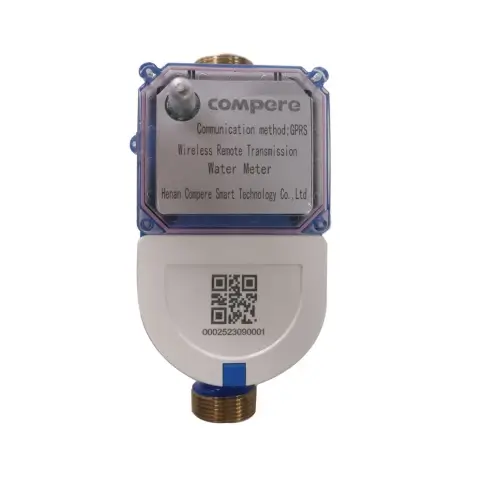
Communication Protocol: Confirm whether the manufacturer supports multiple communication methods (e.g., NB-IoT, 4G, WiFi, RS485, LoRaWAN, etc.).
Functional Modules: Does the meter support remote power on/off, prepaid management, malicious load identification, and automatic overdue payment reminders?
Metering Accuracy: Ensure the meter’s accuracy is at least 1.0 to avoid financial disputes caused by metering errors.
3. Software Support and System Integration Capabilities
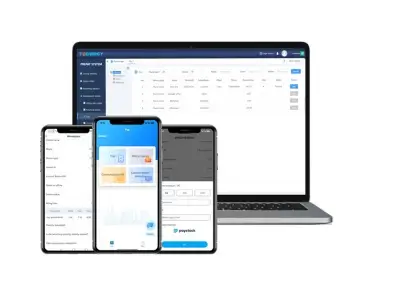
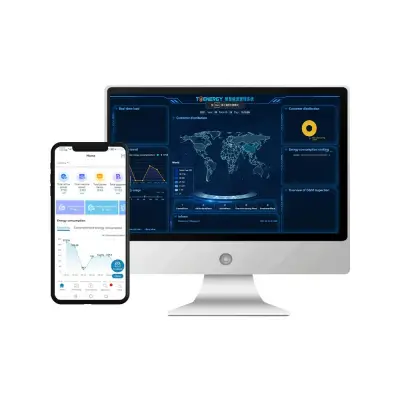
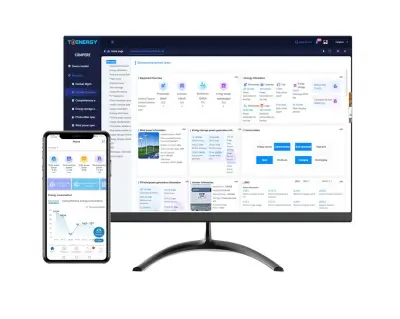
Modern electricity management relies not only on hardware but also on a supporting Energy Management System (EMS) or prepaid system.
Does the manufacturer provide a self-developed cloud platform? Excellent manufacturers typically provide a mobile app, mini-program, or PC-based management backend.
API Interface Openness: For large properties or enterprises, meter data needs to be integrated into existing office systems. Inquire whether the manufacturer provides secondary development interfaces (APIs).
4. Cost-Effectiveness and Wholesale Pricing (Cost Control)
The core of wholesale procurement is “saving money,” but low prices often mean sacrificing quality.
Factory Direct Sales vs. Distributors: Prioritize finding genuine source factories to eliminate intermediaries, typically resulting in a 30%-50% price reduction.
Tiered Pricing: Reasonable manufacturers offer tiered pricing based on minimum order quantity. Always confirm whether the price includes system software usage fees or subsequent maintenance costs.
5. After-Sales Service and Technical Support (Long-Term Guarantee)
Smart meters typically have a lifespan of 5-10 years, making comprehensive after-sales service crucial.
Response Speed: Inquire whether technical support can resolve system offline or data synchronization issues 24/7.
Warranty Commitment: Industry standard warranties are typically 1-3 years; manufacturers offering longer warranties generally have greater confidence in product quality.
Summary
When choosing a wholesale energy meter manufacturer, avoid solely focusing on price. A good partner not only provides stable hardware but also reduces labor costs through an intelligent management system.