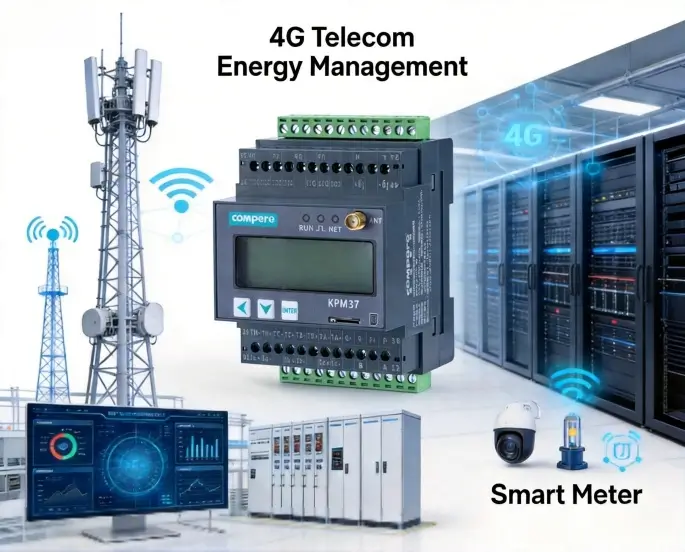
Driven by both 5G deployment and the “dual-carbon” strategy, smart energy meters have become a critical infrastructure for energy management and B2B business expansion in the telecommunications industry. Their applications primarily focus on the following four dimensions:
Refined Management of Base Station Energy Efficiency
Smart meters have transformed the previously chaotic power consumption of base stations, enabling a leap from extensive management to precise governance.
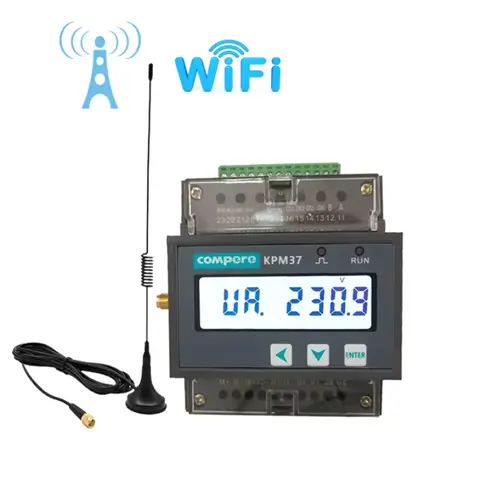
Separate Metering: Real-time monitoring of power consumption in different modules such as AAU (Radio Unit), BBU (Baseband Unit), and air conditioning provides the underlying data for base station energy-saving solutions.
Abnormal Power Consumption Early Warning: By monitoring instantaneous fluctuations in current and voltage, the system can automatically identify potential issues such as cable aging, electricity theft, leakage, or equipment malfunctions, shortening maintenance response time.
Resettlement and Settlement of Electricity Transfer: For scenarios involving electricity transfer in rented locations, the stored data from smart meters facilitates precise settlement with property management, effectively resolving electricity bill disputes.
Deeply Integrated Communication Technology Architecture
Smart meters are not only energy sensors but also crucial nodes in communication networks, forming a complementary technology system:
Wide Coverage Connectivity: Utilizing NB-IoT or LTE-Cat.1 technologies ensures stable data reporting from meters in extreme environments such as basements and remote mountainous areas.
Low-Latency Scheduling: In power distribution scenarios requiring real-time control, 5G RedCap technology is introduced, balancing low power consumption and high reliability.
Powerline Gaps Completion: Combining HPLC (High-Performance Conveyor Array) technology, data transmission is achieved using power lines themselves in data centers with severe wireless signal shielding.
Industry Empowerment for B2B Customers
Telecommunications operators are using smart meters as an entry point to deliver mature energy digitization solutions to enterprise customers:
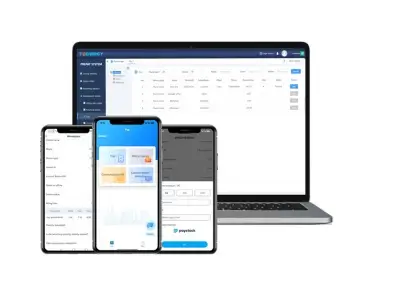
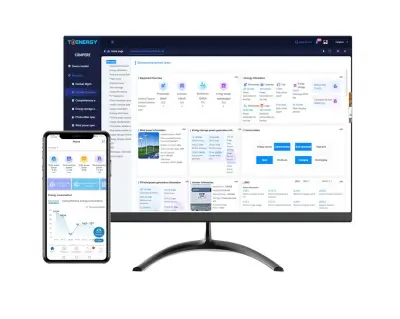
Smart Park Solutions: Providing industrial parks with a platform integrating metering, billing, and control, supporting prepaid management and energy consumption quota early warning for enterprises.
Virtual Power Plant (VPP) Access: Utilizing smart meters as metering terminals, smart meters collaborate with base station backup batteries to participate in grid peak shaving. Automatic battery power switching during peak electricity consumption periods helps businesses obtain electricity subsidies through demand response.
IDC Energy Efficiency Optimization: Deploying high-precision smart meters in data centers to calculate PUE values in real time supports green rating assessments for data centers.
Future Trends in Intelligentization and Greening
Non-Intrusive Identification: Without installing probes on each terminal, the current fingerprint algorithm at the meter end can identify which backend communication device is operating and its health status.
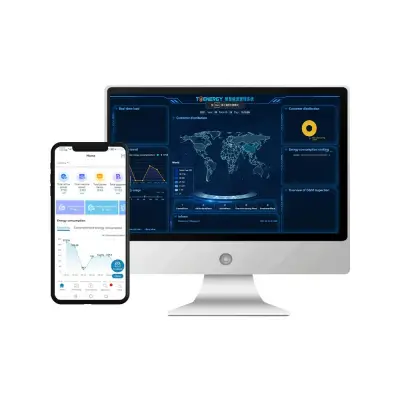
Real-Time Carbon Footprint Tracking: Automatically converting electricity consumption into carbon emission indicators, providing automated carbon inventory reports for telecommunications companies, and helping them achieve carbon neutrality goals.
Summary
Smart meters play a triple role in the telecommunications industry: “energy sensor,” “communication gateway,” and “business connector.” They not only significantly reduce operators’ operating costs (OPEX) but also become a crucial tool for operators to serve B2B customers and enter the energy internet market.