Contents
In today’s highly competitive industrial landscape, energy costs have become one of the most significant operational burdens. Many facility managers notice that even when production remains stable, monthly utility bills continue to climb. This trend doesn’t just erode profit margins—it often signals underlying inefficiencies in the electrical system.
1. The “Hidden Killers” Behind High Utility Bills
Low Power Factor Penalties
Industrial loads often include inductive equipment like motors and transformers. Without proper reactive power compensation, the power factor drops below utility standards, triggering significant “Power Factor Penalties” on your monthly statement. This is a common source of unnecessary expenditure that often goes unnoticed.
Poor Peak-Demand Management
Industrial electricity pricing is often structured around Time-of-Use (ToU) rates. Operating energy-intensive machinery during “Peak” hours instead of “Off-Peak” or “Shoulder” periods results in much higher costs for the same amount of energy consumed. Without real-time data, it is nearly impossible to optimize production schedules for cost savings.
Power Quality & Harmonic Losses
Modern factories utilize Variable Frequency Drives (VFDs) and non-linear loads that, while efficient for automation, introduce Harmonic Distortion. Harmonics lead to excessive transformer heating, cable aging, and increased line losses, causing energy to be wasted before it even reaches your equipment.
Expert Insight: Energy management is not just about “turning things off”—it’s about optimization. If you cannot measure it, you cannot manage it. Transparency is the first step toward significant cost reduction.
2. Real-Time Monitoring: The “Stethoscope” for Your Grid
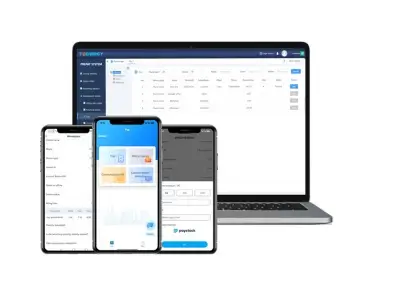
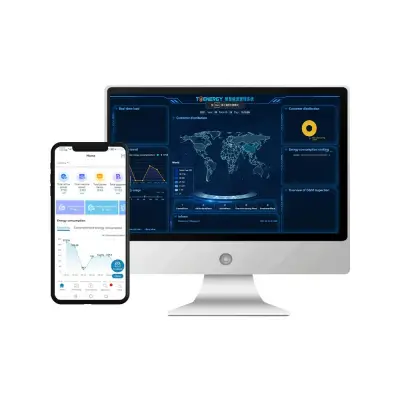
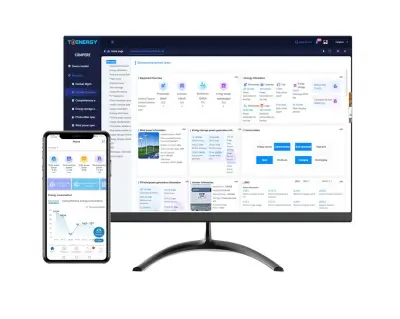
To break the cycle of rising costs, you must make energy flow visible. Implementing a professional Real-Time Energy Monitoring System (EMS) provides several key advantages:
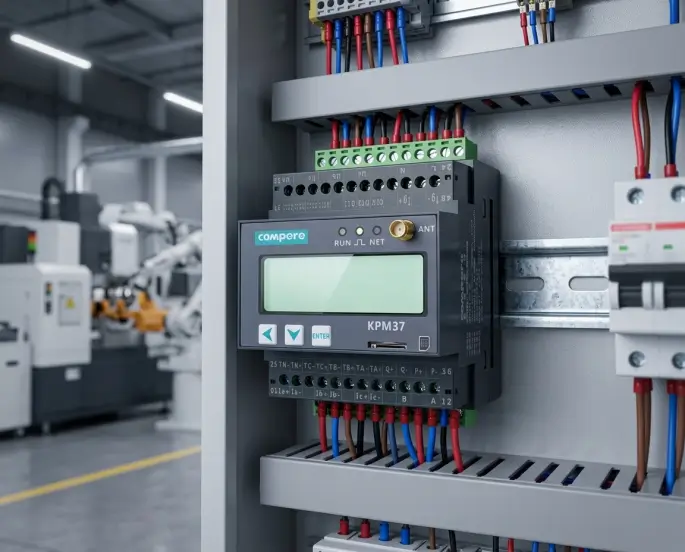
- DIN Rail Smart Energy Meter: Deploying modular smart meters allows for precise data collection at the branch circuit or individual machine level.
- Load Profile Analysis: 24/7 monitoring helps identify “vampire loads”—equipment running unnecessarily during non-production hours.
- Power Quality Alarms: Receive instant alerts for power factor drops or harmonic spikes, preventing utility penalties and equipment damage.
- Data-Driven Decisions: Use historical energy data to calculate energy consumption per unit of production, enabling accurate cost accounting and ROI analysis for upgrades.
3. Conclusion
Facing fluctuating energy prices requires a shift from reactive payment to proactive management. By integrating high-precision hardware with intelligent monitoring software, factories can secure their margins and ensure long-term operational stability.