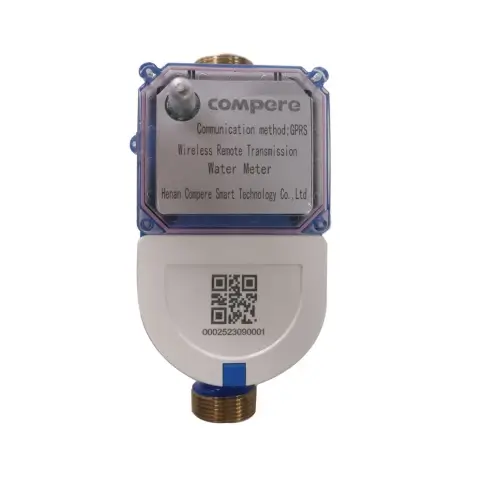
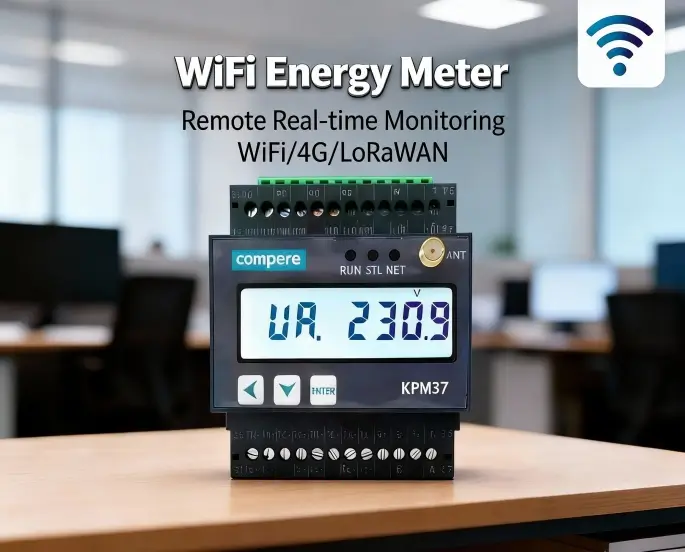
With the continuous advancement of smart grid and energy management technologies, smart energy meters are evolving towards smaller, smarter, and more connected devices. Due to their ease of installation and simple communication functions, din rail energy meters have become a popular type of smart meter in modern power distribution networks. WiFi energy meters are not standalone devices, but rather crucial data entry points for any modern energy management system, cloud platform and APP.
🔌What Is A WiFi Energy Meter?
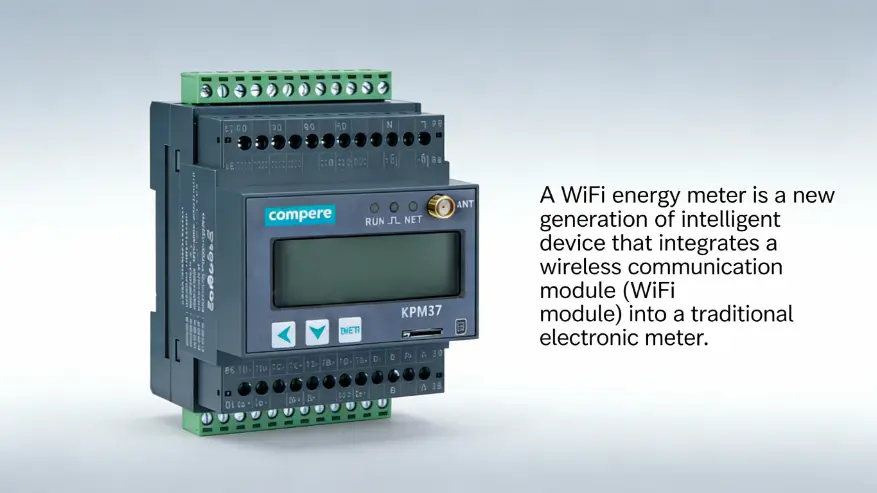
A din rail WIFI energy meter is an energy metering device that is mounted on a standard 35mm DIN-rail structure. Unlike traditional wall-mounted or embedded meters, it is smaller and easier to install, making it suitable for space-constrained environments such as distribution boxes and control cabinets. Based on their functionality, they can be divided into single-phase and three-phase DIN Rail meters.
Compared to traditional meters, the biggest feature of smart meters is their connectivity, monitoring capabilities, and manageability. Users no longer need to manually read meters; simply connecting to their home or business WiFi network enables seamless data transmission to the central cloud platform, which is the cornerstone for remote, centralized power system management.
⚙️Core Functions of Smart WiFi Energy Meters
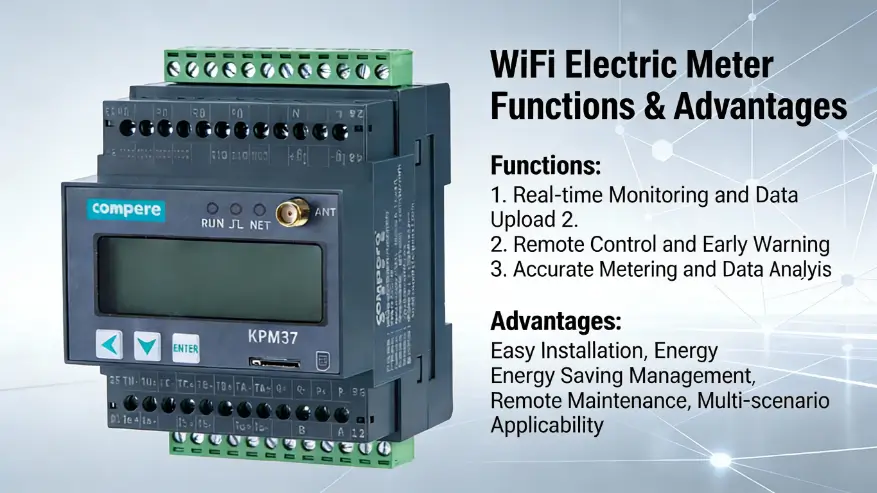
1. Real-time Monitoring and Data Upload
Smart meters continuously and securely upload all power parameters (volts, amperes, watts, kilowatt-hours, etc.) to a cloud server/energy management system via a WiFi network. This real-time data stream ensures that operators can view comprehensive electricity consumption and trends through a dedicated system platform, enabling them to make immediate operational decisions.
2. Remote Control and Early Warning
Some high-end WiFi energy meters support remote power cut-off and power limiting functions. When the energy management system processes input data and identifies overload, overcurrent, or abnormal power consumption, the platform automatically sends an immediate warning via app/SMS. This is a system-driven safety management mechanism.
3. Accurate Metering and Data Analysis
Smart electricity meters have built-in high-precision metering chips to ensure the accuracy of basic data. The key lies in the backend energy management system, which uses this high-quality data for big data analysis to generate multi-dimensional electricity consumption reports, helping users discover energy-saving opportunities based on specific system insights.
💡 In-depth Insights: How EMS Systems Present Data
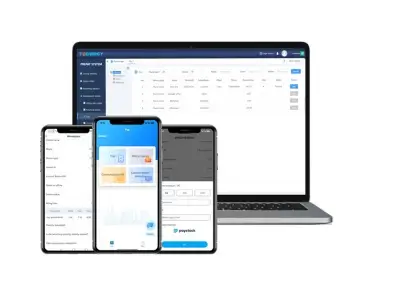
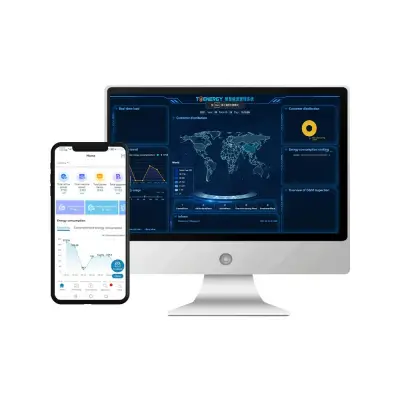
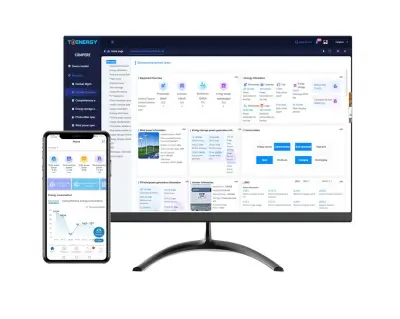
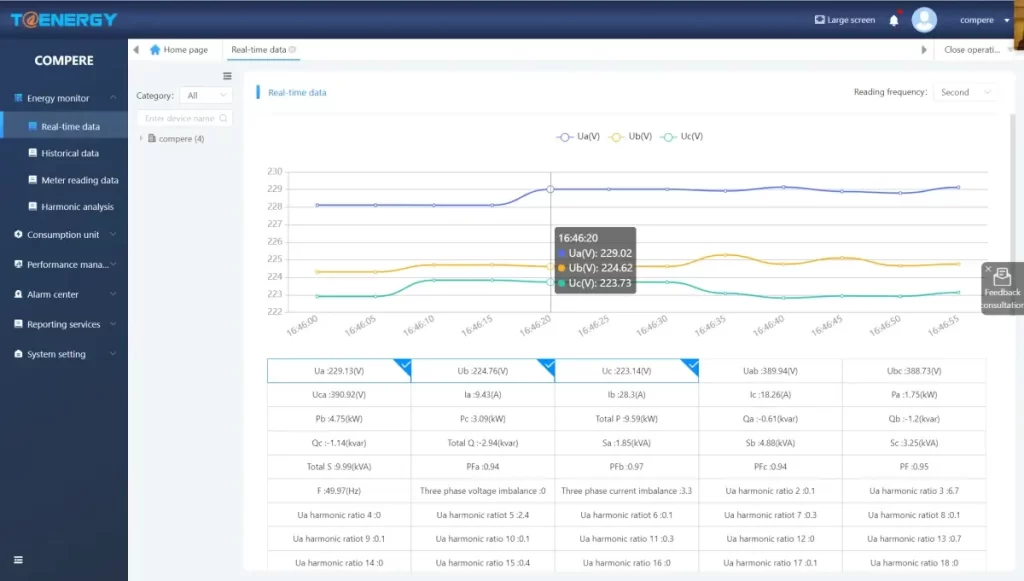
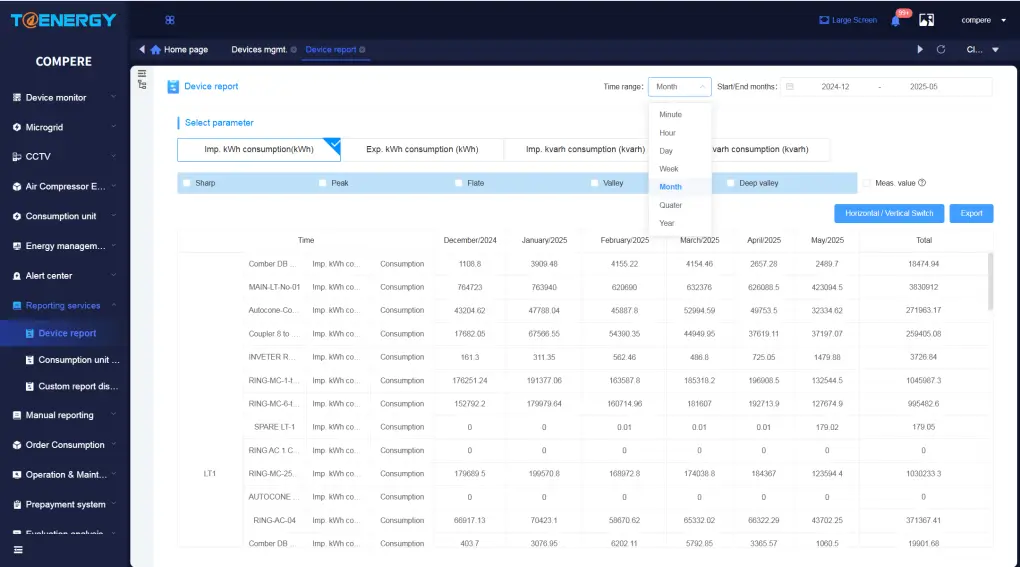
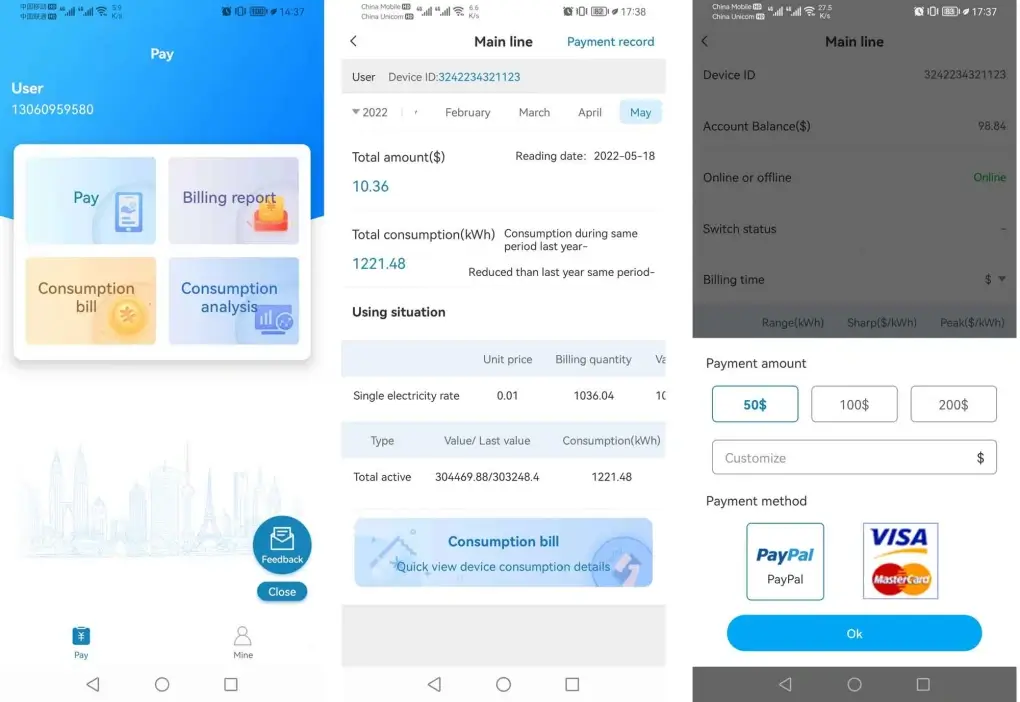
Our WiFi energy meters not only provide raw data, but more importantly, this data is transformed into intuitive and actionable insights within the energy management system or cloud platform. The following system interface screenshots demonstrate how this is achieved:
Real-time Dashboard: Centrally monitor the power consumption status of all sites.
Energy Consumption Comparison Report: Compare power consumption differences across different areas or time periods to identify energy-saving potential.
⭐Advantages of WiFi Energy Meters
Easy System Setup: No complex communication wiring is required; simply connect to the existing Wi-Fi network to immediately start feeding data into the cloud system.
Energy Saving Management: By analyzing energy consumption data through smart meters, users can develop more scientific electricity usage plans.
Remote Maintenance: Operators or property management companies can access and centrally manage all deployed meters via the EMS/Cloud Dashboard, which significantly reduces manual on-site inspection costs and improves operational efficiency.
Multi-scenario Applicability: Suitable for various environments including homes, apartments, office buildings, factories, and commercial complexes.
🏠Application of WiFi Energy Meters in Smart Living
In smart home systems, WiFi energy meters are not only electricity monitoring tools but also core nodes in energy management.For example:
In smart homes, prepaid wifi energy meters can be linked with smart sockets and lighting systems to achieve automatic energy-saving control;
In factories or industrial parks, they are fully integrated with dedicated Energy Management Systems (EMS). This integration allows for precise zoned energy consumption statistics, load management, and systematic energy-saving optimization across the entire facility.
Through these intelligent applications, smart meters help users truly achieve “data-driven energy saving.”
🔗 Architecture Analysis: The Position of WiFi Energy Meters In the Energy System
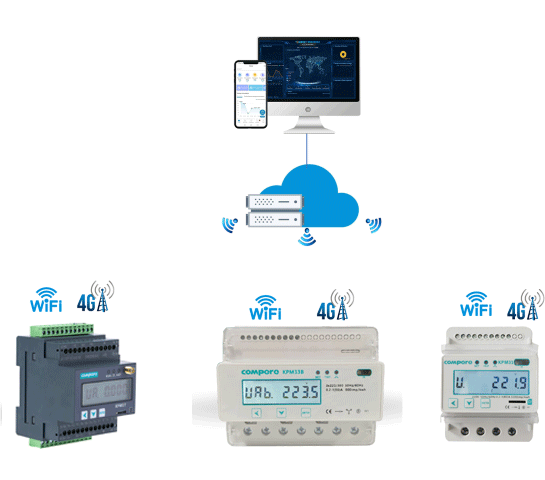
To better understand how WiFi meters transform data flow into management efficiency, we provide the following network topology diagram. This diagram clearly illustrates the complete data link from the device (energy meter) to data transmission (WiFi), and then to cloud processing (platform/EMS).
It is this simple and efficient wireless architecture that ensures data real-time performance and ease of system integration.
4 FAQ About WiFi Energy Meters
What is a WiFi energy meter? How does it differ from a traditional meter?
A: A WiFi meter is a smart meter based on IoT technology. It has a built-in WiFi communication module that automatically transmits electricity consumption data to a cloud platform or the user’s mobile app in real time. The main differences from a traditional meter are:
1. Real-time monitoring: Users can view data such as electricity consumption, power consumption, and electricity costs at any time. Traditional meters require manual data recording.
2. Remote management: Supports remote control of circuit switches for energy-saving regulation.
3. Data analysis: Provides electricity trend analysis and abnormal alarms (such as leakage and overload) to help optimize electricity usage habits.
What conditions are required to install and use a WiFi energy meter?
A: Only three conditions need to be met:
1. Home WiFi network: The meter needs to be connected to a 2.4GHz WiFi band (currently the most compatible band for mainstream devices);
2. Mobile app: Compatible manufacturer application;
3. Circuit compatibility: It is recommended that a professional electrician install the meter to ensure it matches the household voltage (220V/110V).
⚠️ Note: For older meter boxes, ensure there is sufficient space to install the module.
Is the data from a WiFi energy meter secure? Will it leak my privacy?
A: Reputable brand WiFi energy meters employ multiple security measures:
1. Data transmission encryption: Uses TLS/SSL protocol to protect cloud communication;
2. Local storage isolation: Electricity data is only accessible to authorized users and will not be shared with third parties by the manufacturer;
3. Privacy compliance: Complies with GDPR/Cybersecurity Law and other data protection regulations.
Can a WiFi energy meter help me save electricity? How does it achieve energy saving?
A: Yes, it directly or indirectly reduces electricity bills through the following functions:
1. Electricity usage visualization: Real-time display of high-power-consuming devices (such as air conditioners and water heaters) to encourage behavioral adjustments;
2. Peak and off-peak electricity price statistics: Automatically identifies low-price periods and recommends efficient electricity usage plans;
3. Smart scene linkage: Links with smart sockets and sets “away mode” to automatically cut off power to standby appliances.
4. According to user feedback, reasonable use can save an average of 10%-20% on monthly electricity bills.
Conclusion
WiFi energy meters are not only metering tools, but also important data entry points for smart energy management. By introducing smart meters and connecting them to energy management systems and cloud platform servers, users can achieve real-time monitoring, data-driven energy conservation and emission reduction, and safe electricity use, truly ushering in a new era of smart and green electricity use.